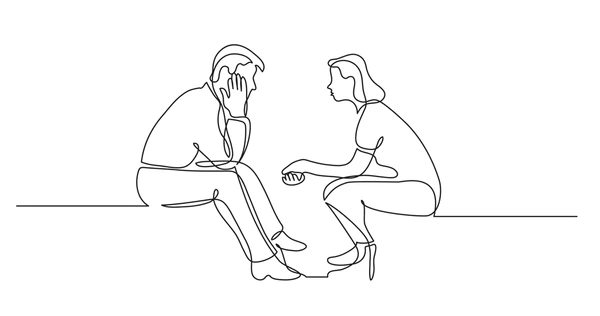
Category: couple

  • How to Manage Expectations in an Unmarried Relationship

    managing expectations AG.OG..SunoG...

    How to Manage Expectations in an Unmarried Relationship

    Introduction

    Having expectations from your partner is natural. However, when expectations become too high, they can create serious challenges in any relationship. A relationship between two people requires time, energy, effort, and emotions to grow. Managing expectations becomes even more difficult in relationships without formal commitment.

    Unfulfilled expectations can lead to misunderstandings, disappointment, or emotional turmoil, ultimately affecting the quality of the bond. Therefore, balancing expectations realistically helps maintain harmony and emotional security.


    What Do We Mean by “Expectations in a Relationship”?

    Our silent beliefs, personal standards, past experiences, social influence, and ideas about how a partner should behave, treat us, express love, or communicate—all form expectations.

    It is human nature to expect, and it is perfectly normal.
    The real challenge begins when expectations cannot be fulfilled due to differences in communication styles, love languages, unrealistic standards, or lack of clarity. These gaps often lead to insecurity or emotional distance, especially in non-committed relationships where insecurity already has more space to grow.


    Common Expectations in Non-Committed Relationships

    1. Differences in understanding about commitment or exclusivity.
    2. Expectations about availability, communication, and possessiveness.
    3. Doubts about long-term stability, creating emotional pressure and insecurity.
    4. Self-centric behaviour, which often leads to emotional conflicts.
    5. Social validation—partners may or may not feel comfortable disclosing the relationship.
    6. Financial contribution to daily expenses, which may become a point of friction.

    Why and How Expectations Cause Conflict

    Cultural norms, social pressures, and gender roles shape how people view relationships. The problem is not the expectation itself—expecting is natural—but the lack of communication around it.

    When expectations remain unspoken or unclear, they lead to disappointment, resentment, self-doubt, or misaligned priorities. This disturbs the peace and harmony of the relationship.


    Managing Expectations in an Unmarried Relationship

    1. Communicate openly

    Honest conversations about needs, boundaries, hopes, future plans, and expectations build transparency. This helps avoid misunderstandings and gives clarity about emotional investment.

    2. Be honest and realistic with yourself

    Avoid creating illusions. Be truthful about what you want and expect, while setting aside insecurities. Realism lays the foundation for a healthy future.

    3. Avoid comparing your relationship with others

    Everyone has different perspectives, priorities, and goals. Comparison creates dissatisfaction and unrealistic pressure. Focus on your bond, your needs, and what works for both of you.

    4. Set healthy boundaries

    Healthy boundaries promote mutual respect. They protect emotional space and prevent unwanted triggers, no matter what type of relationship it is.

    5. Welcome flexibility

    Change is constant. Circumstances, priorities, and emotional needs evolve. Accepting change together allows the relationship to breathe and grow stronger.

    6. Practice active listening

    Understand your partner’s viewpoint without judgement. Listening with empathy helps identify the root of disagreements and turns conflicts into opportunities for growth.

    7. Focus on the present

    The past is gone, and the future is uncertain. Anxiety is common, especially in unmarried relationships. Focus on building a beautiful today—healthy actions today create a healthier tomorrow.

    8. Practice gratitude

    It’s human to want more, but gratitude brings peace. Be thankful for your partner, your journey, and the memories you are creating. Appreciate the imperfections—they make the bond real.

    9. Understand that managing expectations does not mean lowering standards

    It means understanding that your partner is human, with their own needs, desires, and flaws. Acceptance brings peace; rigidity brings pressure. Relationships thrive when both partners allow space for growth, individuality, and mistakes.


    What Happens When Expectations Remain Unmet?

    Sometimes unmet expectations reveal deeper incompatibility rather than a communication issue. This can lead to frustration, emotional exhaustion, or toxicity. Understanding the root cause and moving forward becomes essential. Life is too short to carry grudges—clarity is healthier than staying stuck.


    Conclusion

    Managing expectations in an unmarried relationship is an act of balance. It’s about harmonizing love and logic, dreams and reality, individuality and togetherness.

    When both partners put in effort and approach challenges with maturity, honesty, empathy, and acceptance, expectations become pathways toward a healthier, stronger bond.

    Relationships thrive on mutual growth, not pressure.

  • ग़ैर-विवाहित रिश्ते में अपेक्षाओं को कैसे संभालें

    managing expectations AG.OG..SunoG...

    ग़ैर-विवाहित रिश्ते में अपेक्षाओं को कैसे संभालें

    परिचय

    अपने साथी से उम्मीदें रखना स्वाभाविक है। लेकिन जब अपेक्षाएँ बहुत अधिक हो जाती हैं, तो वे किसी भी रिश्ते में तनाव पैदा कर सकती हैं। दो लोगों का रिश्ता समय, ऊर्जा, प्रयास और भावनाओं की मांग करता है।

    ग़ैर-विवाहित या बिना कमिटमेंट वाले रिश्तों में अपेक्षाओं को संभालना और भी चुनौतीपूर्ण हो जाता है। अधूरी अपेक्षाएँ अक्सर गलतफहमी, निराशा और भावनात्मक अस्थिरता का कारण बनती हैं, जिससे रिश्ते की गुणवत्ता प्रभावित होती है।

    इसलिए, वास्तविक और संतुलित अपेक्षाएँ बनाए रखना रिश्ते में शांति और भावनात्मक सुरक्षा बनाए रखने में मदद करता है।


    “रिश्ते में अपेक्षाओं” का क्या अर्थ है?

    हमारे मन में बनी चुपचाप धारणा, व्यक्तिगत मानक, पिछले अनुभव, समाज का प्रभाव या हमारे आसपास के लोगों की सोच—यह सब तय करता है कि हम अपने साथी से कैसे व्यवहार, प्यार, देखभाल और संवाद की अपेक्षा रखते हैं।

    अपेक्षा रखना स्वाभाविक है।
    लेकिन चुनौती तब पैदा होती है जब ये अपेक्षाएँ पूरी नहीं हो पातीं—या तो अलग प्रेम भाषा के कारण, गलतफहमियों के कारण, अवास्तविक उम्मीदों के कारण या बहुत अधिक अपेक्षा रखने के कारण।

    विशेष रूप से गैर-विवाहित रिश्तों में, जहाँ पहले ही सुरक्षा कम महसूस होती है, ये unmet expectations दूरी और असुरक्षा को बढ़ा सकती हैं।


    ग़ैर-विवाहित रिश्तों में सबसे आम अपेक्षाएँ

    1. कमिटमेंट और एक्सक्लूसिविटी को लेकर पार्टनर्स की अलग राय।
    2. बात करने की उपलब्धता और पार्टनर पर अधिकार या पॉज़ेसिवनेस।
    3. रिश्ते के भविष्य पर सवाल उठाने से आने वाला भावनात्मक दबाव और असुरक्षा।
    4. रिश्ते में स्व-केंद्रित रवैया, जो मानसिक तनाव का कारण बनता है।
    5. रिश्ते को सार्वजनिक रूप से स्वीकार करने या छुपाने को लेकर असमंजस।
    6. दैनिक खर्चों में आर्थिक योगदान को लेकर friction।

    अपेक्षाएँ विवाद का कारण कैसे बनती हैं?

    संस्कृति, समाज और gender roles मिलकर यह तय करते हैं कि लोग रिश्तों को कैसे देखते हैं।

    समस्या अपेक्षा रखना नहीं है, बल्कि अपेक्षाओं पर बातचीत न करना है।
    जब बातें स्पष्ट नहीं होतीं या बोलकर नहीं बताई जातीं, तब:

    • निराशा
    • नाराज़गी
    • आत्म-संदेह
    • गलतफहमी
    • असंतुलित भावनाएँ

    जैसी समस्याएँ बढ़ने लगती हैं, जिससे रिश्ते की शांति और स्थिरता प्रभावित होती है।


    ग़ैर-विवाहित रिश्ते में अपेक्षाओं को कैसे संभालें?

    1. खुलकर और ईमानदारी से संवाद करें

    अपनी ज़रूरतों, सीमाओं, उम्मीदों, भविष्य की योजनाओं और भावनाओं के बारे में साफ बात करें। पारदर्शिता गलतफहमियों को रोकती है।

    2. खुद के प्रति भी ईमानदार और वास्तविक रहें

    ख्यालों की दुनिया बनाकर जीना नुकसानदायक है। अपने दिल की सच्चाई स्वीकारें और असुरक्षाओं को एक तरफ रखें।

    3. दूसरों से तुलना न करें

    हर रिश्ता अलग होता है। दूसरों से तुलना आपके रिश्ते में तनाव और असंतोष ही लाती है। अपने रिश्ते पर ध्यान दें।

    4. स्वस्थ सीमाएँ तय करें

    हेल्दी boundaries आपसी सम्मान बढ़ाती हैं और friction को कम करती हैं।

    5. संबंध में लचीलापन अपनाएँ

    परिस्थितियाँ, प्राथमिकताएँ और भावनाएँ बदलती रहती हैं। इन परिवर्तनों को स्वीकार करने से रिश्ता मजबूत होता है।

    6. सक्रिय रूप से सुनें और समझें

    अपने साथी की बात बिना जजमेंट के सुनें। इससे संघर्ष के कारण समझ में आते हैं और समाधान निकलता है।

    7. वर्तमान पर ध्यान दें

    अतीत बीत चुका है और भविष्य अनिश्चित है। इसलिए आज को सुंदर बनाएं। आज बोए गए अच्छे बीज कल अच्छे फल देंगे।

    8. कृतज्ञता का भाव विकसित करें

    अधिक चाहना स्वाभाविक है, लेकिन जो है उसके लिए शुक्रगुज़ार होना शांति देता है। अपने साथी और रिश्ते की खूबियों की कद्र करें।

    9. अपेक्षाएँ संभालना मतलब मानक गिराना नहीं

    इसका अर्थ है—अपने साथी को इंसान मानना, उसकी कमियों और ज़रूरतों के साथ।
    स्वीकार्यता शांति लाती है, जबकि कठोर अपेक्षाएँ दबाव बढ़ाती हैं।


    जब अपेक्षाएँ पूरी नहीं होतीं तो क्या होता है?

    कई बार अधूरी अपेक्षाएँ यह दिखाती हैं कि रिश्ते में मूलभूत असंगति है।
    इससे:

    • तनाव
    • झगड़े
    • भावनात्मक थकावट
    • दूरी
    • या toxicity

    आ सकती है।
    इसलिए कारण समझें, बात करें और आगे बढ़ें। जीवन बहुत छोटा है grudges लेकर जीने के लिए।


    निष्कर्ष

    ग़ैर-विवाहित रिश्तों में अपेक्षाओं को संभालना एक संतुलन की कला है—प्यार और समझदारी, सपनों और वास्तविकता, individuality और togetherness के बीच।

    जब दोनों साथी ईमानदारी, समझ, परिपक्वता और प्रयास के साथ रिश्ते को संभालते हैं, तो अपेक्षाएँ दूरी नहीं बल्कि गहराई बनाने का माध्यम बन जाती हैं।

    रिश्ते mutual efforts से ही पनपते हैं।

  • अपने साथी की प्रेम भाषा को समझना

    love language AG.OG..SunoG...

    अपने साथी की प्रेम भाषा को समझना

    परिचय

    प्यार और विश्वास किसी भी रिश्ते के दो सबसे महत्वपूर्ण स्तंभ हैं। हर व्यक्ति की प्रेम भाषा अलग होती है, और जब यह समझ नहीं आती, तो रिश्ते में भ्रम और भावनात्मक दूरी पैदा हो सकती है। इसलिए यह कहना गलत नहीं होगा कि अपने साथी की प्रेम भाषा को समझना मानसिक और भावनात्मक जुड़ाव के लिए बेहद ज़रूरी है। यह संवाद को बेहतर बनाता है, समझ को गहरा करता है और एक लंबे समय तक टिकने वाले स्वस्थ रिश्ते को पोषित करता है।


    प्रेम भाषा से हमारा क्या मतलब है?

    प्रेम भाषा वह तरीका है जिससे लोग अपने साथी के प्रति प्यार को व्यक्त करते हैं, महसूस करते हैं और उसका प्रत्युत्तर देते हैं।
    डॉ. गैरी चैपमैन के अनुसार, मुख्यतः पांच प्रकार की प्रेम भाषाएं होती हैं:

    1. गुणवत्तापूर्ण समय और समर्पण:
      ऐसे लोग अपने साथी के साथ समय बिताना और हर पल को पूरे ध्यान के साथ साझा करना पसंद करते हैं।

    2. प्रशंसा के शब्द (Words of Affirmation):
      ऐसे लोग प्यार को शब्दों से व्यक्त करते हैं — जैसे तारीफ़, सराहना और हौसला-अफ़ज़ाई।

    3. सेवा के कार्य (Acts of Service):
      ऐसे साथी अपने प्रेम को कार्यों के ज़रिए दिखाते हैं — एक-दूसरे की मदद करना, ज़िम्मेदारियाँ साझा करना या जीवन को आसान बनाना।

    4. उपहारों का आदान-प्रदान (Exchange of Gifts):
      ऐसे लोग उपहारों के माध्यम से प्यार और देखभाल व्यक्त करते हैं, चाहे उपहार महँगा हो या छोटा लेकिन अर्थपूर्ण।

    5. शारीरिक स्पर्श (Physical Contact):
      हाथ पकड़ना, गले लगाना, चुंबन या कोमल स्पर्श — इनके माध्यम से प्यार और अपनापन व्यक्त किया जाता है।

    अक्सर, किसी व्यक्ति की एक या दो प्रमुख प्रेम भाषाएँ होती हैं। उन्हें समझना और उसी के अनुसार प्यार जताना रिश्ते को और अधिक गहरा, मज़बूत और संतोषजनक बनाता है।


    अपने साथी की प्रेम भाषा जानना क्यों ज़रूरी है

    जब दोनों की प्रेम भाषाएं अलग होती हैं और मेल नहीं खातीं, तो संवाद में कमी आती है और साथी खुद को अनदेखा या अस्वीकारित महसूस कर सकता है — भले ही प्यार हो, लेकिन सही तरह से व्यक्त न हुआ हो।
    इसीलिए यह समझना महत्वपूर्ण है कि आपका साथी प्यार कैसे देता है, उसे कैसे महसूस करता है और कैसे उसे लौटाता है।
    प्रेम भाषा को समझना भावनात्मक सुरक्षा पैदा करता है, भरोसा बढ़ाता है और झगड़ों या गलतफहमियों को रोकता है।


    गुणवत्तापूर्ण समय और समर्पण

    जिन लोगों की प्रेम भाषा गुणवत्तापूर्ण समय है, उनके लिए पूरा ध्यान और उपस्थिति सबसे महत्वपूर्ण है।
    वे अपने साथी के साथ समय बिताने में खुशी महसूस करते हैं — जैसे गहरी बातचीत, टहलना, साथ में खाना बनाना या किसी गतिविधि में शामिल होना।
    वे नेत्र संपर्क और सक्रिय सुनना पसंद करते हैं, और उन्हें तब बुरा लगता है जब साथी मोबाइल में व्यस्त हो या योजनाएँ रद्द कर दे।


    प्रशंसा के शब्द (Words of Affirmation)

    ऐसे लोगों के लिए मौखिक संवाद बहुत मायने रखता है। तारीफ़, प्रोत्साहन और मीठे शब्द उन्हें खास महसूस कराते हैं।
    वे हस्तलिखित नोट्स या प्यारे संदेशों को संजो कर रखते हैं। ऐसे लोग नियमित रूप से आभार व्यक्त करते हैं और सकारात्मक भाषा पसंद करते हैं।
    वे आलोचना या व्यंग्य से आहत हो सकते हैं।


    सेवा के कार्य (Acts of Service)

    इन लोगों के लिए कर्म शब्दों से अधिक बोलते हैं
    जब उनका साथी मदद करता है या ज़िम्मेदारी साझा करता है, तो वे खुद को प्यार और सम्मानित महसूस करते हैं।
    वे छोटी-छोटी बातों पर ध्यान देते हैं जो जीवन को आसान बना सकती हैं, और अपने वादों को निभाने में भरोसेमंद होते हैं।


    उपहारों का आदान-प्रदान (Exchange of Gifts)

    जिन लोगों की प्रेम भाषा उपहार देना है, उनके लिए यह मूल्य का नहीं, भावना का विषय होता है।
    एक छोटा सा फूल, हस्तलिखित नोट या व्यक्तिगत रूप से अर्थपूर्ण वस्तु — सब कुछ उनके लिए प्यार का प्रतीक होता है।
    वे विशेष तारीखें याद रखते हैं और विचारशील उपहारों से अपना स्नेह व्यक्त करते हैं।


    शारीरिक स्पर्श (Physical Contact)

    ऐसे लोगों के लिए एक गर्मजोशी भरा आलिंगन, हाथ थामना या सिर पर प्यार से हाथ फेरना — बहुत मायने रखता है।
    स्पर्श से उन्हें सुकून, आत्मीयता और आश्वासन का एहसास होता है।
    लंबे समय तक दूरी या शारीरिक अनुपस्थिति उन्हें भावनात्मक रूप से कमजोर कर सकती है।


    अपने साथी की प्रेम भाषा कैसे पहचानें

    1. ध्यानपूर्वक निरीक्षण करें:
      लोग अक्सर वैसे ही प्यार जताते हैं जैसा वे पाना चाहते हैं।

    2. शिकायतों पर ध्यान दें:
      शिकायतें अक्सर इस बात का संकेत होती हैं कि व्यक्ति किस चीज़ की कमी महसूस कर रहा है।

    3. अनुरोधों को सुनें:
      व्यक्ति जो बार-बार माँगता है, वही उसकी प्रेम भाषा का संकेत देता है।

    4. लव लैंग्वेज क्विज़ लें:
      इसे साथ में करने से आपसी समझ और संवाद दोनों बेहतर होते हैं।


    रोज़ एक-दूसरे की प्रेम भाषा बोलें

    अपने साथी की प्रेम भाषा को समझना और उसी में संवाद करना रिश्ते को मज़बूत बनाने का सबसे प्रभावी तरीका है।
    शुरुआत में थोड़ा प्रयास करना पड़ सकता है, लेकिन जैसा कहा जाता है — “कर्म शब्दों से अधिक बोलते हैं।”
    जब आप अपने साथी की प्रेम भाषा में प्यार जताना शुरू करते हैं, तो रिश्ता प्यार, देखभाल और विश्वास से भर जाता है।


    आपसी समझ की शक्ति

    लगातार प्रयास और सहानुभूति के साथ, आप देखेंगे कि छोटी-छोटी बातें अधिक मायने रखने लगती हैं।
    संवाद बेहतर होता है, झगड़े कम होते हैं, और रिश्ता भावनात्मक रूप से परिपक्व व स्थिर हो जाता है — जिसमें गहराई, प्रेम और भरोसा होता है।


    निष्कर्ष

    हर व्यक्ति प्यार को महसूस करने, व्यक्त करने और लौटाने का अलग तरीका रखता है।
    इन भिन्नताओं को समझना रिश्ते को पूरी तरह बदल सकता है — उसे प्यार, जोश, देखभाल और विश्वास से भर सकता है।
    प्यार केवल बड़े इशारों में नहीं, बल्कि रोज़मर्रा के छोटे पलों में बसता है — जहाँ उपस्थिति, देखभाल और जुड़ाव रिश्ते की जड़ें गहरी करते हैं।
    जब प्यार सही भाषा में व्यक्त होता है, तो वह केवल एक भावना नहीं रह जाता, बल्कि एक साझा अनुभव बन जाता है — समझ और विकास का।

  • Understanding Your Partner’s Love Language

    love language AG.OG..SunoG...

    Understanding Your Partner’s Love Language

    Introduction

    Love and trust are the two key ingredients of any relationship. The love language of both partners may be different, which may lead to confusion and emotional disturbances. So, it wouldn’t be wrong to say that understanding the love language of your partner is essential to connect mentally and emotionally. It improves communication, nurtures understanding, and builds a long-lasting, healthy bond between the two.


    What Do We Mean by Love Language?

    Love languages are simply the ways people express, feel, and reciprocate their love with their partners. According to Dr. Gary Chapman, there are five primary types of love languages:

    1. Quality Time and Devotion:
      Here, couples enjoy spending time together and sharing moments with undivided attention.

    2. Words of Affirmation:
      Couples express and reciprocate love primarily through praise, appreciation, and encouragement.

    3. Acts of Service:
      Partners support and help each other in professional or personal activities.

    4. Exchange of Gifts:
      Love and care are expressed through the act of giving and receiving thoughtful gifts.

    5. Physical Contact:
      Love and care are communicated through gestures like holding hands, hugs, touch, and physical closeness.

    Usually, a person has one or two dominant love languages. Understanding and reciprocating them nourishes the emotional bond and leads to a healthier, stronger, and more fulfilling relationship.


    Why Knowing Your Partner’s Love Language Matters

    When love languages differ and don’t align, communication breaks down, and partners may feel unappreciated or unloved — even when love exists. That’s why understanding how your partner gives, perceives, and reciprocates love is crucial.
    Recognizing love languages creates emotional safety, builds trust, and prevents conflicts or misunderstandings.


    Quality Time and Devotion

    For those who value quality time, undivided attention is the key to their heart. They feel loved through shared activities like deep conversations, long walks, cooking together, or simply being present. Eye contact, active listening, and shared experiences mean everything to them.
    They dislike distractions like phone calls, multitasking, or last-minute cancellations.


    Words of Affirmation

    For people whose love language is words of affirmation, verbal communication matters most. Compliments, appreciation, and kind words make them feel seen and valued.
    They treasure handwritten notes or thoughtful messages and express gratitude often. They prefer uplifting words and dislike criticism or sarcasm.


    Acts of Service

    For those who express love through acts of service, actions speak louder than words. Helping each other with daily tasks or responsibilities makes them feel loved and respected.
    They notice small efforts that make life easier and take promises seriously. Sharing responsibilities is their way of showing love.


    Exchange of Gifts

    For people who express love through gift-giving, it’s not about material value — it’s about thoughtfulness.
    A meaningful gift — a flower, a handwritten note, or a personalized token — shows love and care. They often remember special dates and express affection through thoughtful presents.


    Physical Contact

    For those who value physical touch, gestures like hugs, holding hands, or a gentle pat bring comfort and reassurance.
    Such closeness creates warmth and emotional security. Long periods of distance or withdrawal can make them feel unloved or disconnected.


    How to Discover Your Partner’s Love Language

    1. Observe Closely:
      People naturally express love the way they wish to receive it.

    2. Listen to Complaints:
      Complaints often reveal unmet emotional needs — and, therefore, love languages.

    3. Notice Requests:
      What a person asks for frequently reflects their love language.

    4. Take a Love Language Quiz Together:
      It’s a fun and insightful way to open communication and deepen understanding.


    Speak Each Other’s Love Language Daily

    Understanding and reciprocating your partner’s love language is a powerful tool to grow and strengthen your bond.
    It may require conscious effort, but as the saying goes — “Actions speak louder than words.” Once you start communicating in your partner’s love language, your relationship will be filled with greater love, care, and trust.


    The Power of Mutual Understanding

    With continuous effort and empathy, small gestures become meaningful, communication improves, and conflicts decrease.
    This builds an emotionally intelligent and deeply fulfilling relationship rooted in love, care, and trust.


    Conclusion

    Every person feels, expresses, and reciprocates love differently. Understanding these differences can transform your relationship — filling it with love, passion, care, and trust.
    Love is not just about grand gestures but about everyday moments of care and connection that deepen emotional roots.
    When expressed in the right language, love becomes more than a feeling — it becomes a shared experience of understanding and growth.

  • कानूनी बंधनों के बिना स्थायी विश्वास कैसे बनाएं

    कानूनी बंधनों के बिना स्थायी विश्वास कैसे बनाएं

    परिचय

    जब भी हम किसी रिश्ते की बात करते हैं, तो अनजाने में हम भरोसे की ही बात करते हैं।
    रिश्ता चाहे प्रतिबद्ध हो या न हो, उसे जोड़े रखता है एक अदृश्य धागाभरोसा

    आज की दुनिया में बहुत से जोड़े बिना किसी कानूनी या धार्मिक बंधन के साथ रहते हैं। उन्हें जो जोड़े रखता है, वह है भरोसा, जो हर कठिन परिस्थिति में रिश्ते को थामे रखता है।


    भरोसा क्यों कानूनी रिश्तों से ज़्यादा अहम है

    भरोसा खरीदा या साइन किया नहीं जा सकता। यह किसी रस्म से नहीं आता। यह समय के साथ प्यार, ईमानदारी, और भावनात्मक परिपक्वता से बनता है।

    जब दो लोग एक-दूसरे को बिना किसी बाध्यता के चुनते हैं, तो रिश्ता स्वतंत्र रूप से सांस लेता है। वे सुरक्षित महसूस करते हैं क्योंकि वे एक-दूसरे को सच्चे रूप में स्वीकार करते हैं, न कि किसी स्वार्थ या दबाव के तहत।


    बिना शादी के रिश्ते में भरोसे को समझना

    ऐसे रिश्तों में भरोसा सिर्फ सुरक्षा का एहसास नहीं होता — इसमें कई परतें होती हैं:

    1. भावनात्मक भरोसा: खुद को बिना जज किए व्यक्त करने की स्वतंत्रता।
    2. ज़िम्मेदारी पर भरोसा: यह विश्वास कि आपका साथी अपने वादों को निभाएगा।
    3. उपस्थिति पर भरोसा: यह जानना कि आपका साथी हर स्थिति में आपके साथ रहेगा।

    भरोसा कैसे विकसित करें

    1. ईमानदार और स्पष्ट संवाद करें
      सच बोलें, ध्यान से सुनें और झूठ से बचें — यह रिश्ते की नींव को मज़बूत करता है।
    2. लगातार भरोसेमंद रहें
      छोटे-छोटे वादे निभाना भरोसे की सबसे बड़ी निशानी है। इससे साथी को लगता है, “मैं तुम पर भरोसा कर सकता हूँ।”
    3. सीमाओं और निजीपन का सम्मान करें
      हर व्यक्ति को अपना समय और निजी स्पेस चाहिए। इसे समझना और सम्मान देना रिश्ते में सुरक्षा और निष्ठा को बढ़ाता है।
    4. भावनात्मक रूप से उपलब्ध रहें
      मुश्किल समय में साथी का सहारा बनें। यह जुड़ाव को गहरा करता है।
    5. मतभेदों को परिपक्वता से सुलझाएं
      तकरार की बजाय संवाद करें।
      उदाहरण: “तुम कभी मुझे कॉल नहीं करते” की जगह “मुझे बुरा लगा जब तुमने कॉल नहीं किया” कहें।
    6. निरंतरता बनाए रखें
      भरोसा धीरे-धीरे बनता है — छोटी बातों में भरोसा बड़ी बातों की नींव रखता है।
    7. खुलकर बात करें
      डर या असुरक्षा छिपाने की बजाय उन्हें साझा करें। यह भावनात्मक अंतरंगता को बढ़ाता है।
    8. ईर्ष्या से बचें
      अपने साथी की सफलता का जश्न मनाएं। इससे संदेश जाता है कि “तुम्हारी तरक्की हमारे रिश्ते को नहीं डिगा सकती।”
    9. संशय खुलकर व्यक्त करें
      संदेहों को समय रहते साझा करें। स्पष्टता भरोसे को मज़बूत बनाती है।
    10. वफादार रहें — अपनी इच्छा से
      सच्ची वफादारी एक चयन है, बाध्यता नहीं। जब कोई व्यक्ति अपनी इच्छा से वफादार रहता है, तो यह प्रेम और सम्मान की सबसे सुंदर अभिव्यक्ति होती है।

    सामान्य चुनौतियाँ और उनका समाधान

    1. लंबी अवधि की सोच पर बात करें – स्पष्टता असुरक्षा को कम करती है।
    2. लोगों की बातों पर ध्यान न दें – “कुछ तो लोग कहेंगे।” दूसरों की राय आपके रिश्ते का भविष्य तय न करे।
    3. पारदर्शिता बनाए रखें – ऑनलाइन और वास्तविक जीवन दोनों में।
    4. लगातार संवाद बनाए रखें – नियमित बातचीत और भावनात्मक जुड़ाव भरोसे को मज़बूत रखता है।

    निष्कर्ष

    बिना कानूनी बंधन का भरोसा सबसे सच्चे प्रेम का प्रतीक है।
    यह बाध्यता नहीं, बल्कि चयन है।
    जब दो लोग हर दिन एक-दूसरे को फिर से चुनते हैं, तो वही सच्चे भरोसे और प्रेम का अर्थ है।

  • How to Build Lasting Trust Without Legal Ties

    How to Build Lasting Trust Without Legal Ties

    Introduction

    Whenever we talk about a relationship, we subconsciously talk about trust. No matter if the relationship is committed or not, it exists because of an invisible thread — trust — that holds it together.

    In today’s world, many couples choose to live together and share life deeply without any formal rituals or legal paperwork. What binds them is not law or social pressure, but the trust that keeps them connected through all the ups and downs life brings.


    Why Trust Matters More Than Legal Bonds

    Trust isn’t something you can buy, sign, or ritualize. It cannot be formed overnight; it is built slowly over time through consistent acts of love, honesty, transparency, and emotional maturity.

    When partners choose each other out of trust and not obligation, the relationship breathes freely. They feel secure not because of a legal tie, but because they are valued for their true selves, not for selfish reasons or external validation.


    Understanding Trust in an Unmarried Relationship

    Trust in such relationships goes beyond the usual sense of safety or security. It has multiple layers:

    1. Emotional trust: Feeling safe to express and share your emotions without judgment.
    2. Trust in responsibility: Believing that your partner will keep their word and act maturely.
    3. Trust in presence: Knowing your partner will stand by you through the highs and lows, helping the relationship grow positively.

    How to Develop This Trust

    1. Open and Honest Communication
      Speak clearly, share truthfully, and listen calmly. Avoid lies—they may seem small but can break the invisible thread of trust.
    2. Consistency and Keeping Promises
      Small, consistent actions speak louder than words. Keeping your word builds dependability, silently saying, “You can count on me.”
    3. Respect Boundaries and Privacy
      Give your partner the freedom to have personal space, friends, and “me time.” Respecting these boundaries fosters loyalty and security.
    4. Be Emotionally Available
      During tough times, be the person your partner can lean on. Emotional support deepens the feeling of connection and reliability.
    5. Handle Conflicts Maturely
      Disagreements are natural. Address them calmly rather than impulsively.
      Instead of saying, “You never care about me,” say, “I felt ignored when you didn’t call.”
    6. Be Consistent
      Trust grows when your partner sees reliability in small matters. This naturally extends to bigger challenges.
    7. Encourage Open Conversations
      Talk about insecurities, fears, and doubts. It invites emotional intimacy and bridges the gap between love and trust.
    8. Avoid Jealousy
      Celebrate each other’s growth. When you support your partner’s achievements, you show that love and trust are stronger than ego.
    9. Express and Clarify Doubts Early
      Discuss your feelings before they pile up. Clarity reduces misunderstandings and builds stronger emotional safety.
    10. Be Loyal — By Choice, Not Obligation
      True loyalty is a choice, not a rule. When someone stays loyal without being bound by law, it’s the purest expression of love and trust.

    Handling Common Challenges

    Unmarried couples may face social or emotional pressure that tests trust. Here’s how to manage them gracefully:

    1. Discuss Long-Term Intentions – Clarity replaces confusion and insecurity.
    2. Ignore Social Judgment – “Kuch toh log kahenge.” Don’t let others decide your happiness.
    3. Maintain Transparency – Be honest in both your real and online lives.
    4. Keep Communication Alive – Regular conversations, emotional check-ins, and shared routines help maintain trust even in long-distance relationships.

    Conclusion

    Trust built without legal ties is one of the purest forms of love.
    It’s born out of choice, not obligation.
    When two people choose each other freely, every new day becomes a renewed commitment — not because they have to, but because they want to.

  • रिश्ते के दर्जे से ज्यादा क्यों ज़रूरी है भावनात्मक परिपक्वता

    रिश्ते के दर्जे से ज्यादा क्यों ज़रूरी है भावनात्मक परिपक्वता

    🌸 रिश्ते के दर्जे से ज़्यादा क्यों ज़रूरी है भावनात्मक परिपक्वता

    (Why Emotional Maturity Matters More Than Relationship Status)


    परिचय (Introduction)

    भावनात्मक परिपक्वता किसी व्यक्ति की वह क्षमता है, जिससे वह अपनी भावनाओं को संभाल सके, विवादों को सुलझा सके और अपने शब्दों व कार्यों की ज़िम्मेदारी ले सके। यह किसी भी रिश्ते को कठिन समय, गलतफहमियों और चुनौतियों के दौरान बनाए रखने में महत्वपूर्ण भूमिका निभाती है। वास्तव में, भावनात्मक परिपक्वता आपके प्रेम की गुणवत्ता को रिश्ते के नाम या दर्जे से कहीं अधिक प्रभावित करती है।
    कई जोड़े सालों से साथ हैं, लेकिन फिर भी भरोसे, संवाद या सहानुभूति से जूझते रहते हैं; वहीं कुछ नए साथी गहरी समझ और सम्मान दिखाते हैं जो उनके रिश्ते को और स्थिर बनाता है।


    भावनात्मक परिपक्वता क्या है? (What Is Emotional Maturity?)

    भावनात्मक परिपक्वता का अर्थ है अपनी भावनाओं को समझना, उन्हें संतुलित तरीके से व्यक्त करना और संभालना। भावनात्मक रूप से परिपक्व व्यक्ति हर स्थिति में सोच-समझकर प्रतिक्रिया देते हैं, न कि आवेग में आकर। वे ईमानदारी और सम्मान के साथ संवाद करते हैं — बिना किसी को ठेस पहुँचाए या किसी प्रकार की चालबाज़ी किए।


    भावनात्मक रूप से परिपक्व व्यक्ति की विशेषताएँ:

    1. वे अपने शब्दों और कार्यों की पूरी ज़िम्मेदारी लेते हैं।
    2. वे ध्यान से और सहानुभूति के साथ सुनते हैं।
    3. वे जानते हैं कब और कैसे माफ़ी माँगनी और माफ़ करना है।
    4. वे ईमानदारी और आत्मविश्वास के साथ बात करते हैं, बिना आरोप या हेरफेर के।
    5. वे धैर्यपूर्वक और तार्किक रूप से विवादों को सुलझाते हैं।
    6. वे आत्म-जागरूकता और व्यक्तिगत विकास को महत्व देते हैं।
    7. वे अपनी स्वतंत्रता और रिश्ते के जुड़ाव के बीच संतुलन बनाए रखते हैं।

    भावनात्मक परिपक्वता कोई जन्मजात गुण नहीं, बल्कि आत्मचिंतन, सहानुभूति और अनुभव से सीखी जाने वाली एक कला है — और इसका उम्र से कोई संबंध नहीं।


    क्यों रिश्ते का दर्जा भावनात्मक स्थिरता की गारंटी नहीं देता

    सीधे शब्दों में कहें तो, भावनात्मक परिपक्वता यह दिखाती है कि आप दूसरों से कितनी प्रभावी तरीके से जुड़ते हैं। यह एक व्यक्तिगत क्षमता है जो चाहे आप किसी रिश्ते में हों या नहीं, विकसित की जा सकती है।

    उदाहरण के तौर पर:

    1. कई विवाहित जोड़े झगड़ों, ईर्ष्या या मनोवैज्ञानिक खेलों से जूझते हैं — यह भावनात्मक अपरिपक्वता का संकेत है।
    2. कोई अविवाहित व्यक्ति जो अपनी सीमाओं और आत्म-सम्मान का ध्यान रखता है, भावनात्मक रूप से परिपक्व कहलाता है।
    3. वहीं कुछ लोग जो रिश्ते में हैं, लगातार ध्यान या मान्यता की तलाश में रहते हैं — यह भावनात्मक निर्भरता है, जो स्वस्थ रिश्ता नहीं कहलाती।

    इसलिए स्पष्ट है कि किसी रिश्ते में होना और भावनात्मक रूप से परिपक्व होना दो अलग बातें हैं।


    कैसे भावनात्मक परिपक्वता रिश्तों को बदल देती है

    जब दोनों साथी भावनात्मक रूप से परिपक्व होते हैं, तो रिश्ता सुरक्षित, स्थिर और संतोषजनक महसूस होता है क्योंकि:

    1. वे कठिन वार्तालापों से नहीं भागते, बल्कि एक-दूसरे को समझने के लिए सुनते हैं और सोच-समझकर कदम उठाते हैं।
    2. भावनात्मक परिपक्वता भय की जगह भरोसे को जन्म देती है, जिससे दोनों साथी खुद को आज़ाद और सुरक्षित महसूस करते हैं।
    3. ऐसा रिश्ता भावनात्मक रूप से सुरक्षित होता है, जहाँ दोनों बिना किसी डर या निर्णय के अपनी ज़रूरतें, भावनाएँ और डर व्यक्त कर सकते हैं — इससे व्यक्तिगत और पेशेवर दोनों स्तरों पर विकास होता है।
    4. परिपक्व जोड़े चुनौतियों का सामना साथ में करते हैं, न कि एक-दूसरे पर दोष डालते हैं। वे ज़रूरत पड़ने पर सलाह या सहायता लेने में संकोच नहीं करते।
    5. वे सीमाओं का सम्मान करते हैं और विवाद के समय भी शांति व सम्मान से संवाद करके समाधान निकालते हैं।

    भावनात्मक परिपक्वता कैसे विकसित करें

    भावनात्मक परिपक्वता एक आजीवन प्रक्रिया है, जो आत्म-जागरूकता और सचेत अभ्यास से विकसित होती है — चाहे आप किसी रिश्ते में हों या नहीं।

    1. अपनी प्रतिक्रियाओं के ट्रिगर्स पहचानें। यही बदलाव की पहली सीढ़ी है।
    2. अपनी भावनाओं को स्पष्टता से व्यक्त करें। ईमानदार और स्पष्ट संवाद ही रिश्तों की नींव है।
    3. सहानुभूति और दयालुता का अभ्यास करें। इससे अहंकार आधारित प्रतिक्रियाएँ कम होती हैं और समझ बढ़ती है।
    4. ध्यान और माइंडफुलनेस अपनाएँ। यह आपको शांत और संतुलित बनाए रखता है।
    5. स्वस्थ सीमाएँ तय करें और उनका सम्मान करें। सीमाएँ आत्म-सम्मान और रिश्तों दोनों को मज़बूत करती हैं।
    6. गलतियों से सीखें। पूर्णता नहीं, प्रगति पर ध्यान दें — विकास ही सफलता है।

    क्यों भावनात्मक परिपक्वता को रिश्ते के दर्जे से ज़्यादा प्राथमिकता देनी चाहिए

    एक बेहतर इंसान बनने की शुरुआत खुद के और दूसरों के प्रति सम्मान से होती है। प्यार और सम्मान हमेशा पारस्परिक होते हैं — आप वही पाते हैं जो आप देते हैं।
    सच्चा रिश्ता सामाजिक पहचान या “रिलेशनशिप स्टेटस” से नहीं, बल्कि आत्म-जागरूकता, सम्मान और विकास से बनता है।

    खुद पर ध्यान देना स्वार्थी नहीं है — यह बुद्धिमानी है। भावनात्मक रूप से परिपक्व लोग कठिन समय में स्थिरता लाते हैं, जबकि अपरिपक्वता अच्छी परिस्थितियों में भी अराजकता पैदा कर सकती है।
    आपका रिश्ता समाज को प्रभावित कर सकता है, लेकिन आपकी भावनात्मक स्थिरता आपको भीतर से शांत और संतुष्ट रखेगी।


    निष्कर्ष (Conclusion)

    भावनात्मक परिपक्वता ही वह कला है जो प्यार को साझेदारी में और जुनून को उद्देश्य में बदल देती है। शांत, जागरूक और स्पष्ट संवाद आपकी खुशियों की कुंजी हैं।
    रिश्ते का दर्जा समय के साथ बदल सकता है, लेकिन भावनात्मक परिपक्वता सुनिश्चित करती है कि आप हमेशा प्यार, सम्मान और सराहना के पात्र बने रहें — चाहे आप अकेले हों या किसी रिश्ते में।

  • Why Emotional Maturity Matters More Than Relationship Status

    Why Emotional Maturity Matters More Than Relationship Status

    Why Emotional Maturity Matters More Than Relationship Status

    Introduction

    Emotional maturity is defined by one’s ability to handle emotions, manage conflicts, and take responsibility for their words and actions. It plays a crucial role in sustaining a relationship during times of misunderstanding, challenges, or faded excitement. In fact, emotional maturity shapes the quality of your love far more than any relationship label. Many couples who have been together for years still struggle with trust, communication, or empathy — while some new partners display deep understanding and respect that feel far more stable.


    What Is Emotional Maturity?

    Emotional maturity is the ability to understand, manage, and express emotions in a balanced and healthy way. Emotionally mature individuals respond thoughtfully rather than reacting impulsively. They communicate with honesty and respect — without being hurtful or manipulative.

    Qualities of an Emotionally Mature Person:

    1. They take responsibility for their words and actions.
    2. They are active and empathetic listeners.
    3. They know how and when to apologize and forgive.
    4. They communicate honestly and confidently without manipulation or blame.
    5. They handle conflicts with patience and logic.
    6. They value personal growth and self-awareness.
    7. They maintain independence while nurturing togetherness.

    Emotional maturity is a skill developed intentionally through self-reflection and empathy — and it has nothing to do with age.


    Why Relationship Status Doesn’t Guarantee Emotional Stability

    Emotional maturity reflects how effectively you relate to others. It’s a personal skill that can exist in both committed and single individuals. Relationship status alone doesn’t determine emotional stability. For example:

    1. Married couples may still struggle with fights, jealousy, or manipulation — showing commitment without emotional maturity.
    2. A single person who values boundaries and self-respect can be emotionally mature.
    3. Some partners in relationships constantly seek attention and validation — a sign of emotional dependence rather than a healthy bond.

    In short, being “in a relationship” is very different from being emotionally mature.


    How Emotional Maturity Transforms Relationships

    When both partners are emotionally mature, the relationship feels safe, grounded, and fulfilling because:

    1. They don’t avoid difficult conversations — they listen to understand and act thoughtfully, minimizing misunderstandings.
    2. Emotional maturity replaces fear with trust, allowing both partners to feel free and secure.
    3. It creates an emotionally safe space where both can express their fears, needs, and vulnerabilities without judgment — enabling authentic growth in personal and professional life.
    4. Emotionally mature couples face challenges together rather than blaming or avoiding each other. They seek support when needed to keep their bond strong.
    5. They respect boundaries, communicate calmly during conflicts, and work toward solutions instead of escalating tension.

    How to Develop Emotional Maturity

    Developing emotional maturity is a lifelong journey that grows through self-awareness and conscious practice — regardless of relationship status.

    1. Be aware of your triggers. Awareness is the first step toward positive change.
    2. Express emotions clearly. Communicate your feelings with honesty and clarity.
    3. Practice empathy and kindness. These reduce ego-driven reactions and build understanding.
    4. Stay calm through mindfulness. Meditation and self-reflection help manage emotions.
    5. Set and respect boundaries. Healthy boundaries strengthen relationships and self-respect.
    6. Learn from mistakes. Focus on growth, not perfection — progress matters more than flawlessness.

    Why Emotional Maturity Should Be a Priority Over Relationship Status

    Becoming a better human being begins with respecting yourself and others. Love and respect are mutual — you reap what you sow. True connection grows from emotional awareness, self-respect, and personal development, not from a relationship status or social validation.

    Focusing on yourself before focusing on a label is not selfish — it’s wise. Emotionally mature people bring stability even in challenging times, while emotional immaturity can create chaos even in good times. Your relationship status may impress society, but emotional maturity brings lasting peace, happiness, and self-contentment.


    Conclusion

    It’s emotional maturity that turns love into partnership and passion into purpose. Stay calm, self-aware, and clear in communication — and you’ll find true stability and happiness. Relationship status may change with time, but emotional maturity ensures that you remain loved, respected, and valued — both as an individual and as a partner.

  • अविवाहित रिश्ते में असुरक्षाओं से कैसे निपटें

    अविवाहित रिश्ते में असुरक्षाओं से कैसे निपटें

    💖 अविवाहित रिश्ते में असुरक्षाओं से निपटना

    परिचय (Introduction)

    चाहे कोई अकेला हो या रिश्ते में, विवाहित हो या अविवाहित — हर व्यक्ति के मन में कुछ न कुछ संदेह और असुरक्षाएँ होती हैं। यह बिल्कुल सामान्य है क्योंकि यह मानवीय स्वभाव का हिस्सा है।
    हालांकि, जब रिश्ता औपचारिक या सामाजिक रूप से मान्यता प्राप्त नहीं होता, तो ये असुरक्षाएँ और भी बढ़ सकती हैं। अगर इन्हें समय रहते संभाला न जाए, तो ये एक खूबसूरत रिश्ते की मिठास को धीरे-धीरे खत्म कर सकती हैं।
    सही समय पर समझदारी और संवाद से इन असुरक्षाओं को आसानी से संभाला जा सकता है।


    रिश्तों में असुरक्षाओं को समझना (Understanding Insecurities in Relationships)

    असुरक्षा का होना यह दर्शाता है कि आप अपने साथी की परवाह करते हैं और कहीं न कहीं उन्हें खोने का डर महसूस करते हैं।
    लेकिन यह डर अगर संतुलित न रहे, तो रिश्ते में तनाव और दूरी पैदा कर सकता है।
    असुरक्षा की भावना कई कारणों से उत्पन्न हो सकती है, जैसे:

    1. लंबी अवधि की स्पष्टता की कमी, जिससे मन में सवाल उठते हैं —
      • क्या हम कभी शादी करेंगे?
      • आगे क्या होगा?
      • क्या हमारे परिवार हमें स्वीकार करेंगे?
      • क्या मैं उनके लिए सिर्फ समय बिताने का साधन हूँ?
    2. पिछले रिश्ते में मिले धोखे या आघात (Trauma)
    3. त्यागे जाने का डर (Fear of abandonment)
    4. परिवार या समाज द्वारा अस्वीकार किए जाने का डर
    5. सामाजिक तुलना और अवास्तविक अपेक्षाएँ, विशेषकर सोशल मीडिया के कारण।

    अविवाहित रिश्ते पर असुरक्षाओं का प्रभाव (Effects of Insecurities on an Unmarried Relationship)

    अगर असुरक्षाओं को नियंत्रित न किया जाए, तो यह प्यार, विश्वास और समझ को कमजोर कर देती हैं।
    इनके प्रभाव निम्न रूप में दिखाई देते हैं:

    1. लगातार आश्वासन की आवश्यकता — “क्या तुम मुझसे प्यार करते हो?”, “क्या तुम्हें मेरी याद आती है?” जैसे सवालों से साथी पर भावनात्मक दबाव बढ़ जाता है।
    2. कॉल या संदेश का तुरंत जवाब न मिलने पर बेचैनी और चिंता।
    3. हर बात या व्यवहार को गलत अर्थ में लेना, जैसे “अब उसे मेरी परवाह नहीं रही।”
    4. जलन या तुलना की भावना, खासकर अगर साथी का अतीत पता चल जाए, जिससे अधिकार जमाने या नियंत्रण करने की प्रवृत्ति बढ़ जाती है।
    5. इंकार या अस्वीकार के डर से भावनात्मक दूरी बनाना, जिससे रिश्ते में भ्रम और संदेह पैदा होते हैं।
    6. गलतफहमियाँ और अविश्वास, जो बार-बार झगड़े और भावनात्मक थकान का कारण बनते हैं।

    इन असुरक्षाओं को कैसे संभालें (How to Manage These Insecurities)

    सबसे पहला कदम है यह स्वीकार करना कि आपके अंदर असुरक्षा है।
    जब आप इसे पहचान लेते हैं, तभी आप इसे नियंत्रित कर सकते हैं।
    इसके लिए दोनों साथियों का मिलकर प्रयास करना जरूरी है।

    1. अपनी असुरक्षा को पहचानें और स्वीकार करें – जागरूकता नियंत्रण लाती है।
    2. साथी से खुलकर और शांति से बातचीत करें – ईमानदार संवाद से भरोसा और समझ बढ़ती है।
    3. स्वयं पर काम करें – बार-बार आश्वासन की जरूरत अक्सर आत्म-सम्मान की कमी दर्शाती है। आत्म-प्रेम और आत्म-देखभाल का अभ्यास करें।
    4. दूसरों से तुलना न करें – हर रिश्ता अलग होता है। तुलना सिर्फ असंतोष और निराशा लाती है।
    5. पारदर्शी और ईमानदार रहें – छोटी-छोटी सराहनाएँ, वादे निभाना और देखभाल करना रिश्ते को सुरक्षित बनाते हैं।
    6. वर्तमान में जिएं – “आगे क्या होगा” की चिंता छोड़ें। आज के रिश्ते को मजबूत बनाना ही भविष्य को सुरक्षित बनाता है।
    7. पिछले दर्द से उबरें – पुराने घाव अगर भरे नहीं हैं तो वे नए रिश्ते को प्रभावित करेंगे। ज़रूरत हो तो जर्नलिंग या थेरेपी लें।
    8. सीमाएँ तय करें (Boundaries set करें) – अगर सोशल मीडिया, तुलना या समय की कमी जैसी बातें असुरक्षा बढ़ाती हैं, तो मिलकर समाधान तय करें।
    9. कृतज्ञता और सकारात्मकता का अभ्यास करें – जो अच्छा चल रहा है उस पर ध्यान दें। इससे डर की जगह प्यार और सुकून बढ़ता है।
    10. पेशेवर मदद लें – अगर असुरक्षाएँ मानसिक शांति को प्रभावित कर रही हैं, तो किसी रिश्ते विशेषज्ञ या काउंसलर से सलाह लें।

    साथी की भूमिका (Role of Partners)

    एक समझदार और सहानुभूतिपूर्ण साथी असुरक्षाओं को दूर करने में बहुत मददगार साबित होता है।
    ऐसे साथी का व्यवहार कुछ इस प्रकार होना चाहिए:

    1. सौम्य आश्वासन देना
    2. ईमानदारी और पारदर्शिता बनाए रखना
    3. सक्रिय रूप से सुनना और संवाद करना
    4. परस्पर सम्मान बनाए रखना
    5. कद्र और आभार प्रकट करना

    एक मजबूत रिश्ता दोनों की बराबर भागीदारी से बनता है।
    प्यार और समर्थन — यही किसी भी असुरक्षा की दवा है।


    कब असुरक्षा “रेड फ्लैग” बन जाती है (When Insecurities Become Red Flags)

    अगर असुरक्षा अत्यधिक नियंत्रण, जलन, आरोप, भावनात्मक दबाव या निजी सीमाएँ तोड़ने जैसी हरकतों में बदल जाए — तो यह टॉक्सिक व्यवहार का संकेत है।
    ऐसी स्थिति में सीमाएँ तय करना या रिश्ते पर पुनर्विचार करना जरूरी होता है।
    किसी को भी डर या भावनात्मक दबाव में रहकर रिश्ते को निभाने की ज़रूरत नहीं है।


    निष्कर्ष (Conclusion)

    असुरक्षाएँ मानवीय स्वभाव का हिस्सा हैं। भविष्य की अनिश्चितता और आत्म-संदेह इन्हें बढ़ाते हैं।
    लेकिन अगर इन्हें सही समय पर समझदारी, विश्वास और खुलकर संवाद से संभाला जाए, तो रिश्ता और भी मजबूत हो सकता है।
    साथ में मिलकर प्रयास करने से प्यार, भरोसा और भावनात्मक जुड़ाव और गहरा होता है — और रिश्ता खिल उठता है। 🌷

  • Handling Insecurities in an Unmarried Relationship

    Handling Insecurities in an Unmarried Relationship

    Handling Insecurities in an Unmarried Relationship

    Introduction

    Whether single or in a relationship, married or unmarried, everyone experiences doubts and insecurities — it’s a natural part of being human. However, these feelings often intensify in unmarried relationships, where the absence of formal commitment or societal acceptance can make the bond feel uncertain.
    If left unchecked, insecurities can slowly erode the joy and connection between partners. Understanding and managing them early helps maintain love, peace, and emotional balance.


    Understanding Insecurities in Relationships

    The presence of insecurity often reflects care and fear — fear of losing someone or being unworthy of love. While it’s normal, managing it consciously is essential for a healthy relationship.

    Some common causes of insecurity include:

    1. Lack of long-term clarity, leading to questions like:
      • Will we ever get married?
      • What’s next for us?
      • Will our families accept this relationship?
      • Am I just a temporary phase in their life?
    2. Past trauma or betrayal from earlier relationships.
    3. Fear of abandonment or being replaced.
    4. Fear of rejection from family or loved ones.
    5. Social comparison and unrealistic expectations, often amplified by social media.

    Effects of Insecurities on an Unmarried Relationship

    Unchecked insecurities can cloud love with doubt and drain emotional energy. They may show up as:

    1. Constant need for validation — frequently seeking reassurance with phrases like “Do you love me?” or “Do you miss me?” can emotionally burden the partner.
    2. Anxiety and overthinking when calls or messages aren’t replied to immediately.
    3. Misinterpretation of words or gestures, leading to unnecessary assumptions such as “They’re losing interest.”
    4. Jealousy and comparison, especially if past relationships are known, leading to possessiveness or controlling behavior.
    5. Emotional withdrawal due to fear of rejection, causing confusion and emotional distance.
    6. Repeated conflicts and emotional fatigue arising from misunderstandings and lack of trust.

    How to Manage These Insecurities

    Recognizing that insecurities exist is the first and most powerful step toward overcoming them. Healing requires awareness, communication, and consistent effort from both partners.

    1. Acknowledge your insecurity – Identify what triggers it. Awareness brings control.
    2. Communicate openly and calmly – Invite your partner for honest, judgment-free conversations to build trust and understanding.
    3. Work on your self-esteem – The need for constant validation often signals low self-worth. Practice self-care, self-love, and mindfulness.
    4. Avoid comparisons – Every person and relationship is unique. Comparing your bond with others only breeds dissatisfaction.
    5. Be transparent and consistent – Keep promises, express appreciation, and nurture emotional security through small, thoughtful acts.
    6. Stay present – Worrying about “what’s next” can fuel anxiety. Focus on building a strong present that naturally shapes a secure future.
    7. Heal from the past – Unresolved wounds can reappear as fear or mistrust. Journaling, therapy, or coaching can help you process and move forward.
    8. Set healthy boundaries – If certain triggers (like social media behavior or lack of time together) cause discomfort, discuss and agree on boundaries that protect both partners’ emotional health.
    9. Practice gratitude and positivity – Shifting focus from fear to appreciation brings emotional warmth and peace.
    10. Seek professional help when needed – If insecurity starts affecting your mental health, consulting a relationship counselor or therapist can help you uncover root causes and heal effectively.

    Role of Partners in Overcoming Insecurity

    An understanding and empathetic partner plays a vital role in creating emotional safety. Here’s how they can support:

    1. Gentle reassurance without overdoing it.
    2. Transparency in communication and actions.
    3. Active listening and empathy during discussions.
    4. Mutual respect in words and boundaries.
    5. Consistent appreciation to reinforce emotional trust.

    A healthy relationship is a shared effort — both partners must contribute with love, patience, and respect.


    When Insecurities Become Red Flags

    While mild insecurities are normal, extreme behaviors like possessiveness, emotional manipulation, constant accusations, or privacy invasion indicate deeper issues.
    If these patterns continue, it’s important to set firm boundaries or re-evaluate the relationship, as no one can thrive under fear or emotional control.


    Conclusion

    Insecurities are a natural part of human emotions, especially in relationships without societal or legal validation. What matters most is how we respond to them.
    By recognizing insecurities early, communicating openly, and nurturing self-worth, couples can transform fear into understanding and create a stronger, more resilient bond built on love and trust.