Category: couple

  • बेवफाई

    Infidelity AG.OG..SunoG...

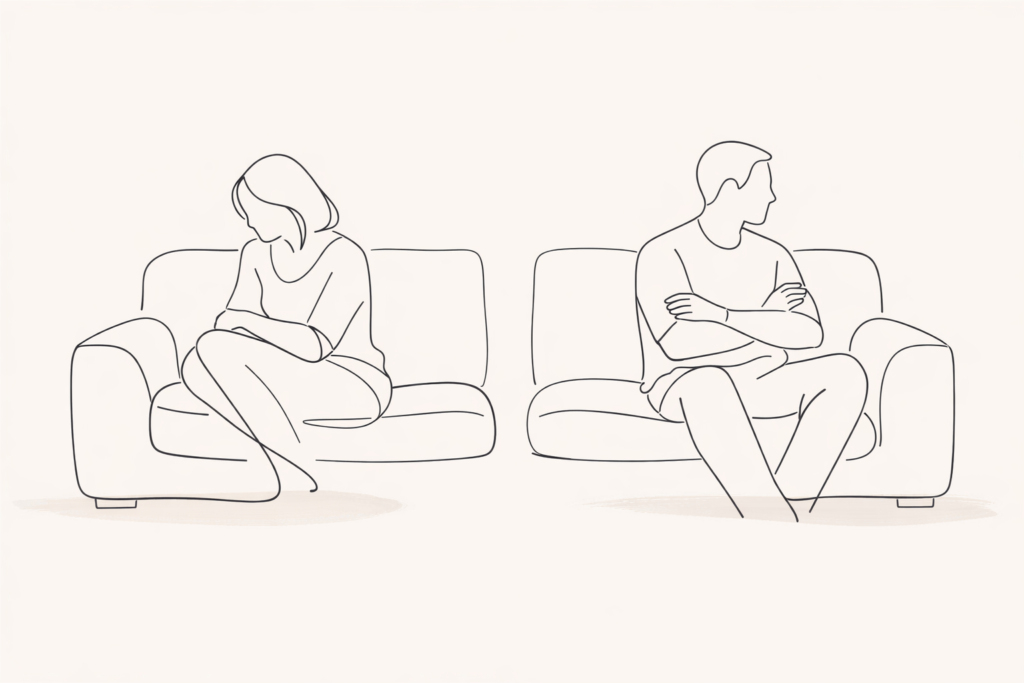
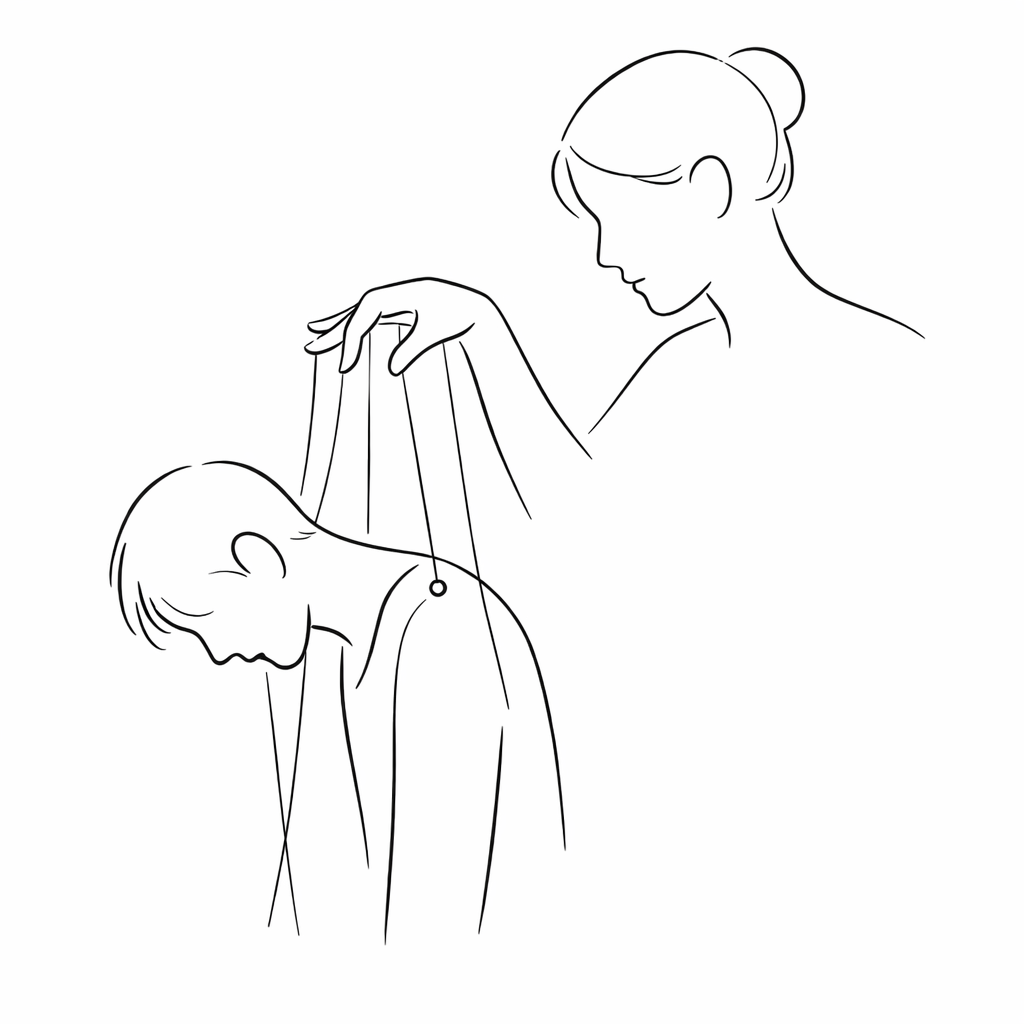
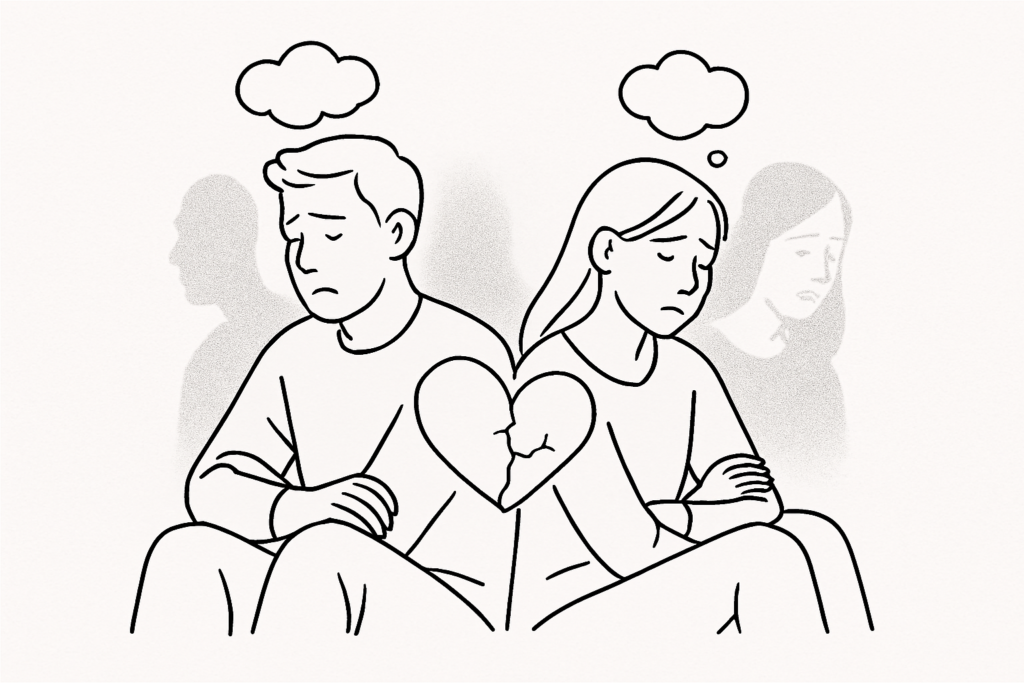
    बेवफाई

    परिचय

    बेवफाई केवल किसी रिश्ते के बाहर शारीरिक संबंध बनाने तक सीमित नहीं है। यह किसी भी रिश्ते के लिए सबसे दर्दनाक अनुभवों में से एक है।

    बेवफाई एक व्यक्ति के विश्वास और आत्म-सम्मान पर सवाल उठाती है। यह रिश्ते की भावनात्मक नींव को बदल देती है, जिससे केवल कपल ही नहीं बल्कि पूरे परिवार और भविष्य के निर्णय भी प्रभावित होते हैं।


    बेवफाई क्या है?

    बेवफाई केवल शारीरिक संबंध नहीं है। यह विश्वास, भावनात्मक विशिष्टता और प्रतिबद्धता का उल्लंघन है। बेवफाई के प्रकार हो सकते हैं:

    1. शारीरिक बेवफाई – रिश्ते के बाहर किसी के साथ यौन संबंध बनाना।
    2. भावनात्मक बेवफाई – किसी और के साथ भावनात्मक रूप से जुड़ना, अपनी निजी बातें और संवेदनाएं साझा करना।
    3. डिजिटल बेवफाई – ऑनलाइन चैट, सेक्स्टिंग, या इंटरनेट के माध्यम से भावनात्मक जुड़ाव बनाना।
    4. माइक्रो-चीटिंग – बार-बार सीमाओं का उल्लंघन करना, चीजों को छिपाना और रिश्ते में भावनात्मक दूरी पैदा करना।

    बेवफाई क्यों होती है?

    बेवफाई केवल एक पल की कमजोरी या अवसर का फायदा नहीं होती, बल्कि यह गहराई से जुड़ी होती है। इसके कुछ सामान्य कारण हो सकते हैं:

    1. अधूरी भावनात्मक जरूरतें
    2. अनसुलझे विवाद
    3. भावनात्मक दूरी
    4. अंतरंगता की कमी
    5. खराब संवाद
    6. उपेक्षित महसूस करना
    7. असुरक्षा या कमजोरी दिखाने का डर
    8. मान्यता (validation) की चाह
    9. व्यक्तिगत असुरक्षाएं
    10. अनसुलझा मानसिक आघात (trauma)

    फिर भी, यह स्पष्ट है कि ये कारण कभी भी बेवफाई को सही नहीं ठहराते। इसकी जिम्मेदारी हमेशा उस व्यक्ति की होती है जो धोखा देने का चुनाव करता है।


    भावनात्मक बेवफाई

    भावनात्मक बेवफाई को अक्सर कम आंका जाता है, लेकिन वास्तव में यह एक खामोश खतरा है। इसमें शारीरिक संपर्क नहीं होता, लेकिन गहरा भावनात्मक जुड़ाव अधिक नुकसान पहुंचा सकता है।

    यह धीरे-धीरे शुरू होती है और इसमें शामिल होता है:

    1. रिश्ते के बाहर अपनी निजी बातें साझा करना
    2. किसी और से भावनात्मक सहारा, मान्यता या उत्साह की उम्मीद रखना
    3. छुपकर बातचीत करना

    समय के साथ, भावनात्मक ऊर्जा रिश्ते से हटकर बाहर चली जाती है, जिससे दूरी, तुलना और भावनात्मक अलगाव पैदा होता है।


    धोखा खाने वाले साथी पर भावनात्मक प्रभाव

    धोखा कभी भी आसान नहीं होता। जिस व्यक्ति को धोखा मिलता है, वह गहरे भावनात्मक संकट से गुजरता है:

    1. सदमा (Shock)
    2. अविश्वास (Disbelief)
    3. गुस्सा (Anger)
    4. दुख (Grief)
    5. आत्म-संदेह (Self-doubt)
    6. आत्मविश्वास में कमी (Loss of confidence)
    7. चिंता (Anxiety)
    8. अत्यधिक सतर्कता (Hypervigilance)
    9. भावनात्मक सुरक्षा का खो जाना

    धोखा खाने वाला व्यक्ति अपने साथी के साथ-साथ खुद पर भी भरोसा खो देता है।
    “क्या मैं पर्याप्त नहीं था/थी?” या “मैंने इसे कैसे नहीं पहचाना?” जैसे सवाल उसके मन में बार-बार आते रहते हैं।


    धोखा देने वाले साथी की भावनात्मक स्थिति

    यह समझना जरूरी है कि बेवफाई कोई दुर्घटना नहीं बल्कि एक चुनाव होता है।

    हालांकि ऐसा लगता है कि धोखा देने वाला व्यक्ति प्रभावित नहीं होता, लेकिन कई मामलों में वह अपराधबोध भी महसूस करता है। यह कुछ व्यवहारों से समझा जा सकता है:

    1. यौन व्यवहार में बदलाव
    2. साथी के प्रति अत्यधिक अधिकार जताना
    3. अचानक से अधिक गोपनीयता रखना

    अगर पकड़े जाते हैं, तो वे अक्सर:

    1. दोष दूसरों पर डालते हैं
    2. अपने व्यवहार को सही ठहराते हैं
    3. झूठ बोलते हैं या सच छुपाते हैं

    विश्वास का टूटना

    एक बार विश्वास टूट जाए, तो उसे पूरी तरह वापस लाना बहुत मुश्किल होता है।

    जैसे दीवार में आई दरार को पूरी तरह छुपाया नहीं जा सकता, वैसे ही रिश्ते में आई दरार भी हमेशा कुछ न कुछ निशान छोड़ देती है।

    विश्वास को दोबारा बनाने के लिए समय, धैर्य, स्वीकार्यता और लगातार प्रयास की जरूरत होती है।


    क्या रिश्ता बेवफाई के बाद बच सकता है?

    यह आसान नहीं होता। हर रिश्ता बेवफाई के बाद नहीं बचता—और यह स्वाभाविक है।

    ऐसी स्थिति में, रिश्ते से ज्यादा महत्वपूर्ण हीलिंग होती है। धोखा खाने वाले व्यक्ति की भावनात्मक स्थिति को प्राथमिकता देनी चाहिए।

    कुछ लोग रिश्ते को दोबारा बनाने का निर्णय लेते हैं, जबकि कुछ लोग सम्मान और स्पष्टता के साथ अलग होना चुनते हैं। यह पूरी तरह व्यक्तिगत निर्णय है।


    बेवफाई के बाद हीलिंग

    हीलिंग कठिन होती है और यह सीधी प्रक्रिया नहीं होती।

    कभी व्यक्ति ठीक महसूस करता है और अगले ही पल फिर से टूट सकता है। इसलिए इस स्थिति को बहुत सावधानी से संभालना जरूरी है।

    हीलिंग के कुछ कदम:

    1. अपनी भावनाओं को दबाए बिना स्वीकार करना
    2. बिना आरोप लगाए ईमानदार बातचीत करना
    3. स्पष्ट सीमाएँ तय करना
    4. जरूरत पड़ने पर प्रोफेशनल मदद लेना
    5. अपने आत्म-सम्मान को फिर से बनाना
    6. माफ करना, यदि हो, तो मजबूरी में नहीं बल्कि स्वाभाविक रूप से

    जिम्मेदारी (Accountability) की भूमिका

    केवल “सॉरी” कहना काफी नहीं होता। व्यक्ति को अपने किए की जिम्मेदारी लेनी होती है और साथी के दर्द को समझना होता है।

    उसे परिणाम स्वीकार करने के लिए तैयार रहना चाहिए—चाहे वह साथ रहकर ठीक करना हो या अलग होना।

    जिम्मेदारी के बिना रिश्ता दोबारा बन पाना संभव नहीं है। इसके लिए लगातार प्रयास और व्यवहार में बदलाव जरूरी है।


    बेवफाई और आत्म-सम्मान

    धोखा मिलने के बाद व्यक्ति अपने आत्म-सम्मान पर सवाल उठाने लगता है।

    यह समझना बहुत जरूरी है:

    1. बेवफाई धोखा देने वाले के चुनाव को दर्शाती है, आपकी कीमत को नहीं
    2. आपने जो विश्वास दिया, वह आपकी ताकत थी
    3. धोखा खाना आपकी कमी नहीं है

    हीलिंग के लिए आत्म-सम्मान और आत्मविश्वास को दोबारा बनाना सबसे जरूरी है।


    जब विश्वास दोबारा नहीं बन पाता

    कभी-कभी प्रयासों के बाद भी चीजें ठीक नहीं होतीं। ऐसे में अलग होना असफलता नहीं, बल्कि आत्म-सुरक्षा है।

    अलग होने से मिलता है:

    1. हीलिंग
    2. विकास
    3. भविष्य में बेहतर रिश्ते

    जबरदस्ती टूटे हुए रिश्ते में बने रहना और ज्यादा नुकसान पहुंचा सकता है।


    आधुनिक रिश्तों में निष्ठा की परिभाषा

    आज के समय में रिश्तों में स्पष्टता और संवाद बहुत जरूरी है।

    निष्ठा अब केवल शारीरिक नहीं, बल्कि इसमें शामिल है:

    1. भावनात्मक ईमानदारी
    2. डिजिटल सीमाएँ
    3. आपसी सम्मान
    4. सचेत जुड़ाव

    स्पष्ट संवाद गलतफहमियों को कम करता है और भावनात्मक सुरक्षा बनाए रखता है।


    धोखे के बाद विकास (Growth)

    बेवफाई दर्दनाक होती है, लेकिन विकास का मतलब दर्द को कम करना नहीं, बल्कि उससे सीखना है।

    यह व्यक्ति को मजबूर करती है:

    1. अपनी भावनात्मक जरूरतों को समझने के लिए
    2. मजबूत सीमाएँ बनाने के लिए
    3. अपनी आंतरिक शक्ति को पहचानने के लिए

    निष्कर्ष

    बेवफाई केवल धोखा नहीं, बल्कि टूटा हुआ विश्वास और गहरे भावनात्मक घाव है।

    सच्चाई का सामना करने के लिए साहस चाहिए। हीलिंग कठिन है, लेकिन यह सच्चाई को स्वीकार करने से शुरू होती है।

    चाहे रिश्ता बचे या नहीं, हीलिंग जरूरी है।
    रिश्ते की कीमत उसके बचने से नहीं, बल्कि इस बात से तय होती है कि दोनों व्यक्ति आगे कैसे बढ़ते हैं।
  • Infidelity

    Infidelity AG.OG..SunoG...

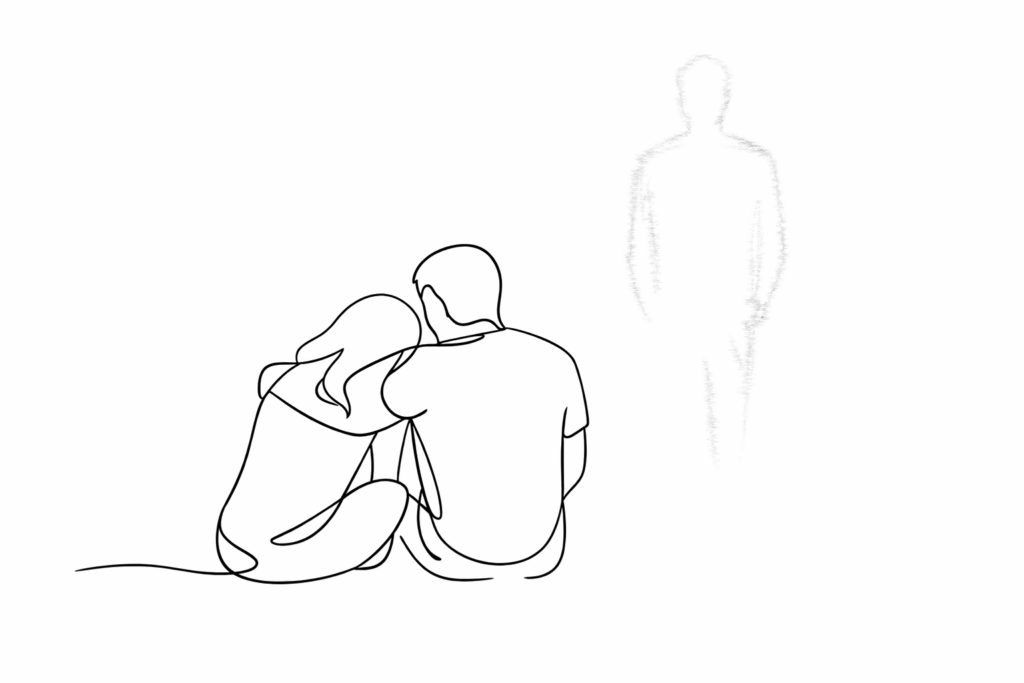
    Infidelity

    Introduction

    Infidelity is much more than physical involvement outside a relationship. It is the most painful experience a relationship can ever endure.

    Infidelity questions the trust and the self-worth of an individual. It alters the emotional foundation of the relationship, impacting not only the couple but the complete families and future decisions.


    What Is Infidelity?

    Infidelity is much more than physical intimacy. It is the violation and the breach of trust, emotional exclusivity, or commitment in a relationship. Infidelity may be:

    1. Physical infidelity that is sexual involvement with someone outside the relationship.
    2. Emotional infidelity means getting emotionally involved and sharing intimacy and vulnerabilities with someone outside the relationship.
    3. Digital infidelity that involves sexting, secretive online interactions, and emotional attachments through the internet or the digital world.
    4. Micro-cheating that involves repeated boundary violations, creating secrecy and creating emotional gaps between the partners in a relationship.

    Why Infidelity Happens

    Infidelity is not about a moment of surrender or advantage. Infidelity reflects deeply. Some common factors that may contribute to infidelity may be:

    1. Unmet needs
    2. Unresolved conflicts
    3. Emotional disconnection
    4. Lack of intimacy
    5. Poor communication
    6. Feeling neglected
    7. Fear of vulnerability
    8. Desire for validation
    9. Personal insecurities
    10. Unresolved trauma

    Whatever we say, whatever we do, we must say that these factors do not justify infidelity. Responsibility for the act always lies with the person who chooses betrayal.


    Emotional Infidelity

    Emotional infidelity is often underestimated, but in reality, it can be a silent threat. Emotional infidelity lacks physical contact, but the deep emotional connection can be far more damaging. It begins subtly and involves:

    1. Sharing personal thoughts outside the relationship
    2. Seeking and expecting comfort, validation, or excitement outside the relationship
    3. Getting involved in secret conversations outside a relationship

    Gradually, the emotional energy shifts away from the relationship, creating emotional gaps, distance, comparison, and emotional detachment or abandonment.


    Emotional Impact on the Betrayed Partner

    Betrayals are never good. A partner who gets betrayed feels deep emotional pain, along with a deep emotional crisis, bringing in:

    1. Shock
    2. Disbelief
    3. Anger
    4. Grief
    5. Self-doubt
    6. Loss of confidence
    7. Anxiety
    8. Hypervigilance
    9. Loss of emotional safety

    The person betrayed loses trust not only in the partner but also in oneself. Questions like “Was I not enough?” or “How did I miss this?” often become permanent inhabitants of their mind.


    The Emotional State of the Unfaithful Partner

    To understand this, we first have to understand that infidelity was not an opportunity; it was a choice. The statement by itself is self-explanatory and gives us the impression that the unfaithful partner will be guilt-free.

    But on the contrary, through surveys and research, it has been recorded that some partners do feel guilty about their act. It can be observed through:

    1. Changes in sexual behaviour
    2. Becoming overly possessive of their partner
    3. A sudden increase in privacy

    Often, the act may go unnoticed and the person may evade consequences, but if they are caught, they tend to:

    1. Blame
    2. Justify
    3. Falsify

    Breach of Trust

    Once gone, it’s gone. It cannot be repaired even with endless apologies or promises.

    Once you see a crack in the wall, you may do whatever, but the crack cannot be completely hidden. Some visible effects will remain forever. Rebuilding this trust is not easy. It needs acknowledgement and a lot of consistent effort with patience.


    Can a Relationship Survive Infidelity?

    It is not easy. Not every person understands, and not every relationship survives infidelity. This is natural in such circumstances.

    Survival becomes secondary to healing. Healing of the betrayed partner should be the primary goal, as their emotional state may deteriorate even after doing nothing.

    Some partners choose to rebuild, while others choose to part with clarity and self-respect. This decision should never be forced.


    Healing After Infidelity

    It’s difficult and not linear. Emotional and mental recovery does not follow a straight path.

    A person may feel fine one moment and disturbed the next. This phase requires careful handling.

    Steps toward healing include:

    1. Allowing emotions without suppression
    2. Honest conversations without blame-shifting
    3. Setting clear boundaries
    4. Seeking professional support if needed
    5. Reclaiming self-worth
    6. Forgiveness, if it happens, should be a result of healing—not an obligation

    The Role of Accountability

    A simple “sorry” is not enough. A person must take accountability and understand the pain caused.

    They should be open to consequences—whether it leads to rebuilding or separation.

    Without accountability, reconciliation is impossible. Consistent effort, behavioural change, and emotional presence are necessary.


    Infidelity and Self-Worth

    After betrayal, the partner often questions their self-worth. This is one of the most damaging impacts of infidelity.

    It is important to understand:

    1. Infidelity reflects the betrayer’s choices, not the betrayed partner’s value
    2. Trust given reflects strength, not weakness
    3. Being cheated on is not a measure of inadequacy

    Rebuilding self-respect and confidence is essential.


    When Trust Cannot Be Rebuilt

    Sometimes, despite efforts, things don’t work out. Choosing to leave is not failure—it is self-preservation.

    Leaving allows:

    1. Healing
    2. Growth
    3. Healthy future relationships

    Staying in a broken dynamic can cause more harm than separation.


    Redefining Fidelity in Modern Relationships

    In today’s world, clear communication about boundaries and expectations is essential.

    Fidelity includes:

    1. Emotional honesty
    2. Digital boundaries
    3. Mutual respect
    4. Intentional connection

    Clear communication protects emotional space.


    Growth After Betrayal

    Infidelity is painful, but growth means learning from it without letting it define the future.

    It can lead to:

    1. Reflection on emotional needs
    2. Stronger boundaries
    3. Rediscovery of personal strength

    Conclusion

    Infidelity is more than betrayal. It is broken trust and emotional wounds.

    Healing begins with acceptance and truth. Whether the relationship survives or not, healing is essential.

    A relationship’s value is not defined by survival, but by the emotional integrity with which individuals move forward.

  • कपल के रिश्ते में तीसरा व्यक्ति

    the third person AG.OG..SunoG...

    कपल के रिश्ते में तीसरा व्यक्ति

    परिचय

    किसी भी कपल के बीच का रिश्ता बहुत पवित्र माना जाता है और यह उनके लिए एक भावनात्मक क्षेत्र होता है। हालांकि इस भावनात्मक क्षेत्र में किसी तीसरे व्यक्ति को प्रवेश नहीं करना चाहिए, फिर भी अक्सर हम देखते हैं कि कोई तीसरा व्यक्ति इस खूबसूरत रिश्ते को प्रभावित कर रहा होता है। यह हमेशा कोई एक्स्ट्रा मैरिटल या रोमांटिक रुचि नहीं होती, बल्कि यह कोई भी हो सकता है—माता-पिता, दोस्त, सहकर्मी, काम, कोई पुरानी याद, समाज या आज के समय में सोशल मीडिया की फ़िल्टर की हुई दुनिया।

    तीसरे व्यक्ति का शामिल होना हमेशा जानबूझकर नहीं होता, बल्कि यह भावनाओं या अधूरी शारीरिक या आर्थिक जरूरतों के कारण भी हो सकता है। हर कपल के बीच कभी न कभी कुछ भावनात्मक खालीपन या अधूरी जरूरतें होती हैं, और ऐसे में बाहरी प्रभावों का आना लगभग तय हो जाता है। समस्या तब शुरू होती है जब ये बाहरी प्रभाव उस खालीपन को भरने लगते हैं या कपल के निजी स्थान में प्रवेश करने लगते हैं।

    तीसरे व्यक्ति की भूमिका को समझना और इन बाहरी प्रभावों से भावनात्मक और शारीरिक निकटता की रक्षा करना एक स्वस्थ रिश्ते के लिए बहुत जरूरी है।


    “तीसरा व्यक्ति” से क्या मतलब है?

    कोई भी बाहरी प्रभाव जो लगातार कपल के भावनात्मक या शारीरिक स्थान में हस्तक्षेप करता है या उनके फैसलों को प्रभावित करता है, उसे “तीसरा व्यक्ति” कहा जा सकता है। यह कोई भी हो सकता है—माता-पिता, दोस्त, परिवार, यादें, बच्चे, सोशल मीडिया या काम।


    तीसरे व्यक्ति का प्रवेश: कैसे? कब? क्यों?

    इसका प्रवेश बहुत सूक्ष्म होता है और अक्सर नजर नहीं आता। यह कई तरीकों से हो सकता है:

    1. जब पार्टनर अपने साथी के अलावा कहीं और मान्यता (validation) ढूंढने लगते हैं।
    2. जब संवाद की कमी होती है—गलतफहमी, झगड़े या जजमेंट के डर से।
    3. जब शारीरिक, भावनात्मक या आर्थिक जरूरतें पूरी नहीं होतीं, खासकर आज के भौतिकवादी और सोशल मीडिया से प्रभावित दौर में।

    इमोशनल ट्रायंगल

    मनोविज्ञान में इसे इमोशनल ट्रायंगल कहा जाता है। यह शुरुआत में तनाव कम करने का एक तरीका लग सकता है, लेकिन लंबे समय में यह रिश्ते को गहरा नुकसान पहुंचाता है।

    इसके प्रभाव:

    • भावनात्मक दूरी
    • भरोसे में कमी
    • गलतफहमियां
    • वफादारी पर सवाल
    • भावनात्मक और शारीरिक दूरी
    • संवाद में कमी

    जब माता-पिता तीसरा व्यक्ति बन जाते हैं

    माता-पिता का प्रभाव बहुत संवेदनशील होता है। यदि सीमाएं तय नहीं की जाएं, तो वे कपल के निजी फैसलों और रिश्ते में हस्तक्षेप कर सकते हैं।

    शादी के बाद भावनात्मक संतुलन बदलना जरूरी होता है, जहां पार्टनर को प्राथमिकता मिलनी चाहिए। यदि ऐसा नहीं होता, तो साथी खुद को अनदेखा महसूस कर सकता है।


    दोस्त और बाहरी मान्यता

    दोस्त और पार्टनर में फर्क होता है। जब दोस्त भावनात्मक जरूरतों की जगह लेने लगते हैं, तब समस्या शुरू होती है।

    यदि कोई पार्टनर अपने रिश्ते की निजी बातें दोस्तों से साझा करने लगे या लगातार तुलना करे, तो यह संकेत है कि दोस्त भावनात्मक पार्टनर बन रहे हैं।


    गैर-मानव तीसरा व्यक्ति

    कभी-कभी काम, मोबाइल, या सोशल मीडिया भी तीसरे व्यक्ति की तरह काम करते हैं।

    जब भावनात्मक बातचीत कम हो जाती है, तो ये चीजें धीरे-धीरे रिश्ते में दूरी बढ़ा देती हैं।


    जब तीसरा व्यक्ति एक पुराना घाव हो

    कभी-कभी पुरानी यादें, दर्द, या असुरक्षाएं भी रिश्ते में तीसरे व्यक्ति की तरह काम करती हैं।

    ऐसे में हीलिंग बहुत जरूरी होती है।


    भावनात्मक प्रभाव

    इस स्थिति में पार्टनर को महसूस हो सकता है:

    • असुरक्षा
    • अकेलापन
    • आत्म-संदेह
    • नाराजगी
    • भावनात्मक दूरी
    • संवाद में कमी

    सीमाएं: सुरक्षा की कुंजी

    स्वस्थ सीमाएं बहुत जरूरी हैं:

    • कुछ बातें सिर्फ कपल तक सीमित रखना
    • पार्टनर की भावनाओं को प्राथमिकता देना
    • बाहरी हस्तक्षेप को सीमित करना
    • निजी भावनात्मक स्पेस बनाना

    रिश्ते की जगह को फिर से मजबूत करना

    इसके लिए जरूरी है:

    • स्वीकार करना
    • माफी मांगना
    • मिलकर प्रयास करना
    • संवाद सुधारना
    • एक-दूसरे को प्राथमिकता देना

    मजबूत भावनात्मक रिश्ता बनाना

    एक स्वस्थ रिश्ता वह है जहां परिवार और दोस्तों के लिए जगह हो, लेकिन कपल केंद्र में रहे।


    निष्कर्ष

    कोई भी जानबूझकर तीसरे व्यक्ति को रिश्ते में नहीं लाता। यह अक्सर किसी कमी का संकेत होता है।

    रिश्ता तभी मजबूत होता है जब भावनात्मक प्राथमिकता कपल के बीच बनी रहे और बाहरी प्रभावों को सीमाओं में रखा जाए।

    एक अच्छा रिश्ता वही है जहां स्पष्टता और जुड़ाव को प्राथमिकता दी जाए।

  • The Third Person in a Couple

    the third person AG.OG..SunoG...

    The Third Person in a Couple

    Introduction

    A relationship between the couple is believed to be very sacred and is meant to be the emotional zone of the couple. Though no third person should be allowed to enter this emotional zone, we often find a third person influencing the beautiful bond. This may not always be an extramarital interest or any other romantic interest, but may be just anyone, may be a parent, a friend, a colleague, work or may even be a memory, society, and not to be forgotten, filtered reel life influence in a person’s life.

    The involvement of a third person may not be through intention but through emotions or through unmet physical or financial needs. Said or unsaid every couple has some emotional gaps over some or other points or has unmet need at some point and here the external influences become inevitable. Problem arises when external factors begin to occupy the emotional gaps or wander over or entering into the personal space of the couple.

    Understanding the role of the third person and protecting the emotional and physical intimacy from these external factors is essential for a healthy relationship.


    What do we mean by the “Third Person”?

    Any external influence that consistently interferes with the physical or emotional space or even tries to interfere in this space, the connection of the couple or influences the decisions of the couple, may be termed as a “third person” in the relationship. This external factor may be just anyone from parents, friends, close family, memory or a partner, children, social media or work.


    Entry of Third Person: How? When? Why?

    The entry is very subtle or even unnoticed. It is rarely loud. And can be through multiple entry points like:

    1. When partners start looking for validation beyond their respective partners. It becomes an easy entry point for a third person. The reason to seek external validation may be anything: a toxic partner, unmet physical, emotional, or financial needs, work pressure, or, in some cases, the friend circle.
    2. The lack of communication may be because of the fear of misunderstanding, fear of conflict, fear of misjudgement, or may simply be because of over-involvement with third-person factors such as work, family, children, etc.
    3. Unmet physical, emotional or financial needs, especially in the world today, where materialistic things matter a lot and filtered reel life of social media influencers makes things worse.

    Emotional Triangles

    Psychologists often refer to the situation as emotional triangle. The situation as the say may prove to be a short term immediate relief measure for tension or stress between the two partners but in long term it has proved to create damage beyond complete repair.

    The long term impacts may include:

    1. Reduced emotional intimacy
    2. Questionable and confusions in loyalty
    3. Misunderstandings
    4. Loss of trust
    5. Physical and Emotional withdrawal
    6. The partners are seen to stop or delay their response to each other

    When Parents Act as a Third Person

    Parental influence is one of the most common and sensitive forms of third-party influence between a couple and their relationship. It is something that has an emotional connection along with deep childhood memories. Without proper boundaries, the personal space of the couple can easily be invaded by the parents and influenced to the extent that the intimacy of the couple is affected. The personal decisions of the couples start getting filtered through the parents.

    Both the couples and the parents should understand that marriage requires an emotional realignment, and the space that used to be closed with parents has to be shared with the spouse.

    Spouse may feel invisible or secondary if this emotional shift is not understood or remains unshifted.


    Friends and External Validation

    There is a difference between friends and a partner. Friends offer support, and partners offer emotional support. When friends become the emotional substitutes, problems arise.

    When a partner starts sharing intimate relationship details or consistently seeks advice over small or big issues of life, or sometimes starts comparing relationships with others, then we may mark the situation as alarming and can say that a friend is getting substituted as an emotional partners.

    This creates emotional distance within the couple and misplaced loyalty.


    Non-human Third Person

    In cases, it can be seen that a non-human is becoming a third person between the couple. This non-human third person may be Work stress, mobile phones, social media, or just anything that keeps the partner constantly busy. The non-human third person can silently intrude into a relationship when emotional check-ins are neglected.

    The relationship slowly loses depth, even without conflict.


    When the Third Person Is a Past Wound

    At times, it has been observed that a memory, a past wound, an unresolved attachment, or a fear of abandonment can get the upper hand over a partner and show up as emotional defensiveness, overdependence on others, or an inability to develop trust in the partner.

    Healing becomes essential in such cases.


    The Emotional Cost on the Partner

    We all know every action has a reaction. When one partner tries to get involved with a third person in the relationship, the other partner gives a reaction. It’s completely normal and natural. But the reaction gives a lasting impact on the partner and the relationship. The partner may experience:

    1. Insecurity
    2. Emotional loneliness
    3. Self-doubt
    4. Resentment
    5. Emotional withdrawal
    6. Limited communication

    Boundaries: The Key to Protection

    By boundaries in a relationship, we mean guidelines. Healthy boundaries are seen to be important in a relationship for various factors. Particularly in third-person matters, certain healthy boundaries that are expected and respected are:

    1. Keeping a couple of matters within the couple
    2. Prioritising the partner’s feelings
    3. Limiting external influence on decisions
    4. Creating private emotional space

    These boundaries help protect the intimacy and strengthen trust.


    Reclaiming the Couple Space

    Reclaiming the space requires acceptance, apologies and collective and conscious efforts to bring balance.

    The goal of achievement can be achieved through honest communication, emotional and physical accountability, and re-prioritising each other as the central focus of the relationship.

    Both partners should agree to reduce dependency on external validation, if any. Partners should understand that it is because of tis dependency the relationship and hence the partners are getting compromised.


    Creating a Strong Emotional Unit

    A healthy relationship balances and allows space for friends, family and loved ones, maintaining a strong core. The couple remains in the centre and maintains their individuality and independence as they share their emotional intimacy. There is a mutual respect for everyone without any emotional displacement.


    Conclusion

    Nobody intentionally introduces a third person in a relationship. Third person may often be a symptom of something that is missing between the couple. It’s often very silent, but its effects can be profound. Relationships thrive when emotional priority remains within the couple, and external influences are managed with awareness and boundaries.

    A relationship, a commitment, is not about isolating from the world around. But it definitely needs some boundaries about protecting the personal space of the couple.

    The best way to cherish a beautiful relationship is by choosing connection over convenience and clarity over comfort. The third person naturally loses power under such circumstances.

  • The Silent Loneliness Within Marriage

    Married but single AG.OG..SunoG...

    Married but Single: The Silent Loneliness Within Marriage

    Introduction

    Marriage is the beautiful union of two partners that is expected to lead towards a shared life and serve as a foundation for companionship. We can assume it to end loneliness.

    But are our perceptions and assumptions about marriage true?

    The real-world picture today very frequently makes us contradict and question our belief system. Very often, we come across people who are married but feel single.


    What Does “Married but Single” Really Mean?

    We will have to understand that “Married but single” is not a legal status. It’s an emotional state of a person.

    Here, the partners share a home in which they coexist, but they do not share their emotions; they feel no connection or feel disconnected.


    How Emotional Loneliness Develops in Marriage

    Emotional loneliness is often very silent, and everything appears very normal until very late in a person’s life. But deep within, the person feels unseen, unheard, unsupported, and disconnected from their partner.

    It is not always a result of conflicts and is rarely sudden in appearance. Numerous factors lead to this loneliness. To name a few:

    1. Poor communication between the partners
    2. Emotional distance or unavailability of the partners
    3. Unresolved issues of the past
    4. Workaholic nature of an individual, putting excessive focus on work
    5. Undue external responsibilities
    6. Lack of appreciation or validation
    7. Neglecting the emotional needs of the partner

    Under these circumstances, something that initially started as an adjustment gradually leads to emotional distancing and isolation.


    Emotional Distancing

    To understand this, we must differentiate between the physical and emotional presence of an individual. Merely being physically present does not mean being emotionally present. A partner may be physically present but emotionally absent.

    With physical presence, we share space. Emotional presence, however, connects individuals mentally and provides trust, safety, and vulnerability in a relationship.

    Being physically present may help build a connection, but it does not guarantee emotional investment. A genuine connection is built through both physical and emotional presence.

    Even conversations change depending upon the level of presence in a relationship. Conversations become more meaningful when partners are emotionally connected, while they remain practical, functional, and to the point when a partner is merely physically present.

    Being together can start to feel like a responsibility when partners are not emotionally aligned, bringing in the feeling of being alone even with a partner.


    Unspoken Expectations

    Marriages often bring along unspoken expectations. If partners fail to understand or devote themselves to each other’s expectations, it silently creates space for emotional distancing.

    Partners often expect:

    1. Emotional support for the day-to-day ups and downs of life
    2. Appreciation, which creates a feel-good factor and acts as motivation
    3. Validation, which brings trust and emotional safety—being a hand to hold, a shoulder to cry on, and an ear to listen without judgment
    4. Shared decision-making, which provides mental support and reassurance that they are not alone
    5. Shared responsibilities, which bring balance and a sense of teamwork in the relationship

    Emotional Neglect

    Neglect hurts in any relationship—especially from loved ones, where it can be heartbreaking.

    When loved ones go emotionally invisible without any argument, drama, or valid justification, their absence can feel like betrayal. This can be extremely painful.

    Not just the pain, but this absence can negatively impact a person’s individuality, creating self-doubt and questioning self-worth.


    Social Acceptance

    Once a person is tagged with the relationship status of being married, society often fails to acknowledge emotional loneliness, leaving no space for the person to express their emotions.

    Society tends to judge, which can create a guilty environment for someone already in distress. The person may begin to withdraw emotionally. Gradually, the gap between outer appearances and inner reality widens.

    This internal erosion of a person is often more damaging than a full-fledged conflict.


    Dealing with Emotional Loneliness

    There may be numerous reasons why a person continues to stay in an emotionally lonely marriage. Staying does not mean contentment; it may be a compromise made for children, family, or circumstances.

    Some common reasons include:

    1. Children
    2. Social pressure
    3. Financial dependency
    4. Fear of change
    5. Hope that things will improve

    Can This Loneliness Be Addressed?

    Yes, but change requires effort from both sides, with honesty and willingness to make things work.

    Healing begins with:

    1. Acknowledgment
    2. Communication
    3. Rebuilding emotional intimacy
    4. Setting healthy boundaries
    5. Spending quality time together
    6. Seeking support if needed

    Choosing Yourself Without Guilt

    Choosing yourself over chaos is never selfish. In fact, recognizing and accepting the reality is the first step toward healing.


    Conclusion

    “Married but single” is a quiet reality many live with but few speak about.

    Emotional loneliness within marriage is real, valid, and deserving of attention. When emotional connection fades, it is not a personal failure, but a signal that something needs care, clarity, or change.

  • शादी में छिपा हुआ अकेलापन

    Married but single AG.OG..SunoG...

    Married but Single: शादी में छिपा हुआ अकेलापन

    परिचय

    विवाह दो साथियों का एक सुंदर मिलन है, जिसे एक साझा जीवन की ओर ले जाने और साथ निभाने की नींव के रूप में देखा जाता है। हम अक्सर मान लेते हैं कि विवाह अकेलेपन को समाप्त कर देता है।

    लेकिन क्या विवाह के बारे में हमारी धारणाएं और मान्यताएं हमेशा सही होती हैं?

    आज की वास्तविक दुनिया की तस्वीर कई बार हमें अपनी सोच पर सवाल उठाने के लिए मजबूर कर देती है। अक्सर हम ऐसे लोगों से मिलते हैं जो शादीशुदा होते हुए भी खुद को अकेला महसूस करते हैं।


    “Married but Single” का वास्तव में क्या मतलब है?

    हमें यह समझना होगा कि “Married but single” कोई कानूनी स्थिति नहीं है, बल्कि यह एक व्यक्ति की भावनात्मक स्थिति है।

    यह वह स्थिति है जहाँ पार्टनर एक ही घर में साथ रहते हैं, लेकिन अपने भावनाओं को साझा नहीं करते। वे साथ तो होते हैं, लेकिन जुड़ाव महसूस नहीं करते या खुद को अलग-थलग महसूस करते हैं।


    विवाह में भावनात्मक अकेलापन कैसे विकसित होता है

    भावनात्मक अकेलापन अक्सर बहुत चुपचाप विकसित होता है, और लंबे समय तक सब कुछ सामान्य दिखाई देता है। लेकिन भीतर ही भीतर व्यक्ति खुद को अनदेखा, अनसुना, असमर्थित और अपने साथी से कटा हुआ महसूस करता है।

    यह हमेशा झगड़ों का परिणाम नहीं होता और न ही अचानक पैदा होता है। कई कारण इस स्थिति तक ले जाते हैं, जैसे:

    1. पार्टनर्स के बीच खराब संवाद
    2. भावनात्मक दूरी या उपलब्धता की कमी
    3. अतीत के अनसुलझे मुद्दे
    4. काम में अत्यधिक व्यस्तता (वर्कहोलिक स्वभाव)
    5. बाहरी जिम्मेदारियों का दबाव
    6. सराहना या मान्यता की कमी
    7. पार्टनर की भावनात्मक जरूरतों की अनदेखी

    इन परिस्थितियों में, जो चीज शुरुआत में केवल एक समायोजन (adjustment) थी, वह धीरे-धीरे भावनात्मक दूरी और अकेलेपन में बदल जाती है।


    भावनात्मक दूरी (Emotional Distancing)

    इसे समझने के लिए हमें शारीरिक और भावनात्मक उपस्थिति के बीच अंतर समझना होगा। केवल शारीरिक रूप से उपस्थित होना, भावनात्मक रूप से उपस्थित होना नहीं होता।

    एक पार्टनर शारीरिक रूप से साथ हो सकता है, लेकिन भावनात्मक रूप से अनुपस्थित हो सकता है।

    शारीरिक उपस्थिति हमें एक ही जगह पर रखती है, जबकि भावनात्मक उपस्थिति विश्वास, सुरक्षा और खुलापन (vulnerability) पैदा करती है।

    केवल साथ होना जुड़ाव की गारंटी नहीं देता। असली जुड़ाव तब बनता है जब दोनों शारीरिक और भावनात्मक रूप से मौजूद हों।

    बातचीत भी इसी पर निर्भर करती है—
    भावनात्मक जुड़ाव होने पर बातचीत गहरी और अर्थपूर्ण होती है,
    जबकि केवल शारीरिक उपस्थिति में बातचीत सीमित, औपचारिक और काम तक ही रहती है।

    जब भावनात्मक तालमेल नहीं होता, तो साथ रहना एक जिम्मेदारी जैसा लगने लगता है, और इंसान अपने ही रिश्ते में अकेला महसूस करने लगता है।


    अनकही अपेक्षाएँ (Unspoken Expectations)

    विवाह के साथ कई ऐसी अपेक्षाएँ आती हैं जो कभी खुलकर कही नहीं जातीं।

    जब पार्टनर एक-दूसरे की अपेक्षाओं को समझ नहीं पाते या पूरा नहीं करते, तो यह चुपचाप भावनात्मक दूरी पैदा करता है।

    पार्टनर अक्सर उम्मीद करते हैं:

    1. रोज़मर्रा की ज़िंदगी के उतार-चढ़ाव में भावनात्मक सहारा
    2. सराहना, जो अच्छा महसूस कराए और प्रेरणा दे
    3. मान्यता (Validation), जिससे विश्वास और भावनात्मक सुरक्षा मिलती है
    4. निर्णयों में सहभागिता, जिससे यह एहसास हो कि वे अकेले नहीं हैं
    5. जिम्मेदारियों का साझा निभाव, जिससे संतुलन और टीम भावना बने

    भावनात्मक उपेक्षा (Emotional Neglect)

    किसी भी रिश्ते में उपेक्षा दर्द देती है, लेकिन अपने ही लोगों से मिले तो यह दिल तोड़ने वाली हो सकती है।

    जब कोई बिना झगड़े, बिना कारण या बिना किसी स्पष्ट वजह के भावनात्मक रूप से दूर हो जाता है, तो यह एक तरह का धोखा जैसा महसूस हो सकता है।

    यह केवल दर्द ही नहीं देता, बल्कि व्यक्ति के आत्मविश्वास और आत्म-मूल्य (self-worth) को भी प्रभावित करता है। व्यक्ति खुद पर संदेह करने लगता है।


    सामाजिक स्वीकृति (Social Acceptance)

    जब किसी व्यक्ति को “शादीशुदा” का टैग मिल जाता है, तो समाज अक्सर उसके भावनात्मक अकेलेपन को समझने या स्वीकार करने में असफल रहता है।

    इसके बजाय, व्यक्ति को जज किया जाता है, जिससे वह और अधिक दबाव और अपराधबोध महसूस करता है।

    धीरे-धीरे व्यक्ति भावनात्मक रूप से खुद को अलग करने लगता है, और बाहरी दिखावे और अंदर की सच्चाई के बीच एक बड़ा अंतर बन जाता है।

    यह अंदर ही अंदर होने वाला टूटना, कई बार खुले संघर्ष से भी ज्यादा नुकसानदायक होता है।


    भावनात्मक अकेलेपन के साथ जीना

    कई कारण हो सकते हैं जिनकी वजह से व्यक्ति इस तरह के रिश्ते में बना रहता है। रहना हमेशा संतुष्टि का संकेत नहीं होता—यह एक समझौता भी हो सकता है।

    कुछ प्रमुख कारण हैं:

    1. बच्चे
    2. सामाजिक दबाव
    3. आर्थिक निर्भरता
    4. बदलाव का डर
    5. यह उम्मीद कि सब ठीक हो जाएगा

    क्या इस अकेलेपन को दूर किया जा सकता है?

    हाँ, लेकिन इसके लिए दोनों पार्टनर्स का प्रयास ज़रूरी है—ईमानदारी और इच्छा के साथ।

    ठीक होने की शुरुआत होती है:

    1. स्वीकार करना (Acknowledgment)
    2. खुलकर संवाद करना
    3. भावनात्मक जुड़ाव को फिर से बनाना
    4. स्वस्थ सीमाएँ तय करना
    5. साथ में गुणवत्तापूर्ण समय बिताना
    6. जरूरत पड़ने पर मदद लेना

    खुद को चुनना बिना अपराधबोध के

    खुद को चुनना स्वार्थी होना नहीं है।

    सच्चाई को पहचानना और स्वीकार करना ही healing की पहली सीढ़ी है।


    निष्कर्ष

    “Married but single” एक ऐसी खामोश सच्चाई है जिसे बहुत लोग जीते हैं, लेकिन कम ही लोग इसके बारे में बात करते हैं।

    विवाह के भीतर भावनात्मक अकेलापन वास्तविक है, वैध है, और ध्यान देने योग्य है। जब भावनात्मक जुड़ाव कम हो जाता है, तो यह असफलता नहीं, बल्कि एक संकेत है कि रिश्ते को देखभाल, समझ और बदलाव की जरूरत है।

  • टॉक्सिक पार्टनर

    Toxic relationship AG.OG..SunoG...

    टॉक्सिक पार्टनर

    परिचय

    हर रिश्ता उम्मीद, प्यार और सपनों के साथ शुरू होता है—एक साथ रहने का सपना, एक-दूसरे का सहारा बनने का सपना, और हर अच्छे-बुरे समय में एक-दूसरे के लिए भावनात्मक सुरक्षित स्थान बनने का सपना। एक स्वस्थ रिश्ता आत्मविश्वास, भरोसा, आपसी सम्मान और विकास को बढ़ावा देता है।

    लेकिन हर रिश्ता इस दिशा में आगे नहीं बढ़ता। कभी-कभी, देखभाल धीरे-धीरे नियंत्रण में बदल जाती है, चिंता हेरफेर में बदल जाती है, और प्यार भावनात्मक थकान में बदल जाता है। जो रिश्ता कभी सुकून देता था, वही धीरे-धीरे थका देने वाला, उलझन भरा और बोझिल लगने लगता है—यहीं से टॉक्सिसिटी शुरू होती है।

    टॉक्सिसिटी हमेशा शोर-शराबे, गाली-गलौज या झगड़ों के रूप में नहीं होती। यह अक्सर सूक्ष्म, भावनात्मक रूप से थकाने वाली और पहचानने में कठिन होती है। इस ब्लॉग में हम टॉक्सिक पार्टनर के व्यवहार, उसके प्रभाव और उससे उबरने के तरीकों को समझेंगे।


    टॉक्सिक पार्टनर क्या होता है?

    कभी-कभार होने वाली गलतियाँ या मतभेद किसी रिश्ते को टॉक्सिक नहीं बनाते। टॉक्सिसिटी तब होती है जब बार-बार होने वाला व्यवहार आपके मानसिक, भावनात्मक या मनोवैज्ञानिक स्वास्थ्य को नुकसान पहुँचाता है।

    टॉक्सिक पार्टनर लगातार ऐसा माहौल बनाता है जिसमें डर, असुरक्षा और भावनात्मक दर्द होता है।


    टॉक्सिक रिलेशनशिप के संकेत

    • आप खुद को सपोर्टेड से ज्यादा थका हुआ महसूस करते हैं
    • आप अक्सर कन्फ्यूज या अस्थिर महसूस करते हैं
    • आपको अनदेखा या महत्वहीन महसूस होता है
    • आप अपने विचार खुलकर व्यक्त करने में असुरक्षित महसूस करते हैं

    टॉक्सिक पार्टनर की विशेषताएँ

    1. लगातार आलोचना और नीचा दिखाना
    वे बार-बार आपकी आलोचना करते हैं, तुलना करते हैं या व्यंग्य करते हैं। इससे आत्म-संदेह बढ़ता है।

    2. देखभाल के नाम पर नियंत्रण
    वे आपकी स्वतंत्रता पर सवाल उठाते हैं, आपके फैसले नियंत्रित करते हैं और आपकी गतिविधियों पर नजर रखते हैं।

    3. भावनात्मक हेरफेर
    वे गिल्ट ट्रिप, विक्टिम कार्ड या बातों को तोड़-मरोड़कर आपको भ्रमित करते हैं।

    4. जिम्मेदारी से बचना (Blame Game)
    वे अपनी गलतियों की जिम्मेदारी नहीं लेते और हमेशा दोष आप पर डालते हैं।

    5. व्यवहार में अस्थिरता
    कभी बहुत प्यार, कभी अचानक दूरी या गुस्सा—यह अस्थिरता आपको भावनात्मक रूप से परेशान करती है।

    6. भावनात्मक उपेक्षा
    रिश्ते में होते हुए भी आप अकेलापन महसूस करते हैं क्योंकि आपकी भावनात्मक जरूरतें पूरी नहीं होतीं।


    टॉक्सिक रिलेशनशिप का प्रभाव

    1. आत्म-सम्मान में कमी
    लगातार आलोचना से आत्मविश्वास कमजोर हो जाता है।

    2. भावनात्मक निर्भरता
    डर और गिल्ट के कारण आप पार्टनर पर निर्भर हो जाते हैं।

    3. चिंता और मानसिक थकान
    अपनी बात न कह पाने से तनाव और चिंता बढ़ती है।


    लोग टॉक्सिक रिश्ते में क्यों रहते हैं?

    • टॉक्सिसिटी धीरे-धीरे शुरू होती है
    • गलत व्यवहार सामान्य लगने लगता है
    • भावनात्मक जुड़ाव (Trauma Bonding)
    • अकेलेपन का डर
    • बदलाव की उम्मीद
    • सामाजिक या आर्थिक दबाव

    टॉक्सिक vs इम्परफेक्ट पार्टनर

    • इम्परफेक्ट पार्टनर: गलती करता है, मानता है और सुधार करता है
    • टॉक्सिक पार्टनर: गलती दोहराता है, जिम्मेदारी नहीं लेता

    👉 मुख्य अंतर: जिम्मेदारी और सुधार की इच्छा


    जब टॉक्सिसिटी एब्यूज बन जाती है

    • धमकी या डराना
    • लगातार अपमान
    • अपनी बात कहने में डर
    • स्वतंत्रता खत्म होना

    इस स्थिति में बाहरी मदद लेना जरूरी हो जाता है।


    हीलिंग और भावनात्मक सुरक्षा

    1. स्वीकार करें
    स्थिति को पहचानना ही पहला कदम है।

    2. सपोर्ट सिस्टम बनाएं
    दोस्त, परिवार या थेरेपिस्ट से बात करें।

    3. सीमाएँ तय करें
    अपनी सीमाओं को स्पष्ट करें और लागू करें।

    4. खुद को प्राथमिकता दें
    डर से ज्यादा आत्म-सम्मान को चुनें।


    हीलिंग के बाद

    • अपनी पहचान वापस पाना
    • भावनात्मक घाव भरना
    • स्वस्थ रिश्तों को समझना
    • खुद के प्रति दया रखना

    निष्कर्ष

    टॉक्सिसिटी इरादों से नहीं, उसके प्रभाव से पहचानी जाती है। यह हमेशा स्पष्ट नहीं होती—कभी-कभी यह प्यार और आकर्षण के पीछे छिपी होती है।

    इसे पहचानना और इससे बाहर निकलना आत्म-सम्मान और आत्म-सुरक्षा का कदम है।

  • Toxic Partner

    Toxic relationship AG.OG..SunoG...

    Toxic Partner

    Introduction

    Every relationship begins with hope, love, and dreams—the dream of building a life together, supporting each other, and becoming a safe emotional space through both good and difficult times. A healthy relationship nurtures confidence, trust, mutual respect, and growth.

    However, not all relationships continue on this path. Sometimes, care gradually turns into control, concern into manipulation, and love into emotional exhaustion. What once felt safe begins to feel draining, confusing, and overwhelming—this is where toxicity begins to take shape.

    Toxicity is not always loud, abusive, or visibly conflicting. Often, it is subtle, emotionally draining, and difficult to recognize. Through this blog, we explore what defines a toxic partner, common behavioral patterns, emotional impact, and the path toward healing and emotional safety.


    What Is a Toxic Partner?

    It is important to understand that occasional mistakes, disagreements, or misbehavior do not make a relationship toxic. Toxicity is defined by consistent patterns of behavior that harm emotional, mental, or psychological well-being.

    A toxic partner repeatedly creates fear, insecurity, imbalance, or emotional pain, making the relationship unhealthy over time.


    Signs and Symptoms of a Toxic Relationship

    • You feel more drained than supported
    • You often feel confused or emotionally unsettled
    • You feel neglected, unvalued, or unheard
    • You feel anxious or unsafe expressing your thoughts and emotions

    Common Characteristics of a Toxic Partner

    1. Constant Criticism and Devaluation
    A toxic partner frequently criticizes, compares, or uses sarcasm and insults. They highlight flaws while rarely appreciating, leading to self-doubt and a constant need for validation.

    2. Control Disguised as Care
    What appears as concern may actually be control—monitoring your actions, questioning your independence, or making decisions on your behalf. Over time, this erodes autonomy and creates emotional dependence, often accompanied by unhealthy jealousy.

    3. Emotional Manipulation
    They may play the victim, guilt-trip, or twist facts to create confusion. This can lead you to question your own perception of reality and feel emotionally unstable.

    4. Blame-Shifting and Lack of Accountability
    Toxic partners rarely take responsibility. They shift blame, dismiss your perspective, and avoid accountability, creating a cycle where issues repeat without resolution.

    5. Emotional Inconsistency
    Their behavior may swing between affection and conflict. This unpredictability creates confusion and keeps you emotionally unsettled.

    6. Emotional Neglect
    Despite being in a relationship, you may feel lonely due to unmet emotional needs, ignored boundaries, and lack of empathy.


    Impact of a Toxic Relationship

    1. Low Self-Esteem
    Constant criticism and invalidation gradually weaken confidence.

    2. Emotional Dependency
    Fear, guilt, or conditional affection can create unhealthy emotional reliance.

    3. Anxiety and Emotional Fatigue
    Suppressed expression and fear of conflict lead to ongoing stress, anxiety, and exhaustion.


    Why People Stay in Toxic Relationships

    • Toxicity often develops gradually and is hard to recognize
    • Unhealthy behavior becomes normalized over time
    • Trauma bonding creates strong emotional attachment
    • Low self-esteem and fear of being alone prevent leaving
    • Hope for change keeps the person invested
    • Social, financial, or family pressures restrict decisions

    Toxic Partner vs. Imperfect Partner

    Understanding the difference is crucial:

    • Imperfect Partner: Makes mistakes, listens, takes responsibility, and grows
    • Toxic Partner: Repeats harmful behavior, avoids accountability, and dismisses your pain

    The key difference lies in growth and accountability.


    When Toxicity Becomes Abuse

    Over time, toxic behavior can escalate into abuse. Warning signs include:

    • Threats, intimidation, or isolation
    • Persistent humiliation
    • Fear of expressing yourself
    • Loss of independence

    At this stage, seeking external or professional help becomes essential.


    Healing and Emotional Safety

    1. Acknowledge the Reality
    Recognizing and labeling toxic behavior is the first step toward clarity and healing.

    2. Reconnect and Seek Support
    Reach out to trusted friends, family, or professionals. Therapy can help process emotional trauma and rebuild self-worth.

    3. Set and Enforce Boundaries
    Boundaries are essential but often violated in toxic relationships. Consistently enforcing them is crucial.

    4. Choose Self-Respect Over Fear
    Prioritizing your self-worth may be difficult, but it is necessary for emotional well-being.


    Healing After a Toxic Relationship

    Healing takes time, but it allows you to:

    • Rebuild your identity
    • Process emotional trauma
    • Learn healthy relationship patterns
    • Practice self-compassion

    Conclusion

    Toxicity is defined by its impact, not intention. A toxic partner may not always appear harmful—often, toxicity is hidden behind charm, affection, or emotional intensity.

    Recognizing these patterns and choosing to step away is not a failure—it is an act of self-respect, self-care, and emotional preservation.

  • प्रतिबद्ध रिश्ते में असुरक्षाएँ

    insecurities in a relationship AG.OG..SunoG...

    प्रतिबद्ध रिश्ते में असुरक्षाएँ

    परिचय

    असुरक्षा का मन में आना पूरी तरह मानवीय है। असुरक्षाएँ हमेशा वर्तमान रिश्ते की वजह से नहीं होतीं, बल्कि अक्सर अतीत के अनुभवों की परछाई होती हैं। प्यार, विश्वास और साझा सपनों से भरे मजबूत रिश्ते भी पुराने घावों, डर, संदेह या भावनात्मक चोटों से प्रभावित हो सकते हैं।

    जब असुरक्षाएँ उभरती हैं, तो वे व्यक्ति की सोच, प्रतिक्रिया और व्यवहार को प्रभावित करती हैं। जितनी जल्दी इन्हें पहचाना, समझा और संभाला जाए, उतना ही रिश्ता स्वस्थ रहता है। अनसुलझी असुरक्षाएँ धीरे-धीरे रिश्ते की भावनात्मक नज़दीकी को कमजोर कर देती हैं।


    रिश्ते में असुरक्षा क्या होती है?

    असुरक्षा मन के भीतर चलने वाला एक मौन संघर्ष है, जो डर, संदेह और चिंता से जन्म लेता है। यह बाहर की दुनिया में व्यवहार के माध्यम से दिखाई देता है—जैसे ज़रूरत से ज़्यादा सोचना, बार-बार आश्वासन माँगना, नियंत्रण की प्रवृत्ति, भावनात्मक दूरी या अचानक भावनात्मक प्रतिक्रियाएँ।


    रिश्ते में असुरक्षाओं के सामान्य कारण

    1. अतीत की परछाई

    धोखा, उपेक्षा, त्याग या विषाक्त रिश्तों से गुज़रे लोग भावनात्मक रूप से अधिक संवेदनशील हो जाते हैं। अतीत के दोहराए जाने का डर वर्तमान को बिगाड़ देता है।

    2. कम आत्म-सम्मान

    कम आत्म-सम्मान वाले व्यक्ति अपने मूल्य पर संदेह करते रहते हैं, जिससे डर और चिंता बढ़ती है और असुरक्षा जन्म लेती है।

    3. अटैचमेंट स्टाइल

    रिश्तों में भावनात्मक जुड़ाव को समझने के चार प्रकार होते हैं:

    • सिक्योर अटैचमेंट – भावनात्मक रूप से स्थिर और भरोसेमंद
    • एंग्ज़ायस अटैचमेंट – त्याग का डर और लगातार आश्वासन की चाह
    • अवॉइडेंट अटैचमेंट – भावनात्मक नज़दीकी से डर
    • फियरफुल-अवॉइडेंट अटैचमेंट – खिंचाव और दूरी का भ्रमित व्यवहार

    4. अभिव्यक्ति की कमी

    भावनाओं या अपेक्षाओं को व्यक्त न करने से गलतफहमियाँ बढ़ती हैं और चुप्पी को अस्वीकृति समझ लिया जाता है।

    5. सोशल मीडिया और तुलना की संस्कृति

    सोशल मीडिया पर दिखाई देने वाले “परफेक्ट” रिश्ते हीन भावना और ईर्ष्या को जन्म देते हैं।

    6. भावनात्मक या शारीरिक दूरी

    व्यस्त जीवन, तनाव, संवाद की कमी या कम समय साथ बिताना असुरक्षा को बढ़ाता है।


    रिश्ते में असुरक्षा के संकेत

    • बार-बार आश्वासन की आवश्यकता
    • छोटी बातों पर ज़्यादा सोचना
    • बिना कारण ईर्ष्या
    • फोन या सोशल मीडिया जाँचना
    • बातचीत से बचना
    • बिना कारण चुप्पी
    • भावनात्मक दूरी
    • नियंत्रण की प्रवृत्ति
    • विश्वास की कमी

    व्यक्ति पर असुरक्षा का प्रभाव

    लगातार असुरक्षा चिंता, आत्म-आलोचना, मूड स्विंग्स और आत्म-निर्भरता की कमी पैदा करती है। लंबे समय में आत्मविश्वास और पहचान कमजोर हो जाती है।


    रिश्ते पर असुरक्षा का प्रभाव

    असुरक्षा संवाद को रोकती है, विश्वास को तोड़ती है और रिश्ते को भावनात्मक रूप से थका देने वाला बना देती है।


    दबी हुई असुरक्षाएँ

    असुरक्षाओं को दबाने से वे खत्म नहीं होतीं, बल्कि समय के साथ और गहरी हो जाती हैं।


    असुरक्षाओं को कैसे संभालें

    1. स्वीकार करें
    2. आरोप के बिना व्यक्त करें
    3. रिश्ते के बाहर आत्म-मूल्य बनाएँ
    4. भावनात्मक सुरक्षा विकसित करें
    5. स्वस्थ सीमाएँ तय करें
    6. तुलना से बचें
    7. ज़रूरत पड़े तो पेशेवर मदद लें

    विकास का मार्ग

    जब साथी मिलकर असुरक्षाओं का सामना करते हैं, तो रिश्ता और गहरा होता है।


    निष्कर्ष

    स्वस्थ रिश्ता वह नहीं है जहाँ असुरक्षाएँ न हों, बल्कि वह है जहाँ उन्हें खुलकर स्वीकार किया जाए। समझ, संवाद और करुणा के साथ असुरक्षाएँ डर नहीं, बल्कि गहराई और मजबूती का कारण बन सकती हैं।

  • Insecurities in a Committed Relationship

    insecurities in a relationship AG.OG..SunoG...

    Insecurities in a Committed Relationship

    Introduction

    It is completely human for insecurities to arise in the mind. Insecurities are not always created by the present relationship; more often, they are reflections of past experiences. Even loving relationships with deep roots of trust, shared goals, and emotional connection can be affected by unresolved memories—be it past hurt, fear, doubt, or emotional and physical wounds.

    When insecurities surface, they influence thoughts, reactions, and behaviour. The earlier these insecurities are recognised, addressed, and managed, the healthier the relationship remains. Unaddressed insecurities, however, slowly erode emotional closeness and intimacy between partners.


    What Are Insecurities in a Relationship?

    Insecurities are silent internal struggles that arise from doubt, fear, and anxiety. They often manifest externally through behavioural changes such as overthinking, excessive need for reassurance, controlling tendencies, emotional withdrawal, or sudden emotional outbursts.


    Common Causes of Insecurities in Relationships

    1. Reflection of the Past

    Individuals who have experienced betrayal, neglect, abandonment, or toxic relationships often become emotionally sensitive. The fear of history repeating itself and uncertainty about the future can trigger overthinking, ultimately spoiling the present moment.

    2. Low Self-Esteem

    People with low self-esteem often struggle with self-worth. This internal battle gives rise to doubt, fear, and anxiety, which eventually manifest as insecurities within the relationship.

    3. Attachment Styles

    Attachment styles shape how individuals experience closeness, trust, and emotional security. There are four main types:

    • Secure Attachment
      Emotionally stable, trusting, and comfortable with intimacy. They generally feel secure within themselves and their relationships.
    • Anxious Attachment
      Fear abandonment and constantly seek reassurance. Persistent worry keeps them emotionally insecure.
    • Avoidant Attachment
      Fear emotional closeness and intimacy. Their emotional distancing often creates insecurity within the relationship.
    • Fearful-Avoidant Attachment
      Experience a push–pull dynamic—wanting closeness yet fearing it. This inconsistency often creates confusion and insecurity for both partners.

    4. Lack of Expression

    When individuals fail to express their thoughts, emotions, or expectations, misunderstandings arise. Silence is often misinterpreted as disinterest or rejection, leading to emotional distance and insecurity.

    5. Curated Reel-Life Comparison Culture

    Social media promotes carefully curated images of “perfect” individuals and relationships. Constant exposure to unrealistic standards of beauty, success, and lifestyle can trigger feelings of inadequacy, jealousy, and self-doubt, making individuals question the worth of their own relationships.

    6. Emotional or Physical Distance

    Busy schedules, stress, unresolved conflicts, lack of communication, long-distance dynamics, or reduced quality time can create emotional and physical gaps. These gaps often give rise to feelings of neglect and insecurity.


    How to Identify Insecurities in a Relationship

    Insecurities are often subtle and go unnoticed, but common signs include:

    1. Constant need for reassurance
    2. Overthinking small actions or words
    3. Jealousy without clear reasons
    4. Checking phones or social media
    5. Avoiding important conversations
    6. Giving silent treatment
    7. Emotional withdrawal
    8. Controlling behaviour
    9. Lack of trust

    Insecurities and the Individual

    Living with persistent insecurities can be emotionally exhausting. Over time, it may lead to anxiety, self-criticism, mood swings, emotional dependence, and loss of self-confidence. Chronic insecurity can weaken self-esteem and, in extreme cases, cause individuals to lose their sense of identity.


    Insecurities and the Relationship

    Managing insecurities is essential for a healthy relationship. When left unaddressed, insecurities create communication barriers, damage trust, and weaken intimacy. The relationship becomes emotionally draining, and love slowly shifts from being a source of comfort to a source of stress.


    Suppressed Insecurities

    Many individuals suppress their insecurities out of fear of judgment or a desire to appear mature and strong. However, unspoken insecurities do not disappear on their own—they accumulate and intensify over time, eventually worsening emotional distress and relational conflict.


    How to Manage Insecurities

    1. Acceptance
      Acknowledge the insecurity without self-judgment. Awareness is the first step toward healing.
    2. Express Without Accusation
      Use “I” statements and express feelings clearly. Healthy communication invites understanding, not defensiveness.
    3. Build Self-Worth Outside the Relationship
      Pursue hobbies, friendships, career goals, and self-care. Emotional independence reduces dependency-driven insecurity.
    4. Create Emotional Safety Together
      Emotional safety allows partners to be vulnerable without fear, strengthening trust and intimacy.
    5. Set Healthy Boundaries
      Boundaries protect individuality. Respecting personal space strengthens mutual trust.
    6. Limit Harmful Comparisons
      Every individual and relationship is unique. What works for others may not work for you. Focus on what nurtures your bond.
    7. Seek Professional Support if Needed
      Seeking help is not weakness—it is a commitment to growth and emotional well-being.

    How Insecurities Can Become a Path to Growth

    When partners face insecurities together with a shared intention to heal, emotional intimacy deepens. Relationships that survive vulnerability often become stronger, more resilient, and more meaningful.


    Conclusion

    A healthy relationship is not one where insecurities never arise, but one where partners feel safe enough to acknowledge them, communicate openly, and support each other’s growth. With self-awareness, emotional responsibility, honest communication, and compassion, insecurities can transform from sources of fear into opportunities for deeper connection and lasting love.