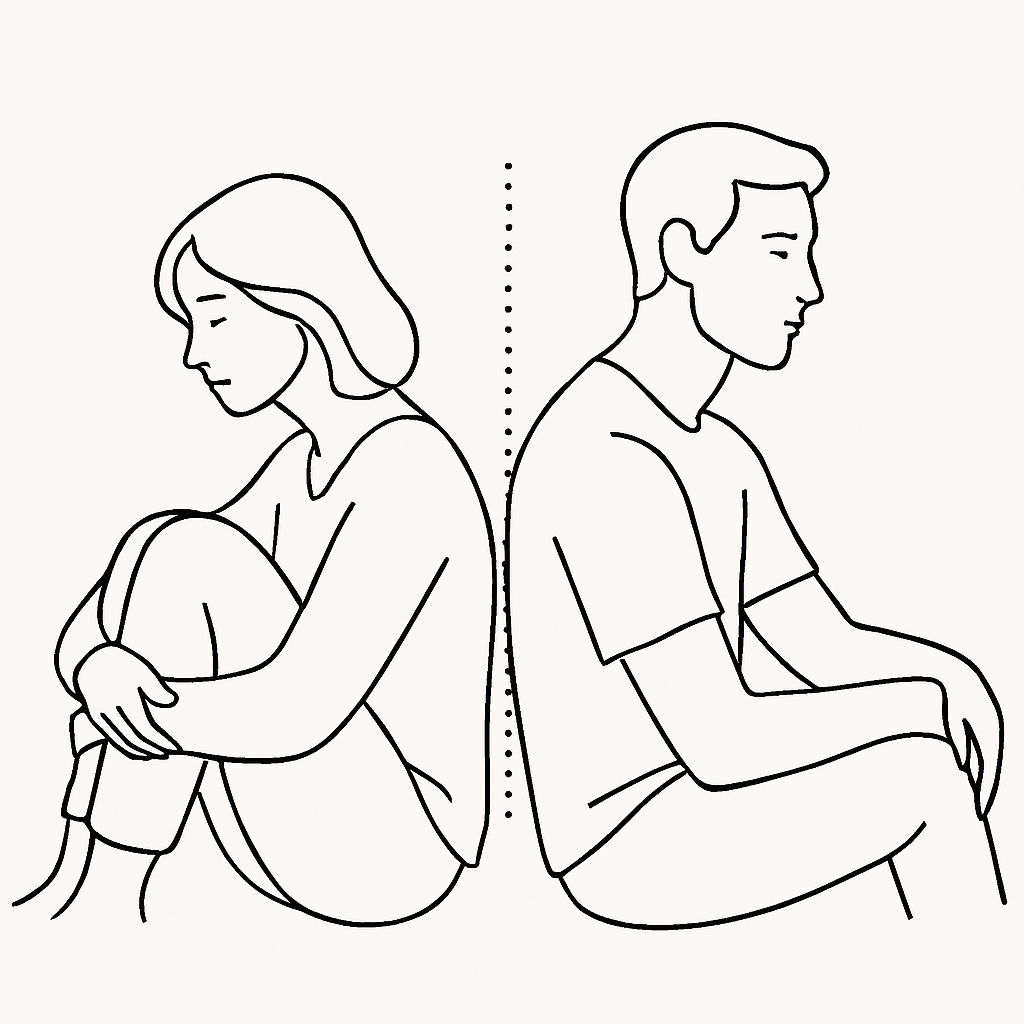
Category: couple

  • गंभीर डेटिंग के दौरान हेल्दी बाउंड्रीज़ सेट करना

    Healthy Boundaries AG.OG..SunoG...

    गंभीर डेटिंग के दौरान हेल्दी बाउंड्रीज़ सेट करना

    परिचय

    जैसे-जैसे रिश्ते गहराते हैं, वैसे-वैसे भावनाएँ, अपेक्षाएँ, असुरक्षाएँ और चिंता भी बढ़ती है। यह पूरी तरह सामान्य है। लेकिन यदि इन चीज़ों को संतुलन और स्पष्टता के साथ नहीं संभाला जाए तो यह गलतफहमियों, निर्भरता और भावनात्मक थकान में बदल सकता है।
    हेल्दी बाउंड्रीज़ एक अदृश्य ढांचा हैं—जो रिश्ते में सम्मान, भरोसा और भावनात्मक सुरक्षा बनाए रखने में मदद करती हैं। ये आपको अपने व्यक्तिगत अस्तित्व को खोए बिना प्यार करने और पाने की अनुमति देती हैं।


    रिश्तों में हेल्दी बाउंड्रीज़ का क्या मतलब है?

    बाउंड्रीज़ यानी आपकी भावनात्मक, मानसिक, शारीरिक और डिजिटल सीमाएँ।
    रिश्ते में ये आपके आत्मसम्मान की रक्षा करती हैं, व्यक्तिगत स्पेस बनाए रखती हैं और ईमानदार संचार को बढ़ावा देती हैं।
    ये “मैं”, “तुम” और “हम” के बीच स्वस्थ संतुलन बनाती हैं।


    हेल्दी बाउंड्रीज़ क्यों ज़रूरी हैं?

    1. अच्छा-बुरा व्यवहार स्पष्ट होता है, जिससे सम्मान और मूल्य दोनों बने रहते हैं।
    2. आपकी भावनात्मक ऊर्जा और मानसिक शांति सुरक्षित रहती है।
    3. रिश्ता मजबूत होता है — क्योंकि ईमानदारी और सेल्फ-कंट्रोल गहरा भरोसा पैदा करता है।
    4. आप अपनी पहचान, रुचियों और लक्ष्यों को नहीं खोते।

    गंभीर रिश्तों में बाउंड्रीज़ के प्रकार

    1. इमोशनल बाउंड्रीज़

    जजमेंट या दबाव के बिना अपने भाव व्यक्त करने की आज़ादी।

    2. फिज़िकल बाउंड्रीज़

    व्यक्तिगत स्पेस, शारीरिक आराम, और सहमति से जुड़ी सीमाएँ।

    3. डिजिटल बाउंड्रीज़

    फोन चेक करना, सोशल मीडिया व्यवहार, और प्राइवेसी से जुड़े नियम।

    4. टाइम बाउंड्रीज़

    अपने समय, काम, रिश्तों और निजी स्पेस का संतुलन।

    5. फ़ाइनेंशियल बाउंड्रीज़

    पैसों के बारे में पारदर्शिता, साझा खर्च और ईमानदार बातचीत।

    6. सेक्सुअल बाउंड्रीज़

    इंटिमेसी में गति, आराम, पसंद-नापसंद और सहमति का सम्मान।


    हेल्दी बाउंड्रीज़ कैसे सेट करें

    1. खुद को समझें — क्या आपको सुरक्षित, सम्मानित और खुश महसूस कराता है।
    2. साफ और आत्मविश्वास से बात करें — इशारों में नहीं।
    3. अपने पार्टनर की बाउंड्रीज़ का भी सम्मान करें।
    4. रिश्ता बदलता है, बाउंड्रीज़ भी बदल सकती हैं — समय-समय पर इन्हें रीसेट करें।
    5. टकराव पर खुलकर बात करें — बिना गुस्से और बिना डर के।
    6. अपनी शांति या आत्मसम्मान पर समझौता न करें।
    7. “I” स्टेटमेंट्स इस्तेमाल करें ताकि बातचीत शांत और समाधान-केंद्रित रहे।

    जब बाउंड्रीज़ तोड़ी जाएँ

    गलतियाँ इंसान से होती ही हैं।
    लेकिन यदि आपका पार्टनर बार-बार सीमाएँ तोड़ता है, समझने को तैयार नहीं है, या जानबूझकर दबाव बनाता है — यह एक रेड फ्लैग है।


    इंटिमेसी और इंडिपेंडेंस का संतुलन

    हेल्दी बाउंड्रीज़ दूरी नहीं बनाती — बल्कि रिश्ते को सुरक्षित, सम्मानित और मजबूत बनाती हैं।
    एक स्वस्थ रिश्ता दो अधूरे नहीं, बल्कि दो पूरा-पूरा व्यक्तियों का मिलन होता है।


    निष्कर्ष

    हेल्दी बाउंड्रीज़ सेट करना आत्म-सम्मान और पारस्परिक सम्मान का प्रतीक है।
    ये प्यार को सीमित नहीं करती—बल्कि उसे सुरक्षित, संतुलित और मजबूत बनाती हैं।

  • Setting Healthy Boundaries While Dating Seriously

    Healthy Boundaries AG.OG..SunoG...

    Setting Healthy Boundaries While Dating Seriously

    Introduction

    As a relationship becomes deeper, so do the emotions, expectations, insecurities, and anxieties. This is natural—every evolving relationship goes through this phase. But without clarity and balance, these emotions can easily turn into dependency, misunderstandings, or emotional exhaustion.

    Healthy boundaries act like an invisible framework that protects respect, trust, and emotional safety. They allow partners to love freely without losing their individuality.


    What Do Healthy Boundaries in a Relationship Mean?

    Boundaries are limits—emotional, physical, mental, and even social—that define comfort zones between two individuals. In a relationship, boundaries protect self-respect, maintain individuality, and encourage honest communication. They prevent over-possessiveness and help maintain the right balance between “I,” “me,” and “us.”


    Why Boundaries Matter

    1. They define what’s acceptable and unacceptable, ensuring both partners feel valued and respected.
    2. They prevent emotional burnout by protecting inner peace and stopping the cycle of over-giving.
    3. They strengthen the bond, as mutual respect and self-control build trust.
    4. They preserve individuality, allowing space for personal goals, friendships, and growth.

    Types of Boundaries in a Serious Relationship

    1. Emotional Boundaries

    These ensure both partners can express themselves without fear of judgment. They prevent manipulation and unhealthy emotional dependency.

    2. Physical Boundaries

    They involve consent, comfort, personal space, and physical intimacy at a mutually comfortable pace.

    3. Digital Boundaries

    These protect privacy—no checking phones without permission, no controlling online behavior, and mindful social media sharing.

    4. Time Boundaries

    They balance personal time, work, social commitments, and couple time, preventing dependency or suffocation.

    5. Financial Boundaries

    Open and honest conversations about money avoid misunderstandings. They define spending habits, shared expenses, and transparency.

    6. Sexual Boundaries

    Intimacy should feel safe and respectful. Partners must honor each other’s pace, comfort, fantasies, dislikes, and readiness.


    How to Set Healthy Boundaries While Dating Seriously

    1. Start with Self-Clarity

    Ask yourself:

    • What makes me feel safe?
    • What makes me feel respected?
    • What drains me emotionally or physically?
    • What are my priorities in a relationship?
    • What are my non-negotiables?
    • What do I consider personal?

    The clearer you are about yourself, the healthier your boundaries will be.

    2. Communicate Clearly and Calmly

    State your boundaries with confidence—without hints or hesitations. Clear words reflect self-respect and help your partner understand your needs better.

    3. Respect Your Partner’s Boundaries Too

    Healthy boundaries go both ways. Be open, listen actively, and handle differences with maturity.

    4. Revisit and Adjust When Needed

    As relationships evolve, priorities change. Revisit your boundaries from time to time and adjust them as needed.

    5. Resolve Boundary Clashes with Openness

    If boundaries conflict, discuss them without ego. Find a middle ground—if it doesn’t compromise safety or self-respect.

    6. Stand Firm on Non-Negotiables

    Peace, safety, and self-respect are not up for compromise. If a partner repeatedly ignores boundaries, it signals deeper incompatibility.

    7. Use “I” Statements

    Words matter. Instead of blaming, express how you feel:

    • Not: “You always make me feel suffocated.”
    • Try: “I feel overwhelmed when I don’t get personal space.”

    “I-statements” turn conflict into constructive dialogue.


    When Boundaries Are Crossed

    Humans are imperfect—we all slip at times. Crossing boundaries can happen intentionally, accidentally, or under social pressure.

    If you feel your boundary was crossed:

    • Address it calmly and immediately.
    • If it was a misunderstanding, a respectful partner will listen and adjust.
    • If it happened due to external pressure, take it seriously and discuss the pattern.
    • Do not allow resentment to build.

    Repeated violations, disregard, or a pattern of pushing limits is a relationship red flag.


    The Balance Between Intimacy and Independence

    Healthy boundaries don’t create distance—they enhance closeness. They help partners retain individuality while staying connected.
    A strong relationship is not about dependency; it’s about two whole people choosing each other every day.


    Conclusion

    Setting healthy boundaries while dating seriously is an act of self-love and mutual respect. Boundaries don’t restrict your partner; they protect your emotional space. The best relationships are those where you remain you, while sharing life with someone who values and respects your individuality.

  • साथ में रहने का सही समय कब है? कपल्स के लिए पूरी गाइड

    Moving In Together AG.OG..SunoG...

    साथ में रहने का सही समय कब है? कपल्स के लिए पूरी गाइड

    परिचय

    प्यार महसूस करना, प्यार पाना और आखिरकार एक साथ रहना—किसी भी रिश्ते का खूबसूरत सपना होता है। लेकिन एक समय ऐसा आता है जब यह महत्वपूर्ण सवाल उठता है:

    “आखिर साथ रहने का सही समय कब है?”

    साथ में रहना केवल एक घर साझा करना नहीं है। यह दो ज़िंदगियों को एक-दूसरे से जोड़ता है—दिनचर्या, जिम्मेदारियाँ, प्राइवेसी, भावनाएँ और वित्तीय पहलू।
    यह गहरा आत्म-मंथन मांगता है—
    क्या मैं अपनी जगह साझा करने के लिए तैयार हूँ? क्या मैं हर दिन अपने पार्टनर के साथ उठने-बैठने के लिए तैयार हूँ? क्या मैं भावनात्मक रूप से इसके लिए सक्षम हूँ?

    बहुत जल्दी साथ रहने से गलतफहमियाँ हो सकती हैं, और बहुत देर करने से भावनात्मक दूरी बढ़ सकती है।
    इसलिए सही समय आपकी भावनात्मक तैयारी पर निर्भर करता है।


    साथ में रहना इतना बड़ा फैसला क्यों होता है?

    साथ में रहने का मतलब है कि दो अलग-अलग जीवन एक साझा दिनचर्या में ढलें। इसमें शामिल है:

    • एक-दूसरे की आदतों को समझना
    • व्यक्तिगत और सामाजिक जिम्मेदारियों को संतुलित करना
    • काम की दिनचर्या का मेल बैठाना
    • वित्तीय प्रबंधन
    • सीमाओं और प्राइवेसी का सम्मान करना

    पहले आप केवल अपनी ज़िंदगी की जिम्मेदारी उठाते थे। अब आपकी दिनचर्या और आदतें किसी और की ज़िंदगी के साथ जुड़ जाएँगी।

    इसलिए स्पष्टता, पारदर्शिता, संवाद और स्वस्थ boundaries बहुत ज़रूरी हैं।
    साथ में रहना केवल इच्छा से नहीं, बल्कि सच्ची भावनात्मक और व्यावहारिक तैयारी से होना चाहिए।


    साथ में रहने से जुड़े आम Timing Myths (मिथक)

    फैसला लेने से पहले इन सामान्य गलतफहमियों को साफ करना जरूरी है:

    1. “6 महीने बहुत जल्दी है, 1 साल आदर्श है।”

    कोई सही टाइमलाइन नहीं होती।
    तैयारी समय से नहीं, परिपक्वता से तय होती है।

    2. “सच्चा प्यार है तो जल्द ही साथ रहना चाहिए।”

    सिर्फ प्यार काफी नहीं।
    स्थिरता, बातचीत और स्पष्टता ज्यादा मायने रखते हैं।

    3. “साथ रहने से रिश्ते की समस्याएँ ठीक हो जाएँगी।”

    साथ रहना समस्याओं को और बड़ा कर देता है—ठीक नहीं करता।

    4. “शादी से पहले साथ रहना जरूरी है।”

    कुछ लोग पसंद करते हैं, कुछ नहीं।
    यह आपके मूल्यों और सहजता पर निर्भर करता है—न कि समाज पर।

    5. “सालों से डेट कर रहे हैं, अब साथ रहना तो बनता ही है।”

    सालों का रिश्ता भी रोज़मर्रा की संगति की गारंटी नहीं देता।

    6. “बार-बार साथ रुकना और साथ रहना एक जैसा है।”

    यह बिल्कुल अलग है।
    रूटीन, खर्चे, जिम्मेदारियाँ और मूड—सब कुछ बदल जाता है।

    7. “अगर जल्दी साथ नहीं रहेंगे तो प्यार कम हो जाएगा।”

    प्यार दूरी से नहीं, संचार की कमी से कम होता है।

    मिथकों से मुक्त होकर लिया गया निर्णय ज्यादा स्वस्थ और सही होता है।


    संकेत कि आप साथ रहने के लिए तैयार हो सकते हैं

    यदि ये positives आपके रिश्ते में हैं, तो आप तैयार हो सकते हैं:

    1. गहरा भरोसा

    विश्वास किसी भी सफल cohabitation की नींव है।

    2. खुला और सहज संवाद

    लाइफस्टाइल, रूटीन, boundaries, और पैसे पर बिना डर के बात होना एक मजबूत रिश्ता दिखाता है।

    3. भावनात्मक परिपक्वता

    सम्मानजनक ढंग से मतभेदों को संभालना बहुत जरूरी है।

    4. भावनात्मक स्वतंत्रता

    सपोर्ट जरूरी है, लेकिन पूरी निर्भरता सही नहीं।

    5. स्पष्टता कि साथ रहना दोनों के लिए क्या मायने रखता है

    सुविधा या कमिटमेंट?
    जिम्मेदारियाँ कैसे बाँटी जाएँगी?

    6. रिश्ते में Ego की जगह न होना

    Self-respect ठीक है, Ego विनाशक है।

    7. वित्तीय पारदर्शिता

    पैसे पर सहजता से बातचीत readiness की निशानी है।

    8. भविष्य का साझा दृष्टिकोण

    व्यावहारिक और भावनात्मक दोनों स्तरों पर।

    9. उत्साह और घबराहट का संतुलन

    घबराहट सामान्य है, लेकिन निर्णय उत्साह जगाए।


    Red Flags: जिन परिस्थितियों में साथ रहना ठीक नहीं

    • दबाव महसूस होना
    • सुविधा के लिए साथ रहना
    • रिश्ता बहुत नया होना
    • बातचीत में कठिनाई
    • पार्टनर का आपको परिवार या दोस्तों से न मिलवाना
    • संघर्षों को अधूरा छोड़ देना
    • निर्णय का एकतरफा होना

    साथ में रहने की तैयारी कैसे करें?

    यदि आप तैयार महसूस करते हैं, तो ये बुनियादी तैयारियाँ जरूरी हैं:

    1. पर्याप्त गुणवत्तापूर्ण समय साथ बिताएँ

    व्यक्तिगत और पेशेवर रूप से एक-दूसरे को अच्छी तरह जानें।

    2. आदतें, रूटीन, मूड और ट्रिगर्स समझें

    रोज़मर्रा की संगति इन्हीं पर निर्भर करती है।

    3. जिम्मेदारियों का निष्पक्ष बंटवारा करें

    टीम की तरह काम करें।

    4. व्यक्तिगत स्पेस और boundaries तय करें

    स्वस्थ स्पेस से रिश्ता मजबूत होता है।

    5. संचार के नियम बनाएं

    खुश और तनावपूर्ण दिनों दोनों के लिए।

    6. वित्तीय योजना पारदर्शिता से बनाएँ

    किराया, बिल, खर्चे — सब कुछ स्पष्ट हो।


    निष्कर्ष

    साथ में रहना सिर्फ एक घर नहीं, बल्कि एक ज़िंदगी साझा करने जैसा है।
    सही समय वही है जब:

    • आप एक-दूसरे को गहराई से समझते हों,
    • संचार खुला और सहज हो,
    • समस्याओं को परिपक्वता से संभालते हों,
    • और निर्णय प्यार व उत्साह से आए—न कि दबाव या सुविधा से।

    एक सही समय पर लिया गया फैसला आपका रिश्ता और भी गहरा, शांतिपूर्ण और सुंदर बना सकता है।

  • When Is the Right Time to Move In Together? A Complete Guide for Couples

    Moving In Together AG.OG..SunoG...

    When Is the Right Time to Move In Together? A Complete Guide for Couples

    Introduction

    Feeling love, being loved, and finally being together is beautiful. But there comes a moment in every serious relationship when the question appears:

    “When is the right time to move in together?”

    Cohabiting is more than sharing a house. It involves sharing routines, responsibilities, privacy, emotions, and finances. It requires deep self-reflection —
    Am I ready to share my space? Am I ready to wake up next to my partner every day? Am I emotionally prepared?

    Moving in too early can lead to misunderstandings, and moving in too late may create emotional distance. So the timing matters — not according to society, but according to your emotional readiness.


    Why Moving In Together Is a Big Decision

    Living together blends two separate lives into one shared daily experience. This means:

    • adjusting to each other’s habits
    • balancing personal and social responsibilities
    • aligning work schedules
    • understanding financial commitments
    • respecting boundaries and privacy

    Earlier, you only managed your own life. Now, everything has to synchronize with another person’s lifestyle.

    This is where clarity, transparency, communication, and healthy boundaries become essential.
    Moving in should not be based only on desire — but on true emotional and practical readiness.


    Timing Myths You Need to Stop Believing

    Before deciding when, it’s important to clear some common myths:

    Myth 1: “6 months is too early, 1 year is ideal.”

    There is no perfect timeline.
    Readiness depends on maturity, not months.

    Myth 2: “If you’re truly in love, you should move in soon.”

    Love alone is not enough.
    Stability, communication, and clarity matter more.

    Myth 3: “Living together will fix relationship problems.”

    If anything, living together magnifies unresolved issues.

    Myth 4: “You must live together before marriage.”

    Some prefer it, some don’t.
    This depends on personal comfort and values — not rules.

    Myth 5: “We’ve been dating for years, so moving in is the next step.”

    Years together don’t automatically mean you’re ready for shared living.

    Myth 6: “Frequent stayovers are the same as living together.”

    Stayovers are not the same as real cohabitation.
    Bills, responsibilities, moods, and routines change everything.

    Myth 7: “If we don’t move in soon, love will fade.”

    Distance doesn’t weaken love — lack of communication does.

    Clearing these myths helps couples make a decision based on readiness, not pressure.


    Signs You Might Be Ready to Move In Together

    Here are positive indicators that you and your partner may be ready for cohabitation:

    1. A Strong Foundation of Trust

    Trust is the backbone of a stable shared life.

    2. Comfortable and Open Communication

    If you can talk about lifestyle, routines, boundaries, and money without fear of judgment, the relationship is strong.

    3. Emotional Maturity

    Respectful conflict resolution and accountability are essential for living together.

    4. Emotional Independence

    Partners should support each other but not rely entirely on each other for emotional regulation.

    5. Clarity About What Moving In Means

    You must both know whether it’s convenience or commitment, and how responsibilities will be shared.

    6. Ego Does Not Rule the Relationship

    Self-respect is healthy; ego is destructive. Know the difference.

    7. Financial Transparency

    If you can comfortably discuss money and make joint financial decisions, it’s a positive sign.

    8. A Shared Vision for the Future

    Both practical and emotional goals should align.

    9. Balanced Excitement and Nervousness

    Both are natural — but the decision should feel right, not forced.


    Red Flags: When You Should Not Move In Together Yet

    Be careful if any of the following apply:

    • You feel pressured
    • Moving in feels like a convenience
    • The relationship is very new
    • Communication is difficult
    • Your partner avoids introducing you to close family or friends
    • Conflicts remain unresolved
    • The decision seems one-sided

    These signs indicate the relationship may need more time before taking such a big step.


    How to Prepare for Living Together

    If you feel ready, prepare yourselves with this basic checklist:

    1. Spend Enough Quality Time Together

    Know each other well — personally, socially, and professionally.

    2. Understand Habits, Routines, and Triggers

    Daily routines, stress patterns, and emotional needs matter.

    3. Divide Responsibilities Like a Team

    Chores, errands, bills — decide who handles what.

    4. Create Personal Space and Set Boundaries

    Healthy space keeps the relationship peaceful.

    5. Establish Communication Rules

    Decide how you’ll handle disagreements, stress, and sensitive topics.

    6. Plan Finances Transparently

    Rent, bills, groceries, savings — everything must be discussed honestly.


    Conclusion

    Moving in together is not just about sharing a home — it’s about sharing a life.
    The right time comes when:

    • you understand each other deeply,
    • communicate openly,
    • handle conflicts maturely,
    • and feel emotionally and practically ready.

    Most importantly, you should feel excited, not pressured.
    A well-timed decision strengthens the bond and builds a peaceful, meaningful future together.

  • Grow together in a relationship

    Growing together AG.OG..SunoG...

    Learning to Grow Together — Not Apart
    Introduction
    Growth is inevitable—we all know this. We dream, we work, and we strive to grow. But the catch is that in a relationship, growth must happen together. A budding relationship begins with excitement, closeness, and emotional warmth. But as time passes, people change. Partners may begin to drift apart—not because the spark dies, but because priorities shift, and individual growth starts overshadowing mutual growth.

    Personal growth is important for satisfaction and happiness, but long-term harmony and emotional closeness can only be achieved when growth happens at both individual and mutual levels.


    Why Couples Grow Apart

    It’s not magic or a sudden shift—it happens gradually. The disconnect begins quietly. Some common reasons include:

    1. Lack of Communication

    Partners may face emotional distance when they stop understanding each other’s evolving needs and priorities. When communication becomes mechanical or is taken for granted, the emotional bond weakens.

    2. Ignoring Individual Growth

    When one partner keeps investing in their growth while the other becomes passive, it creates imbalance. Differences in growth mindsets widen the emotional gap over time.

    3. Different Life Goals

    Ambition is healthy, but goals need mutual alignment. When goals are not revisited or realigned with time, partners may start walking on different paths, pulling away from each other.

    4. Emotional Neglect

    Emotional voids build up silently. Feelings of neglect turn into resentment, creating invisible walls that damage the relationship.

    5. Taking Each Other for Granted

    When appreciation fades, partners stop feeling valued. The relationship begins to feel like coexisting roommates instead of a team celebrating each other’s progress.


    What Do We Mean by “Growing Together”?

    Growing together means transforming me and you into us, without losing individuality. It means setting goals that complement each other and supporting each other’s journey. It is celebrating each other’s success rather than feeling threatened by it.


    How to Grow Together Instead of Apart

    1. Have Deep and Honest Conversations

    These conversations keep emotional intimacy alive and reduce misunderstandings.

    2. Celebrate Each Other’s Growth

    Encourage each other’s dreams. Healthy relationships have no room for jealousy—each partner grows as the other evolves.

    3. Set Shared Goals

    Along with personal goals, shared goals give purpose and direction to the relationship.

    4. Reconnect Regularly (Emotional Check-Ins)

    Simple conversations, shared time, and emotional check-ins help partners feel valued and reduce unintentional neglect.

    5. Learn and Experience New Things Together

    Shared experiences build memories, deepen bonding, and create a sense of teamwork.

    6. Handle Conflicts Maturely

    Disagreements are natural. Handling them with patience enhances mutual respect and trust.

    7. Be Flexible and Embrace Change

    As life evolves, priorities change. Revisiting and adjusting priorities strengthens emotional connection.

    8. Respect Individuality and Personal Space

    Personal space allows emotional reset, creativity, and deeper maturity in the relationship.

    9. Prioritize Quality Time

    In busy lives, intentional quality time strengthens emotional intimacy and reconnects partners with their shared journey.

    10. Appreciate and Express Gratitude

    Small acts of appreciation make partners feel seen, valued, and accepted with all imperfections.


    The Benefits of Growing Together

    Growth is a lifelong journey. When partners grow together, they build a strong emotional foundation that enhances resilience. Knowing “we are a team” strengthens love, respect, maturity, and long-term stability.


    When You Feel You’re Growing Apart

    If you feel distance or emotional disconnect, communicate openly. Understanding the cause helps both partners realign, reconnect, and rebuild.


    Conclusion

    Change is natural. Learn to grow with each other rather than away from each other. Shared purpose, communication, and emotional involvement create a vibrant relationship. Growing together means learning, adjusting, forgiving, celebrating, and staying emotionally connected—even as life changes.

    Remember:
    True love isn’t just about finding someone to live with—it’s about finding someone to grow with.

  • एक रिश्ते में एक साथ बढ़ें

    Growing together AG.OG..SunoG...

    साथ-साथ बढ़ना सीखें — अलग नहीं
    भूमिका
    विकास अनिवार्य है—हम सब यह जानते हैं। हम सपने देखते हैं, मेहनत करते हैं, और आगे बढ़ने की कोशिश करते हैं। लेकिन रिश्ते में सबसे अहम बात यह है कि विकास साथ-साथ होना चाहिए। एक नया रिश्ता उत्साह, नज़दीकी और भावनात्मक गर्माहट से शुरू होता है। लेकिन समय के साथ लोग बदलते हैं। पार्टनर्स दूर होने लगते हैं—इसलिए नहीं कि प्यार कम हो गया, बल्कि इसलिए क्योंकि प्राथमिकताएँ बदल जाती हैं और व्यक्तिगत विकास, आपसी विकास पर हावी होने लगता है।

    व्यक्तिगत विकास संतुष्टि और खुशी के लिए ज़रूरी है, लेकिन लंबे समय की सामंजस्य और भावनात्मक निकटता तभी मिलती है जब विकास व्यक्तिगत और आपसी—दोनों स्तरों पर होता है।


    कपल्स एक-दूसरे से क्यों दूर हो जाते हैं

    यह अचानक नहीं होता—धीरे-धीरे होता है। दूरी चुपचाप बढ़ने लगती है। इसके कुछ आम कारण हैं:

    1. बातचीत की कमी

    जब पार्टनर्स एक-दूसरे की बदलती ज़रूरतों और प्राथमिकताओं को समझना बंद कर देते हैं, तो भावनात्मक दूरी बढ़ने लगती है। जब बातचीत सिर्फ औपचारिक हो जाती है या उसे हल्के में लिया जाता है, तो रिश्ते का भावनात्मक जुड़ाव कमजोर पड़ जाता है।

    2. व्यक्तिगत विकास की अनदेखी

    जब एक पार्टनर लगातार बढ़ता रहता है और दूसरा ठहर जाता है, तो यह असंतुलन पैदा करता है। विकास की सोच में अंतर समय के साथ भावनात्मक दूरी बढ़ाता है।

    3. अलग जीवन लक्ष्य

    महत्त्वाकांक्षी होना अच्छा है, लेकिन लक्ष्यों में तालमेल होना ज़रूरी है। जब समय के साथ लक्ष्यों का पुनर्मूल्यांकन नहीं होता, तो पार्टनर्स अलग राहों पर चलने लगते हैं और दूर होते जाते हैं।

    4. भावनात्मक उपेक्षा

    भावनात्मक ज़रूरतों का न पूरा होना धीरे-धीरे अंदर ही अंदर खालीपन पैदा करता है। समय के साथ यह उपेक्षा नाराज़गी बनकर अदृश्य दीवारें खड़ी कर देती है।

    5. एक-दूसरे को हल्के में लेना

    जब सराहना और आभार कम हो जाता है, तो पार्टनर्स अपने-आप को कम महत्वपूर्ण महसूस करते हैं। रिश्ता दोस्ती जैसा कम और रूममेट जैसा ज़्यादा लगने लगता है।


    “साथ-साथ बढ़ने” का असल मतलब क्या है?

    साथ-साथ बढ़ने का मतलब है मैं और तुम से हम तक की यात्रा, जिसमें दोनों अपनी पहचान बनाए रखते हुए एक-दूसरे के विकास का समर्थन करते हैं। इसका अर्थ है एक-दूसरे की सफलता का जश्न मनाना, न कि उससे असुरक्षित महसूस करना।


    अलग होने के बजाय साथ कैसे बढ़ें

    1. गहरी और ईमानदार बातचीत करें

    ऐसी बातचीत भावनात्मक नज़दीकी बनाए रखती है और गलतफ़हमियों को रोकती है।

    2. एक-दूसरे की प्रगति का जश्न मनाएँ

    एक-दूसरे के सपनों को प्रोत्साहित करें। स्वस्थ रिश्तों में जलन की कोई जगह नहीं होती—एक पार्टनर की प्रगति दूसरे को मजबूत बनाती है।

    3. साझा लक्ष्य तय करें

    व्यक्तिगत लक्ष्यों के साथ-साथ साझा लक्ष्य रिश्ते को दिशा और उद्देश्य देते हैं।

    4. नियमित रूप से फिर से जुड़ें (Emotional Check-Ins)

    साधारण बातचीत, साथ समय बिताना, और भावनात्मक चेक-इन पार्टनर्स को मूल्यवान महसूस कराते हैं और अनजाने में हुई उपेक्षा को कम करते हैं।

    5. साथ में नई चीजें सीखें और अनुभव करें

    साझा अनुभव यादें बनाते हैं और टीमवर्क व भावनात्मक जुड़ाव को मजबूत करते हैं।

    6. मतभेदों को परिपक्वता से संभालें

    मतभेद सामान्य हैं। धैर्य और सम्मान के साथ उन्हें संभालना विश्वास और स्थिरता बढ़ाता है।

    7. लचीले बनें और बदलाव को अपनाएँ

    जीवन के साथ प्राथमिकताएँ बदलती हैं। साथ-साथ बदलना और तालमेल बैठाना भावनात्मक जुड़ाव को मजबूत करता है।

    8. व्यक्तित्व और व्यक्तिगत स्पेस का सम्मान करें

    व्यक्तिगत स्पेस भावनात्मक ताज़गी, रचनात्मकता और स्वस्थ स्वतंत्रता लाता है—जो रिश्ते को मजबूत बनाता है।

    9. क्वालिटी टाइम को प्राथमिकता दें

    व्यस्त जिंदगी में भी जानबूझकर साथ समय बिताना रिश्ते में भावनात्मक कनेक्शन को गहरा करता है।

    10. सराहना और आभार व्यक्त करें

    छोटी-छोटी तारीफें और धन्यवाद की भावना पार्टनर्स को मूल्यवान और प्यार महसूस कराती है।


    साथ-साथ बढ़ने के फायदे

    विकास एक जीवनभर की यात्रा है। जब पार्टनर्स साथ-साथ बढ़ते हैं, तो वे एक मजबूत भावनात्मक नींव बनाते हैं जो मुश्किल समय में भी रिश्ते को स्थिर रखती है। “हम एक टीम हैं” का भाव प्रेम, सम्मान, परिपक्वता और दीर्घकालिक स्थिरता को बढ़ाता है।


    जब लगे कि आप दूर हो रहे हैं

    अगर दूरी महसूस होती है, तो खुलकर बातचीत करें। कारण समझने से दोनों फिर से जुड़ने, तालमेल बिठाने और रिश्ते को मजबूत करने में सक्षम होते हैं।


    निष्कर्ष

    परिवर्तन स्वाभाविक है। एक-दूसरे से दूर होने के बजाय साथ-साथ आगे बढ़ना सीखें। साझा उद्देश्य, सच्ची बातचीत और भावनात्मक भागीदारी रिश्ते को जीवंत बनाते हैं।

    साथ-साथ बढ़ना सीखने, बदलने, माफ़ करने, जश्न मनाने और भावनात्मक रूप से जुड़े रहने का नाम है—even जब ज़िंदगी बदलती रहती है।

    याद रखें:
    सच्चा प्यार सिर्फ किसी के साथ रहने के बारे में नहीं है—यह किसी ऐसे साथी को पाने के बारे में है जिसके साथ आप बढ़ सकें।

  • How to Manage Expectations in an Unmarried Relationship

    managing expectations AG.OG..SunoG...

    How to Manage Expectations in an Unmarried Relationship

    Introduction

    Having expectations from your partner is natural. However, when expectations become too high, they can create serious challenges in any relationship. A relationship between two people requires time, energy, effort, and emotions to grow. Managing expectations becomes even more difficult in relationships without formal commitment.

    Unfulfilled expectations can lead to misunderstandings, disappointment, or emotional turmoil, ultimately affecting the quality of the bond. Therefore, balancing expectations realistically helps maintain harmony and emotional security.


    What Do We Mean by “Expectations in a Relationship”?

    Our silent beliefs, personal standards, past experiences, social influence, and ideas about how a partner should behave, treat us, express love, or communicate—all form expectations.

    It is human nature to expect, and it is perfectly normal.
    The real challenge begins when expectations cannot be fulfilled due to differences in communication styles, love languages, unrealistic standards, or lack of clarity. These gaps often lead to insecurity or emotional distance, especially in non-committed relationships where insecurity already has more space to grow.


    Common Expectations in Non-Committed Relationships

    1. Differences in understanding about commitment or exclusivity.
    2. Expectations about availability, communication, and possessiveness.
    3. Doubts about long-term stability, creating emotional pressure and insecurity.
    4. Self-centric behaviour, which often leads to emotional conflicts.
    5. Social validation—partners may or may not feel comfortable disclosing the relationship.
    6. Financial contribution to daily expenses, which may become a point of friction.

    Why and How Expectations Cause Conflict

    Cultural norms, social pressures, and gender roles shape how people view relationships. The problem is not the expectation itself—expecting is natural—but the lack of communication around it.

    When expectations remain unspoken or unclear, they lead to disappointment, resentment, self-doubt, or misaligned priorities. This disturbs the peace and harmony of the relationship.


    Managing Expectations in an Unmarried Relationship

    1. Communicate openly

    Honest conversations about needs, boundaries, hopes, future plans, and expectations build transparency. This helps avoid misunderstandings and gives clarity about emotional investment.

    2. Be honest and realistic with yourself

    Avoid creating illusions. Be truthful about what you want and expect, while setting aside insecurities. Realism lays the foundation for a healthy future.

    3. Avoid comparing your relationship with others

    Everyone has different perspectives, priorities, and goals. Comparison creates dissatisfaction and unrealistic pressure. Focus on your bond, your needs, and what works for both of you.

    4. Set healthy boundaries

    Healthy boundaries promote mutual respect. They protect emotional space and prevent unwanted triggers, no matter what type of relationship it is.

    5. Welcome flexibility

    Change is constant. Circumstances, priorities, and emotional needs evolve. Accepting change together allows the relationship to breathe and grow stronger.

    6. Practice active listening

    Understand your partner’s viewpoint without judgement. Listening with empathy helps identify the root of disagreements and turns conflicts into opportunities for growth.

    7. Focus on the present

    The past is gone, and the future is uncertain. Anxiety is common, especially in unmarried relationships. Focus on building a beautiful today—healthy actions today create a healthier tomorrow.

    8. Practice gratitude

    It’s human to want more, but gratitude brings peace. Be thankful for your partner, your journey, and the memories you are creating. Appreciate the imperfections—they make the bond real.

    9. Understand that managing expectations does not mean lowering standards

    It means understanding that your partner is human, with their own needs, desires, and flaws. Acceptance brings peace; rigidity brings pressure. Relationships thrive when both partners allow space for growth, individuality, and mistakes.


    What Happens When Expectations Remain Unmet?

    Sometimes unmet expectations reveal deeper incompatibility rather than a communication issue. This can lead to frustration, emotional exhaustion, or toxicity. Understanding the root cause and moving forward becomes essential. Life is too short to carry grudges—clarity is healthier than staying stuck.


    Conclusion

    Managing expectations in an unmarried relationship is an act of balance. It’s about harmonizing love and logic, dreams and reality, individuality and togetherness.

    When both partners put in effort and approach challenges with maturity, honesty, empathy, and acceptance, expectations become pathways toward a healthier, stronger bond.

    Relationships thrive on mutual growth, not pressure.

  • ग़ैर-विवाहित रिश्ते में अपेक्षाओं को कैसे संभालें

    managing expectations AG.OG..SunoG...

    ग़ैर-विवाहित रिश्ते में अपेक्षाओं को कैसे संभालें

    परिचय

    अपने साथी से उम्मीदें रखना स्वाभाविक है। लेकिन जब अपेक्षाएँ बहुत अधिक हो जाती हैं, तो वे किसी भी रिश्ते में तनाव पैदा कर सकती हैं। दो लोगों का रिश्ता समय, ऊर्जा, प्रयास और भावनाओं की मांग करता है।

    ग़ैर-विवाहित या बिना कमिटमेंट वाले रिश्तों में अपेक्षाओं को संभालना और भी चुनौतीपूर्ण हो जाता है। अधूरी अपेक्षाएँ अक्सर गलतफहमी, निराशा और भावनात्मक अस्थिरता का कारण बनती हैं, जिससे रिश्ते की गुणवत्ता प्रभावित होती है।

    इसलिए, वास्तविक और संतुलित अपेक्षाएँ बनाए रखना रिश्ते में शांति और भावनात्मक सुरक्षा बनाए रखने में मदद करता है।


    “रिश्ते में अपेक्षाओं” का क्या अर्थ है?

    हमारे मन में बनी चुपचाप धारणा, व्यक्तिगत मानक, पिछले अनुभव, समाज का प्रभाव या हमारे आसपास के लोगों की सोच—यह सब तय करता है कि हम अपने साथी से कैसे व्यवहार, प्यार, देखभाल और संवाद की अपेक्षा रखते हैं।

    अपेक्षा रखना स्वाभाविक है।
    लेकिन चुनौती तब पैदा होती है जब ये अपेक्षाएँ पूरी नहीं हो पातीं—या तो अलग प्रेम भाषा के कारण, गलतफहमियों के कारण, अवास्तविक उम्मीदों के कारण या बहुत अधिक अपेक्षा रखने के कारण।

    विशेष रूप से गैर-विवाहित रिश्तों में, जहाँ पहले ही सुरक्षा कम महसूस होती है, ये unmet expectations दूरी और असुरक्षा को बढ़ा सकती हैं।


    ग़ैर-विवाहित रिश्तों में सबसे आम अपेक्षाएँ

    1. कमिटमेंट और एक्सक्लूसिविटी को लेकर पार्टनर्स की अलग राय।
    2. बात करने की उपलब्धता और पार्टनर पर अधिकार या पॉज़ेसिवनेस।
    3. रिश्ते के भविष्य पर सवाल उठाने से आने वाला भावनात्मक दबाव और असुरक्षा।
    4. रिश्ते में स्व-केंद्रित रवैया, जो मानसिक तनाव का कारण बनता है।
    5. रिश्ते को सार्वजनिक रूप से स्वीकार करने या छुपाने को लेकर असमंजस।
    6. दैनिक खर्चों में आर्थिक योगदान को लेकर friction।

    अपेक्षाएँ विवाद का कारण कैसे बनती हैं?

    संस्कृति, समाज और gender roles मिलकर यह तय करते हैं कि लोग रिश्तों को कैसे देखते हैं।

    समस्या अपेक्षा रखना नहीं है, बल्कि अपेक्षाओं पर बातचीत न करना है।
    जब बातें स्पष्ट नहीं होतीं या बोलकर नहीं बताई जातीं, तब:

    • निराशा
    • नाराज़गी
    • आत्म-संदेह
    • गलतफहमी
    • असंतुलित भावनाएँ

    जैसी समस्याएँ बढ़ने लगती हैं, जिससे रिश्ते की शांति और स्थिरता प्रभावित होती है।


    ग़ैर-विवाहित रिश्ते में अपेक्षाओं को कैसे संभालें?

    1. खुलकर और ईमानदारी से संवाद करें

    अपनी ज़रूरतों, सीमाओं, उम्मीदों, भविष्य की योजनाओं और भावनाओं के बारे में साफ बात करें। पारदर्शिता गलतफहमियों को रोकती है।

    2. खुद के प्रति भी ईमानदार और वास्तविक रहें

    ख्यालों की दुनिया बनाकर जीना नुकसानदायक है। अपने दिल की सच्चाई स्वीकारें और असुरक्षाओं को एक तरफ रखें।

    3. दूसरों से तुलना न करें

    हर रिश्ता अलग होता है। दूसरों से तुलना आपके रिश्ते में तनाव और असंतोष ही लाती है। अपने रिश्ते पर ध्यान दें।

    4. स्वस्थ सीमाएँ तय करें

    हेल्दी boundaries आपसी सम्मान बढ़ाती हैं और friction को कम करती हैं।

    5. संबंध में लचीलापन अपनाएँ

    परिस्थितियाँ, प्राथमिकताएँ और भावनाएँ बदलती रहती हैं। इन परिवर्तनों को स्वीकार करने से रिश्ता मजबूत होता है।

    6. सक्रिय रूप से सुनें और समझें

    अपने साथी की बात बिना जजमेंट के सुनें। इससे संघर्ष के कारण समझ में आते हैं और समाधान निकलता है।

    7. वर्तमान पर ध्यान दें

    अतीत बीत चुका है और भविष्य अनिश्चित है। इसलिए आज को सुंदर बनाएं। आज बोए गए अच्छे बीज कल अच्छे फल देंगे।

    8. कृतज्ञता का भाव विकसित करें

    अधिक चाहना स्वाभाविक है, लेकिन जो है उसके लिए शुक्रगुज़ार होना शांति देता है। अपने साथी और रिश्ते की खूबियों की कद्र करें।

    9. अपेक्षाएँ संभालना मतलब मानक गिराना नहीं

    इसका अर्थ है—अपने साथी को इंसान मानना, उसकी कमियों और ज़रूरतों के साथ।
    स्वीकार्यता शांति लाती है, जबकि कठोर अपेक्षाएँ दबाव बढ़ाती हैं।


    जब अपेक्षाएँ पूरी नहीं होतीं तो क्या होता है?

    कई बार अधूरी अपेक्षाएँ यह दिखाती हैं कि रिश्ते में मूलभूत असंगति है।
    इससे:

    • तनाव
    • झगड़े
    • भावनात्मक थकावट
    • दूरी
    • या toxicity

    आ सकती है।
    इसलिए कारण समझें, बात करें और आगे बढ़ें। जीवन बहुत छोटा है grudges लेकर जीने के लिए।


    निष्कर्ष

    ग़ैर-विवाहित रिश्तों में अपेक्षाओं को संभालना एक संतुलन की कला है—प्यार और समझदारी, सपनों और वास्तविकता, individuality और togetherness के बीच।

    जब दोनों साथी ईमानदारी, समझ, परिपक्वता और प्रयास के साथ रिश्ते को संभालते हैं, तो अपेक्षाएँ दूरी नहीं बल्कि गहराई बनाने का माध्यम बन जाती हैं।

    रिश्ते mutual efforts से ही पनपते हैं।

  • अपने साथी की प्रेम भाषा को समझना

    love language AG.OG..SunoG...

    अपने साथी की प्रेम भाषा को समझना

    परिचय

    प्यार और विश्वास किसी भी रिश्ते के दो सबसे महत्वपूर्ण स्तंभ हैं। हर व्यक्ति की प्रेम भाषा अलग होती है, और जब यह समझ नहीं आती, तो रिश्ते में भ्रम और भावनात्मक दूरी पैदा हो सकती है। इसलिए यह कहना गलत नहीं होगा कि अपने साथी की प्रेम भाषा को समझना मानसिक और भावनात्मक जुड़ाव के लिए बेहद ज़रूरी है। यह संवाद को बेहतर बनाता है, समझ को गहरा करता है और एक लंबे समय तक टिकने वाले स्वस्थ रिश्ते को पोषित करता है।


    प्रेम भाषा से हमारा क्या मतलब है?

    प्रेम भाषा वह तरीका है जिससे लोग अपने साथी के प्रति प्यार को व्यक्त करते हैं, महसूस करते हैं और उसका प्रत्युत्तर देते हैं।
    डॉ. गैरी चैपमैन के अनुसार, मुख्यतः पांच प्रकार की प्रेम भाषाएं होती हैं:

    1. गुणवत्तापूर्ण समय और समर्पण:
      ऐसे लोग अपने साथी के साथ समय बिताना और हर पल को पूरे ध्यान के साथ साझा करना पसंद करते हैं।

    2. प्रशंसा के शब्द (Words of Affirmation):
      ऐसे लोग प्यार को शब्दों से व्यक्त करते हैं — जैसे तारीफ़, सराहना और हौसला-अफ़ज़ाई।

    3. सेवा के कार्य (Acts of Service):
      ऐसे साथी अपने प्रेम को कार्यों के ज़रिए दिखाते हैं — एक-दूसरे की मदद करना, ज़िम्मेदारियाँ साझा करना या जीवन को आसान बनाना।

    4. उपहारों का आदान-प्रदान (Exchange of Gifts):
      ऐसे लोग उपहारों के माध्यम से प्यार और देखभाल व्यक्त करते हैं, चाहे उपहार महँगा हो या छोटा लेकिन अर्थपूर्ण।

    5. शारीरिक स्पर्श (Physical Contact):
      हाथ पकड़ना, गले लगाना, चुंबन या कोमल स्पर्श — इनके माध्यम से प्यार और अपनापन व्यक्त किया जाता है।

    अक्सर, किसी व्यक्ति की एक या दो प्रमुख प्रेम भाषाएँ होती हैं। उन्हें समझना और उसी के अनुसार प्यार जताना रिश्ते को और अधिक गहरा, मज़बूत और संतोषजनक बनाता है।


    अपने साथी की प्रेम भाषा जानना क्यों ज़रूरी है

    जब दोनों की प्रेम भाषाएं अलग होती हैं और मेल नहीं खातीं, तो संवाद में कमी आती है और साथी खुद को अनदेखा या अस्वीकारित महसूस कर सकता है — भले ही प्यार हो, लेकिन सही तरह से व्यक्त न हुआ हो।
    इसीलिए यह समझना महत्वपूर्ण है कि आपका साथी प्यार कैसे देता है, उसे कैसे महसूस करता है और कैसे उसे लौटाता है।
    प्रेम भाषा को समझना भावनात्मक सुरक्षा पैदा करता है, भरोसा बढ़ाता है और झगड़ों या गलतफहमियों को रोकता है।


    गुणवत्तापूर्ण समय और समर्पण

    जिन लोगों की प्रेम भाषा गुणवत्तापूर्ण समय है, उनके लिए पूरा ध्यान और उपस्थिति सबसे महत्वपूर्ण है।
    वे अपने साथी के साथ समय बिताने में खुशी महसूस करते हैं — जैसे गहरी बातचीत, टहलना, साथ में खाना बनाना या किसी गतिविधि में शामिल होना।
    वे नेत्र संपर्क और सक्रिय सुनना पसंद करते हैं, और उन्हें तब बुरा लगता है जब साथी मोबाइल में व्यस्त हो या योजनाएँ रद्द कर दे।


    प्रशंसा के शब्द (Words of Affirmation)

    ऐसे लोगों के लिए मौखिक संवाद बहुत मायने रखता है। तारीफ़, प्रोत्साहन और मीठे शब्द उन्हें खास महसूस कराते हैं।
    वे हस्तलिखित नोट्स या प्यारे संदेशों को संजो कर रखते हैं। ऐसे लोग नियमित रूप से आभार व्यक्त करते हैं और सकारात्मक भाषा पसंद करते हैं।
    वे आलोचना या व्यंग्य से आहत हो सकते हैं।


    सेवा के कार्य (Acts of Service)

    इन लोगों के लिए कर्म शब्दों से अधिक बोलते हैं
    जब उनका साथी मदद करता है या ज़िम्मेदारी साझा करता है, तो वे खुद को प्यार और सम्मानित महसूस करते हैं।
    वे छोटी-छोटी बातों पर ध्यान देते हैं जो जीवन को आसान बना सकती हैं, और अपने वादों को निभाने में भरोसेमंद होते हैं।


    उपहारों का आदान-प्रदान (Exchange of Gifts)

    जिन लोगों की प्रेम भाषा उपहार देना है, उनके लिए यह मूल्य का नहीं, भावना का विषय होता है।
    एक छोटा सा फूल, हस्तलिखित नोट या व्यक्तिगत रूप से अर्थपूर्ण वस्तु — सब कुछ उनके लिए प्यार का प्रतीक होता है।
    वे विशेष तारीखें याद रखते हैं और विचारशील उपहारों से अपना स्नेह व्यक्त करते हैं।


    शारीरिक स्पर्श (Physical Contact)

    ऐसे लोगों के लिए एक गर्मजोशी भरा आलिंगन, हाथ थामना या सिर पर प्यार से हाथ फेरना — बहुत मायने रखता है।
    स्पर्श से उन्हें सुकून, आत्मीयता और आश्वासन का एहसास होता है।
    लंबे समय तक दूरी या शारीरिक अनुपस्थिति उन्हें भावनात्मक रूप से कमजोर कर सकती है।


    अपने साथी की प्रेम भाषा कैसे पहचानें

    1. ध्यानपूर्वक निरीक्षण करें:
      लोग अक्सर वैसे ही प्यार जताते हैं जैसा वे पाना चाहते हैं।

    2. शिकायतों पर ध्यान दें:
      शिकायतें अक्सर इस बात का संकेत होती हैं कि व्यक्ति किस चीज़ की कमी महसूस कर रहा है।

    3. अनुरोधों को सुनें:
      व्यक्ति जो बार-बार माँगता है, वही उसकी प्रेम भाषा का संकेत देता है।

    4. लव लैंग्वेज क्विज़ लें:
      इसे साथ में करने से आपसी समझ और संवाद दोनों बेहतर होते हैं।


    रोज़ एक-दूसरे की प्रेम भाषा बोलें

    अपने साथी की प्रेम भाषा को समझना और उसी में संवाद करना रिश्ते को मज़बूत बनाने का सबसे प्रभावी तरीका है।
    शुरुआत में थोड़ा प्रयास करना पड़ सकता है, लेकिन जैसा कहा जाता है — “कर्म शब्दों से अधिक बोलते हैं।”
    जब आप अपने साथी की प्रेम भाषा में प्यार जताना शुरू करते हैं, तो रिश्ता प्यार, देखभाल और विश्वास से भर जाता है।


    आपसी समझ की शक्ति

    लगातार प्रयास और सहानुभूति के साथ, आप देखेंगे कि छोटी-छोटी बातें अधिक मायने रखने लगती हैं।
    संवाद बेहतर होता है, झगड़े कम होते हैं, और रिश्ता भावनात्मक रूप से परिपक्व व स्थिर हो जाता है — जिसमें गहराई, प्रेम और भरोसा होता है।


    निष्कर्ष

    हर व्यक्ति प्यार को महसूस करने, व्यक्त करने और लौटाने का अलग तरीका रखता है।
    इन भिन्नताओं को समझना रिश्ते को पूरी तरह बदल सकता है — उसे प्यार, जोश, देखभाल और विश्वास से भर सकता है।
    प्यार केवल बड़े इशारों में नहीं, बल्कि रोज़मर्रा के छोटे पलों में बसता है — जहाँ उपस्थिति, देखभाल और जुड़ाव रिश्ते की जड़ें गहरी करते हैं।
    जब प्यार सही भाषा में व्यक्त होता है, तो वह केवल एक भावना नहीं रह जाता, बल्कि एक साझा अनुभव बन जाता है — समझ और विकास का।

  • Understanding Your Partner’s Love Language

    love language AG.OG..SunoG...

    Understanding Your Partner’s Love Language

    Introduction

    Love and trust are the two key ingredients of any relationship. The love language of both partners may be different, which may lead to confusion and emotional disturbances. So, it wouldn’t be wrong to say that understanding the love language of your partner is essential to connect mentally and emotionally. It improves communication, nurtures understanding, and builds a long-lasting, healthy bond between the two.


    What Do We Mean by Love Language?

    Love languages are simply the ways people express, feel, and reciprocate their love with their partners. According to Dr. Gary Chapman, there are five primary types of love languages:

    1. Quality Time and Devotion:
      Here, couples enjoy spending time together and sharing moments with undivided attention.

    2. Words of Affirmation:
      Couples express and reciprocate love primarily through praise, appreciation, and encouragement.

    3. Acts of Service:
      Partners support and help each other in professional or personal activities.

    4. Exchange of Gifts:
      Love and care are expressed through the act of giving and receiving thoughtful gifts.

    5. Physical Contact:
      Love and care are communicated through gestures like holding hands, hugs, touch, and physical closeness.

    Usually, a person has one or two dominant love languages. Understanding and reciprocating them nourishes the emotional bond and leads to a healthier, stronger, and more fulfilling relationship.


    Why Knowing Your Partner’s Love Language Matters

    When love languages differ and don’t align, communication breaks down, and partners may feel unappreciated or unloved — even when love exists. That’s why understanding how your partner gives, perceives, and reciprocates love is crucial.
    Recognizing love languages creates emotional safety, builds trust, and prevents conflicts or misunderstandings.


    Quality Time and Devotion

    For those who value quality time, undivided attention is the key to their heart. They feel loved through shared activities like deep conversations, long walks, cooking together, or simply being present. Eye contact, active listening, and shared experiences mean everything to them.
    They dislike distractions like phone calls, multitasking, or last-minute cancellations.


    Words of Affirmation

    For people whose love language is words of affirmation, verbal communication matters most. Compliments, appreciation, and kind words make them feel seen and valued.
    They treasure handwritten notes or thoughtful messages and express gratitude often. They prefer uplifting words and dislike criticism or sarcasm.


    Acts of Service

    For those who express love through acts of service, actions speak louder than words. Helping each other with daily tasks or responsibilities makes them feel loved and respected.
    They notice small efforts that make life easier and take promises seriously. Sharing responsibilities is their way of showing love.


    Exchange of Gifts

    For people who express love through gift-giving, it’s not about material value — it’s about thoughtfulness.
    A meaningful gift — a flower, a handwritten note, or a personalized token — shows love and care. They often remember special dates and express affection through thoughtful presents.


    Physical Contact

    For those who value physical touch, gestures like hugs, holding hands, or a gentle pat bring comfort and reassurance.
    Such closeness creates warmth and emotional security. Long periods of distance or withdrawal can make them feel unloved or disconnected.


    How to Discover Your Partner’s Love Language

    1. Observe Closely:
      People naturally express love the way they wish to receive it.

    2. Listen to Complaints:
      Complaints often reveal unmet emotional needs — and, therefore, love languages.

    3. Notice Requests:
      What a person asks for frequently reflects their love language.

    4. Take a Love Language Quiz Together:
      It’s a fun and insightful way to open communication and deepen understanding.


    Speak Each Other’s Love Language Daily

    Understanding and reciprocating your partner’s love language is a powerful tool to grow and strengthen your bond.
    It may require conscious effort, but as the saying goes — “Actions speak louder than words.” Once you start communicating in your partner’s love language, your relationship will be filled with greater love, care, and trust.


    The Power of Mutual Understanding

    With continuous effort and empathy, small gestures become meaningful, communication improves, and conflicts decrease.
    This builds an emotionally intelligent and deeply fulfilling relationship rooted in love, care, and trust.


    Conclusion

    Every person feels, expresses, and reciprocates love differently. Understanding these differences can transform your relationship — filling it with love, passion, care, and trust.
    Love is not just about grand gestures but about everyday moments of care and connection that deepen emotional roots.
    When expressed in the right language, love becomes more than a feeling — it becomes a shared experience of understanding and growth.