Author: m70y8

  • Building Emotional Intelligence. A Guide For Men

    Building Emotional Intelligence. A Guide For Men

    Emotional Intelligence

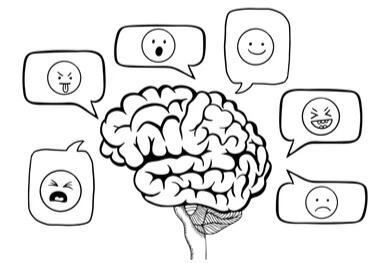
    Emotional Intelligence (EI) is the ability of a person to understand, manage, express, and influence the emotions of others. EI plays a key role in both personal and professional success.

    Developing emotional intelligence can be highly transformative for men. Society expects men to suppress emotions and appear strong. Emotional intelligence helps men handle stress better and become more confident as individuals, leaders, and partners.


    Key Components of Emotional Intelligence

    1. Self-Awareness – Accepting, recognizing, understanding, and reacting appropriately to emotions.
    2. Self-Regulation – Adapting to change calmly, staying in control, and managing impulsive reactions.
    3. Motivation – Staying motivated against all odds through both external and internal factors.
    4. Empathy – Understanding the situations, feelings, and perspectives of people around you, and reacting accordingly.
    5. Socialize – Building and maintaining healthy relationships through effective communication and managing conflicts, if any.

    These key components form the foundation of emotional maturity, which is essential for men in their personal and professional growth and stronger relationships.


    Why Emotional Intelligence Matters for Men

    Men are often raised with the idea that emotions are a sign of weakness, which creates a wall that prevents them from expressing themselves openly. The constant suppression and inner accumulation of emotions lead to:

    1. Bottled-up anger or frustration
    2. Strained relationships
    3. Increased stress or anxiety
    4. Difficulty in understanding others’ emotions
    5. Poor communication at work or home

    Emotional intelligence breaks this cycle and allows men to express themselves as they handle challenges and strengthen personal and professional connections.


    How Men Benefit from Emotional Intelligence

    1. Men become aware of their stress factors and triggers, allowing them to manage themselves well, prevent depression or emotional overload, and improve mental health.
    2. You start understanding and validating the thoughts and feelings of your partner, creating deeper emotional intimacy and trust while avoiding miscommunication. This reduces conflicts and helps build stronger relationships.
    3. Emotionally intelligent men can stay calm under pressure, empathize with colleagues, and manage conflicts and situations effectively, making them natural and effective leaders.
    4. Emotionally intelligent men understand situations first and then respond with clarity and confidence.
    5. Emotionally intelligent men tend to make better and wiser decisions as they remain calm, understand the situation, avoid impulsive actions, and think clearly even in stressful conditions — both personally and professionally.

    How to Develop Emotional Intelligence

    Learning is a lifelong process, and you must start today. To develop the skills of emotional intelligence, you must ask yourself and practice certain steps:

    1. Pay attention to your emotions and ask yourself questions like what, why, and how. You may write down or journal your thoughts. This act of self-awareness helps identify recurring patterns and triggers.
    2. Regulate your thoughts and emotions to manage them effectively and constructively. You may try to pause, take deep breaths, or engage in activities like walking, running, yoga, listening to calming music, or meditating before reacting. This way, you can stay in control of your actions.
    3. Practice empathy. Try to understand another person’s feelings. This can be done through active listening without judging or interrupting and asking open-ended questions if required. It’s a powerful skill that improves communication and relationships by creating deeper and more effective connections.
    4. Communicate clearly and effectively with confidence. Maintain good and confident body language, and ensure clarity in your words to prevent misunderstandings and strengthen mutual respect.
    5. Show courage and embrace vulnerability. Courage is not in suppressing your thoughts or emotions — it lies in presenting yourself with confidence and clarity. Men often suppress emotions for fear of being judged or labeled as weak.
    6. Have faith in yourself. Believe in your words and actions, and think positively. Constant or chronic stress can cloud your emotional judgment. Add activities like regular exercise, socializing, or journaling to keep your mind calm.
    7. Seek feedback. A person always sees his actions as true and correct, rarely finding discrepancies. So, ask your near and dear ones how they see you as a third person:
      a. How do you come across when you are criticized?
      b. Do you really listen when you are in a bad mood or being criticized?

    Challenges or Barriers to Emotional Growth

    1. Society often labels you as weak.
    2. People around you often start judging you.
    3. Men are usually not told or taught how to identify or process emotions.

    Resolving and overcoming these issues requires patience, compassion, and a willingness to learn afresh as you unlearn old beliefs. Emotional growth is about being genuine and self-aware, not about being perfect.


    Conclusion

    Courage and strength do not lie in the suppression of emotions, but in how effectively you manage, express, and present yourself. Building emotional intelligence allows men to lead with empathy, live with balance, and connect with others on a deeper, more human level.

  • कानूनी बंधनों के बिना स्थायी विश्वास कैसे बनाएं

    कानूनी बंधनों के बिना स्थायी विश्वास कैसे बनाएं

    परिचय

    जब भी हम किसी रिश्ते की बात करते हैं, तो अनजाने में हम भरोसे की ही बात करते हैं।
    रिश्ता चाहे प्रतिबद्ध हो या न हो, उसे जोड़े रखता है एक अदृश्य धागाभरोसा

    आज की दुनिया में बहुत से जोड़े बिना किसी कानूनी या धार्मिक बंधन के साथ रहते हैं। उन्हें जो जोड़े रखता है, वह है भरोसा, जो हर कठिन परिस्थिति में रिश्ते को थामे रखता है।


    भरोसा क्यों कानूनी रिश्तों से ज़्यादा अहम है

    भरोसा खरीदा या साइन किया नहीं जा सकता। यह किसी रस्म से नहीं आता। यह समय के साथ प्यार, ईमानदारी, और भावनात्मक परिपक्वता से बनता है।

    जब दो लोग एक-दूसरे को बिना किसी बाध्यता के चुनते हैं, तो रिश्ता स्वतंत्र रूप से सांस लेता है। वे सुरक्षित महसूस करते हैं क्योंकि वे एक-दूसरे को सच्चे रूप में स्वीकार करते हैं, न कि किसी स्वार्थ या दबाव के तहत।


    बिना शादी के रिश्ते में भरोसे को समझना

    ऐसे रिश्तों में भरोसा सिर्फ सुरक्षा का एहसास नहीं होता — इसमें कई परतें होती हैं:

    1. भावनात्मक भरोसा: खुद को बिना जज किए व्यक्त करने की स्वतंत्रता।
    2. ज़िम्मेदारी पर भरोसा: यह विश्वास कि आपका साथी अपने वादों को निभाएगा।
    3. उपस्थिति पर भरोसा: यह जानना कि आपका साथी हर स्थिति में आपके साथ रहेगा।

    भरोसा कैसे विकसित करें

    1. ईमानदार और स्पष्ट संवाद करें
      सच बोलें, ध्यान से सुनें और झूठ से बचें — यह रिश्ते की नींव को मज़बूत करता है।
    2. लगातार भरोसेमंद रहें
      छोटे-छोटे वादे निभाना भरोसे की सबसे बड़ी निशानी है। इससे साथी को लगता है, “मैं तुम पर भरोसा कर सकता हूँ।”
    3. सीमाओं और निजीपन का सम्मान करें
      हर व्यक्ति को अपना समय और निजी स्पेस चाहिए। इसे समझना और सम्मान देना रिश्ते में सुरक्षा और निष्ठा को बढ़ाता है।
    4. भावनात्मक रूप से उपलब्ध रहें
      मुश्किल समय में साथी का सहारा बनें। यह जुड़ाव को गहरा करता है।
    5. मतभेदों को परिपक्वता से सुलझाएं
      तकरार की बजाय संवाद करें।
      उदाहरण: “तुम कभी मुझे कॉल नहीं करते” की जगह “मुझे बुरा लगा जब तुमने कॉल नहीं किया” कहें।
    6. निरंतरता बनाए रखें
      भरोसा धीरे-धीरे बनता है — छोटी बातों में भरोसा बड़ी बातों की नींव रखता है।
    7. खुलकर बात करें
      डर या असुरक्षा छिपाने की बजाय उन्हें साझा करें। यह भावनात्मक अंतरंगता को बढ़ाता है।
    8. ईर्ष्या से बचें
      अपने साथी की सफलता का जश्न मनाएं। इससे संदेश जाता है कि “तुम्हारी तरक्की हमारे रिश्ते को नहीं डिगा सकती।”
    9. संशय खुलकर व्यक्त करें
      संदेहों को समय रहते साझा करें। स्पष्टता भरोसे को मज़बूत बनाती है।
    10. वफादार रहें — अपनी इच्छा से
      सच्ची वफादारी एक चयन है, बाध्यता नहीं। जब कोई व्यक्ति अपनी इच्छा से वफादार रहता है, तो यह प्रेम और सम्मान की सबसे सुंदर अभिव्यक्ति होती है।

    सामान्य चुनौतियाँ और उनका समाधान

    1. लंबी अवधि की सोच पर बात करें – स्पष्टता असुरक्षा को कम करती है।
    2. लोगों की बातों पर ध्यान न दें – “कुछ तो लोग कहेंगे।” दूसरों की राय आपके रिश्ते का भविष्य तय न करे।
    3. पारदर्शिता बनाए रखें – ऑनलाइन और वास्तविक जीवन दोनों में।
    4. लगातार संवाद बनाए रखें – नियमित बातचीत और भावनात्मक जुड़ाव भरोसे को मज़बूत रखता है।

    निष्कर्ष

    बिना कानूनी बंधन का भरोसा सबसे सच्चे प्रेम का प्रतीक है।
    यह बाध्यता नहीं, बल्कि चयन है।
    जब दो लोग हर दिन एक-दूसरे को फिर से चुनते हैं, तो वही सच्चे भरोसे और प्रेम का अर्थ है।

  • How to Build Lasting Trust Without Legal Ties

    How to Build Lasting Trust Without Legal Ties

    Introduction

    Whenever we talk about a relationship, we subconsciously talk about trust. No matter if the relationship is committed or not, it exists because of an invisible thread — trust — that holds it together.

    In today’s world, many couples choose to live together and share life deeply without any formal rituals or legal paperwork. What binds them is not law or social pressure, but the trust that keeps them connected through all the ups and downs life brings.


    Why Trust Matters More Than Legal Bonds

    Trust isn’t something you can buy, sign, or ritualize. It cannot be formed overnight; it is built slowly over time through consistent acts of love, honesty, transparency, and emotional maturity.

    When partners choose each other out of trust and not obligation, the relationship breathes freely. They feel secure not because of a legal tie, but because they are valued for their true selves, not for selfish reasons or external validation.


    Understanding Trust in an Unmarried Relationship

    Trust in such relationships goes beyond the usual sense of safety or security. It has multiple layers:

    1. Emotional trust: Feeling safe to express and share your emotions without judgment.
    2. Trust in responsibility: Believing that your partner will keep their word and act maturely.
    3. Trust in presence: Knowing your partner will stand by you through the highs and lows, helping the relationship grow positively.

    How to Develop This Trust

    1. Open and Honest Communication
      Speak clearly, share truthfully, and listen calmly. Avoid lies—they may seem small but can break the invisible thread of trust.
    2. Consistency and Keeping Promises
      Small, consistent actions speak louder than words. Keeping your word builds dependability, silently saying, “You can count on me.”
    3. Respect Boundaries and Privacy
      Give your partner the freedom to have personal space, friends, and “me time.” Respecting these boundaries fosters loyalty and security.
    4. Be Emotionally Available
      During tough times, be the person your partner can lean on. Emotional support deepens the feeling of connection and reliability.
    5. Handle Conflicts Maturely
      Disagreements are natural. Address them calmly rather than impulsively.
      Instead of saying, “You never care about me,” say, “I felt ignored when you didn’t call.”
    6. Be Consistent
      Trust grows when your partner sees reliability in small matters. This naturally extends to bigger challenges.
    7. Encourage Open Conversations
      Talk about insecurities, fears, and doubts. It invites emotional intimacy and bridges the gap between love and trust.
    8. Avoid Jealousy
      Celebrate each other’s growth. When you support your partner’s achievements, you show that love and trust are stronger than ego.
    9. Express and Clarify Doubts Early
      Discuss your feelings before they pile up. Clarity reduces misunderstandings and builds stronger emotional safety.
    10. Be Loyal — By Choice, Not Obligation
      True loyalty is a choice, not a rule. When someone stays loyal without being bound by law, it’s the purest expression of love and trust.

    Handling Common Challenges

    Unmarried couples may face social or emotional pressure that tests trust. Here’s how to manage them gracefully:

    1. Discuss Long-Term Intentions – Clarity replaces confusion and insecurity.
    2. Ignore Social Judgment – “Kuch toh log kahenge.” Don’t let others decide your happiness.
    3. Maintain Transparency – Be honest in both your real and online lives.
    4. Keep Communication Alive – Regular conversations, emotional check-ins, and shared routines help maintain trust even in long-distance relationships.

    Conclusion

    Trust built without legal ties is one of the purest forms of love.
    It’s born out of choice, not obligation.
    When two people choose each other freely, every new day becomes a renewed commitment — not because they have to, but because they want to.

  • रिश्ते के दर्जे से ज्यादा क्यों ज़रूरी है भावनात्मक परिपक्वता

    रिश्ते के दर्जे से ज्यादा क्यों ज़रूरी है भावनात्मक परिपक्वता

    🌸 रिश्ते के दर्जे से ज़्यादा क्यों ज़रूरी है भावनात्मक परिपक्वता

    (Why Emotional Maturity Matters More Than Relationship Status)


    परिचय (Introduction)

    भावनात्मक परिपक्वता किसी व्यक्ति की वह क्षमता है, जिससे वह अपनी भावनाओं को संभाल सके, विवादों को सुलझा सके और अपने शब्दों व कार्यों की ज़िम्मेदारी ले सके। यह किसी भी रिश्ते को कठिन समय, गलतफहमियों और चुनौतियों के दौरान बनाए रखने में महत्वपूर्ण भूमिका निभाती है। वास्तव में, भावनात्मक परिपक्वता आपके प्रेम की गुणवत्ता को रिश्ते के नाम या दर्जे से कहीं अधिक प्रभावित करती है।
    कई जोड़े सालों से साथ हैं, लेकिन फिर भी भरोसे, संवाद या सहानुभूति से जूझते रहते हैं; वहीं कुछ नए साथी गहरी समझ और सम्मान दिखाते हैं जो उनके रिश्ते को और स्थिर बनाता है।


    भावनात्मक परिपक्वता क्या है? (What Is Emotional Maturity?)

    भावनात्मक परिपक्वता का अर्थ है अपनी भावनाओं को समझना, उन्हें संतुलित तरीके से व्यक्त करना और संभालना। भावनात्मक रूप से परिपक्व व्यक्ति हर स्थिति में सोच-समझकर प्रतिक्रिया देते हैं, न कि आवेग में आकर। वे ईमानदारी और सम्मान के साथ संवाद करते हैं — बिना किसी को ठेस पहुँचाए या किसी प्रकार की चालबाज़ी किए।


    भावनात्मक रूप से परिपक्व व्यक्ति की विशेषताएँ:

    1. वे अपने शब्दों और कार्यों की पूरी ज़िम्मेदारी लेते हैं।
    2. वे ध्यान से और सहानुभूति के साथ सुनते हैं।
    3. वे जानते हैं कब और कैसे माफ़ी माँगनी और माफ़ करना है।
    4. वे ईमानदारी और आत्मविश्वास के साथ बात करते हैं, बिना आरोप या हेरफेर के।
    5. वे धैर्यपूर्वक और तार्किक रूप से विवादों को सुलझाते हैं।
    6. वे आत्म-जागरूकता और व्यक्तिगत विकास को महत्व देते हैं।
    7. वे अपनी स्वतंत्रता और रिश्ते के जुड़ाव के बीच संतुलन बनाए रखते हैं।

    भावनात्मक परिपक्वता कोई जन्मजात गुण नहीं, बल्कि आत्मचिंतन, सहानुभूति और अनुभव से सीखी जाने वाली एक कला है — और इसका उम्र से कोई संबंध नहीं।


    क्यों रिश्ते का दर्जा भावनात्मक स्थिरता की गारंटी नहीं देता

    सीधे शब्दों में कहें तो, भावनात्मक परिपक्वता यह दिखाती है कि आप दूसरों से कितनी प्रभावी तरीके से जुड़ते हैं। यह एक व्यक्तिगत क्षमता है जो चाहे आप किसी रिश्ते में हों या नहीं, विकसित की जा सकती है।

    उदाहरण के तौर पर:

    1. कई विवाहित जोड़े झगड़ों, ईर्ष्या या मनोवैज्ञानिक खेलों से जूझते हैं — यह भावनात्मक अपरिपक्वता का संकेत है।
    2. कोई अविवाहित व्यक्ति जो अपनी सीमाओं और आत्म-सम्मान का ध्यान रखता है, भावनात्मक रूप से परिपक्व कहलाता है।
    3. वहीं कुछ लोग जो रिश्ते में हैं, लगातार ध्यान या मान्यता की तलाश में रहते हैं — यह भावनात्मक निर्भरता है, जो स्वस्थ रिश्ता नहीं कहलाती।

    इसलिए स्पष्ट है कि किसी रिश्ते में होना और भावनात्मक रूप से परिपक्व होना दो अलग बातें हैं।


    कैसे भावनात्मक परिपक्वता रिश्तों को बदल देती है

    जब दोनों साथी भावनात्मक रूप से परिपक्व होते हैं, तो रिश्ता सुरक्षित, स्थिर और संतोषजनक महसूस होता है क्योंकि:

    1. वे कठिन वार्तालापों से नहीं भागते, बल्कि एक-दूसरे को समझने के लिए सुनते हैं और सोच-समझकर कदम उठाते हैं।
    2. भावनात्मक परिपक्वता भय की जगह भरोसे को जन्म देती है, जिससे दोनों साथी खुद को आज़ाद और सुरक्षित महसूस करते हैं।
    3. ऐसा रिश्ता भावनात्मक रूप से सुरक्षित होता है, जहाँ दोनों बिना किसी डर या निर्णय के अपनी ज़रूरतें, भावनाएँ और डर व्यक्त कर सकते हैं — इससे व्यक्तिगत और पेशेवर दोनों स्तरों पर विकास होता है।
    4. परिपक्व जोड़े चुनौतियों का सामना साथ में करते हैं, न कि एक-दूसरे पर दोष डालते हैं। वे ज़रूरत पड़ने पर सलाह या सहायता लेने में संकोच नहीं करते।
    5. वे सीमाओं का सम्मान करते हैं और विवाद के समय भी शांति व सम्मान से संवाद करके समाधान निकालते हैं।

    भावनात्मक परिपक्वता कैसे विकसित करें

    भावनात्मक परिपक्वता एक आजीवन प्रक्रिया है, जो आत्म-जागरूकता और सचेत अभ्यास से विकसित होती है — चाहे आप किसी रिश्ते में हों या नहीं।

    1. अपनी प्रतिक्रियाओं के ट्रिगर्स पहचानें। यही बदलाव की पहली सीढ़ी है।
    2. अपनी भावनाओं को स्पष्टता से व्यक्त करें। ईमानदार और स्पष्ट संवाद ही रिश्तों की नींव है।
    3. सहानुभूति और दयालुता का अभ्यास करें। इससे अहंकार आधारित प्रतिक्रियाएँ कम होती हैं और समझ बढ़ती है।
    4. ध्यान और माइंडफुलनेस अपनाएँ। यह आपको शांत और संतुलित बनाए रखता है।
    5. स्वस्थ सीमाएँ तय करें और उनका सम्मान करें। सीमाएँ आत्म-सम्मान और रिश्तों दोनों को मज़बूत करती हैं।
    6. गलतियों से सीखें। पूर्णता नहीं, प्रगति पर ध्यान दें — विकास ही सफलता है।

    क्यों भावनात्मक परिपक्वता को रिश्ते के दर्जे से ज़्यादा प्राथमिकता देनी चाहिए

    एक बेहतर इंसान बनने की शुरुआत खुद के और दूसरों के प्रति सम्मान से होती है। प्यार और सम्मान हमेशा पारस्परिक होते हैं — आप वही पाते हैं जो आप देते हैं।
    सच्चा रिश्ता सामाजिक पहचान या “रिलेशनशिप स्टेटस” से नहीं, बल्कि आत्म-जागरूकता, सम्मान और विकास से बनता है।

    खुद पर ध्यान देना स्वार्थी नहीं है — यह बुद्धिमानी है। भावनात्मक रूप से परिपक्व लोग कठिन समय में स्थिरता लाते हैं, जबकि अपरिपक्वता अच्छी परिस्थितियों में भी अराजकता पैदा कर सकती है।
    आपका रिश्ता समाज को प्रभावित कर सकता है, लेकिन आपकी भावनात्मक स्थिरता आपको भीतर से शांत और संतुष्ट रखेगी।


    निष्कर्ष (Conclusion)

    भावनात्मक परिपक्वता ही वह कला है जो प्यार को साझेदारी में और जुनून को उद्देश्य में बदल देती है। शांत, जागरूक और स्पष्ट संवाद आपकी खुशियों की कुंजी हैं।
    रिश्ते का दर्जा समय के साथ बदल सकता है, लेकिन भावनात्मक परिपक्वता सुनिश्चित करती है कि आप हमेशा प्यार, सम्मान और सराहना के पात्र बने रहें — चाहे आप अकेले हों या किसी रिश्ते में।

  • Why Emotional Maturity Matters More Than Relationship Status

    Why Emotional Maturity Matters More Than Relationship Status

    Why Emotional Maturity Matters More Than Relationship Status

    Introduction

    Emotional maturity is defined by one’s ability to handle emotions, manage conflicts, and take responsibility for their words and actions. It plays a crucial role in sustaining a relationship during times of misunderstanding, challenges, or faded excitement. In fact, emotional maturity shapes the quality of your love far more than any relationship label. Many couples who have been together for years still struggle with trust, communication, or empathy — while some new partners display deep understanding and respect that feel far more stable.


    What Is Emotional Maturity?

    Emotional maturity is the ability to understand, manage, and express emotions in a balanced and healthy way. Emotionally mature individuals respond thoughtfully rather than reacting impulsively. They communicate with honesty and respect — without being hurtful or manipulative.

    Qualities of an Emotionally Mature Person:

    1. They take responsibility for their words and actions.
    2. They are active and empathetic listeners.
    3. They know how and when to apologize and forgive.
    4. They communicate honestly and confidently without manipulation or blame.
    5. They handle conflicts with patience and logic.
    6. They value personal growth and self-awareness.
    7. They maintain independence while nurturing togetherness.

    Emotional maturity is a skill developed intentionally through self-reflection and empathy — and it has nothing to do with age.


    Why Relationship Status Doesn’t Guarantee Emotional Stability

    Emotional maturity reflects how effectively you relate to others. It’s a personal skill that can exist in both committed and single individuals. Relationship status alone doesn’t determine emotional stability. For example:

    1. Married couples may still struggle with fights, jealousy, or manipulation — showing commitment without emotional maturity.
    2. A single person who values boundaries and self-respect can be emotionally mature.
    3. Some partners in relationships constantly seek attention and validation — a sign of emotional dependence rather than a healthy bond.

    In short, being “in a relationship” is very different from being emotionally mature.


    How Emotional Maturity Transforms Relationships

    When both partners are emotionally mature, the relationship feels safe, grounded, and fulfilling because:

    1. They don’t avoid difficult conversations — they listen to understand and act thoughtfully, minimizing misunderstandings.
    2. Emotional maturity replaces fear with trust, allowing both partners to feel free and secure.
    3. It creates an emotionally safe space where both can express their fears, needs, and vulnerabilities without judgment — enabling authentic growth in personal and professional life.
    4. Emotionally mature couples face challenges together rather than blaming or avoiding each other. They seek support when needed to keep their bond strong.
    5. They respect boundaries, communicate calmly during conflicts, and work toward solutions instead of escalating tension.

    How to Develop Emotional Maturity

    Developing emotional maturity is a lifelong journey that grows through self-awareness and conscious practice — regardless of relationship status.

    1. Be aware of your triggers. Awareness is the first step toward positive change.
    2. Express emotions clearly. Communicate your feelings with honesty and clarity.
    3. Practice empathy and kindness. These reduce ego-driven reactions and build understanding.
    4. Stay calm through mindfulness. Meditation and self-reflection help manage emotions.
    5. Set and respect boundaries. Healthy boundaries strengthen relationships and self-respect.
    6. Learn from mistakes. Focus on growth, not perfection — progress matters more than flawlessness.

    Why Emotional Maturity Should Be a Priority Over Relationship Status

    Becoming a better human being begins with respecting yourself and others. Love and respect are mutual — you reap what you sow. True connection grows from emotional awareness, self-respect, and personal development, not from a relationship status or social validation.

    Focusing on yourself before focusing on a label is not selfish — it’s wise. Emotionally mature people bring stability even in challenging times, while emotional immaturity can create chaos even in good times. Your relationship status may impress society, but emotional maturity brings lasting peace, happiness, and self-contentment.


    Conclusion

    It’s emotional maturity that turns love into partnership and passion into purpose. Stay calm, self-aware, and clear in communication — and you’ll find true stability and happiness. Relationship status may change with time, but emotional maturity ensures that you remain loved, respected, and valued — both as an individual and as a partner.

  • The Impact of Stress on Testosterone and Mood

    The Impact of Stress on Testosterone and Mood

    The Impact of Stress on Testosterone and Mood

    Introduction

    In today’s fast-paced world, stress has become a constant companion for almost everyone — whether it comes from personal responsibilities, professional challenges, or daily life pressures. Chronic or prolonged stress gradually drains both physical and emotional health. It also elevates cortisol — the stress hormone — and disrupts other essential hormones.

    One often-overlooked consequence of stress is its effect on the male reproductive hormone — testosterone.
    To understand this impact, it’s important to explore the connection between stress, testosterone, and mood, since testosterone not only governs male reproductive health but also plays a vital role in maintaining energy, confidence, and emotional stability.


    What Is Testosterone and Why It Matters

    Testosterone is a key hormone primarily produced in the testes in men and, to a lesser extent, in the ovaries and adrenal glands in women. It regulates:

    1. Sexual functioning and libido
    2. Muscle mass and physical strength
    3. Bone density
    4. Mental clarity, focus, and mood
    5. Energy levels
    6. Motivation

    When testosterone levels are balanced, men generally experience better mental focus, motivation, and emotional stability. However, a decline in testosterone can lead to noticeable changes in behavior, mood, and overall vitality.


    How Stress Affects Testosterone

    The human body has an in-built defense mechanism. When exposed to stress, it activates the “fight or flight” response through the hypothalamic-pituitary-adrenal (HPA) axis, releasing stress hormones like cortisol and adrenaline.

    While short-term stress responses can be beneficial, chronic stress keeps cortisol levels elevated — which suppresses testosterone production in several ways:

    1. Hormonal Prioritization and Balance
      When the body continuously releases cortisol, it prioritizes managing stress over other functions such as reproduction and muscle growth, reducing testosterone synthesis.
    2. Impact on the Pituitary Gland
      Persistently high cortisol sends a signal to the pituitary gland to reduce the release of luteinizing hormone (LH), which in turn slows down testosterone production in the testes.
    3. Sleep Disruption
      Stress often leads to an overactive mind and disturbed sleep patterns. Since most testosterone is produced during deep sleep, poor sleep quality directly lowers testosterone levels.
    4. Increased Inflammation
      Chronic stress promotes inflammation in the body, which disrupts the normal hormonal balance and contributes to fatigue, low energy, and mood changes.

    Testosterone and Its Effect on Mood

    Testosterone influences key neurotransmitters like dopamine and serotonin, which regulate emotional balance, happiness, and motivation.

    When testosterone levels drop, men may experience:

    1. Irritability and mood swings
    2. Lack of motivation or self-drive
    3. Persistent fatigue or burnout
    4. Loss of confidence
    5. Symptoms of anxiety or depression
    6. Decreased libido and satisfaction

    This creates a vicious cycle — stress increases cortisol, high cortisol lowers testosterone, and reduced testosterone further worsens mood and emotional resilience, feeding back into higher stress.


    Scientific Evidence and Studies

    • The Journal of Clinical Endocrinology & Metabolism found that men under prolonged psychological stress had significantly lower testosterone levels than those with lower stress exposure.
    • Harvard Health reports that cortisol acts as a natural testosterone suppressor; chronic stress leads to a steady decline in testosterone.
    • The American Journal of Men’s Health observed that men with low testosterone often reported higher rates of anxiety and depression.

    These studies make it clear that managing stress is essential — not only for emotional balance but also for maintaining hormonal health.


    Managing Stress and Supporting Testosterone

    Here are some effective ways to manage stress and naturally support testosterone production:

    1. Prioritize Sleep
      Aim for at least 7–8 hours of deep, restful sleep every night. Testosterone production peaks during deep sleep, making quality rest non-negotiable.
    2. Eat a Balanced, Nutrient-Rich Diet
      Include foods that support hormone balance:
      • Zinc-rich foods: eggs, nuts, seeds, and seafood
      • Healthy fats: olive oil, avocados, and fatty fish
      • Complex carbs: whole grains and vegetables
        Avoid processed foods and excess sugar, as they can elevate cortisol levels.
    3. Exercise Regularly
      Engage in strength training and high-intensity interval training (HIIT). These not only boost testosterone naturally but also reduce stress and improve mood.
    4. Manage Stress Mindfully
      Incorporate stress-relief habits like meditation, yoga, journaling, deep breathing, or spending time in nature. These help lower cortisol and bring emotional balance.
    5. Avoid Harmful Habits
      Smoking and excessive alcohol consumption can negatively affect testosterone production. Reducing or eliminating them supports hormone health.
    6. Stay Connected and Seek Support
      Sharing your thoughts and feelings with friends, family, or professionals can lighten emotional burdens and prevent stress from building up.

    When to Seek Medical Help

    If symptoms such as fatigue, irritability, or low libido persist despite lifestyle improvements, it may be time to consult a healthcare provider. A simple hormone test can help identify imbalances and guide further treatment.


    Conclusion

    Stress doesn’t just affect mental peace — it influences the body’s chemistry, energy, and confidence. Chronic stress can silently erode both hormonal and emotional balance. Elevated cortisol suppresses testosterone, creating a cycle of fatigue, anxiety, and low mood.

    By adopting a holistic lifestyle — including better sleep, nutrition, movement, and mindfulness — it’s possible to restore hormonal balance and reclaim emotional strength, even in today’s stressful world.

  • तनाव का टेस्टोस्टेरोन और मूड पर प्रभाव

    तनाव का टेस्टोस्टेरोन और मूड पर प्रभाव

    🧠 तनाव का टेस्टोस्टेरोन और मूड पर प्रभाव

    परिचय (Introduction)

    आज के समय में तनाव लगभग हर व्यक्ति का साथी बन चुका है — चाहे वह व्यक्तिगत जिम्मेदारियाँ हों या पेशेवर चुनौतियाँ।
    लगातार या दीर्घकालिक तनाव (chronic stress) शरीर और मन दोनों की ऊर्जा को धीरे-धीरे खत्म कर देता है। यह स्थिति कॉर्टिसोल (Cortisol) नामक तनाव हार्मोन के स्तर को बढ़ा देती है, जो शरीर की कई प्रक्रियाओं को प्रभावित करता है।
    अक्सर इस दौरान सबसे नज़रअंदाज़ किया जाने वाला प्रभाव होता है — पुरुषों के प्रजनन हार्मोन टेस्टोस्टेरोन (Testosterone) पर पड़ने वाला असर।

    टेस्टोस्टेरोन केवल यौन स्वास्थ्य से ही नहीं जुड़ा, बल्कि यह ऊर्जा, आत्मविश्वास और मानसिक स्थिरता बनाए रखने में भी महत्वपूर्ण भूमिका निभाता है। इसलिए तनाव, टेस्टोस्टेरोन और मूड — इन तीनों के बीच संबंध को समझना बेहद जरूरी है।


    टेस्टोस्टेरोन क्या है और यह क्यों महत्वपूर्ण है (What Is Testosterone and Why It Matters)

    टेस्टोस्टेरोन एक प्रमुख हार्मोन है जो मुख्य रूप से पुरुषों में वृषण (Testes) में और थोड़ी मात्रा में महिलाओं में अंडाशय (Ovaries) तथा एड्रिनल ग्रंथियों (Adrenal glands) में बनता है। यह हार्मोन शरीर की कई क्रियाओं को नियंत्रित करता है, जैसे:

    1. यौन इच्छा और यौन क्षमता
    2. मांसपेशियों की मजबूती और द्रव्यमान
    3. हड्डियों की घनत्व (Bone Density)
    4. मानसिक स्पष्टता, ध्यान और मूड
    5. ऊर्जा स्तर और प्रेरणा

    जब टेस्टोस्टेरोन का स्तर संतुलित रहता है, तब व्यक्ति अधिक ऊर्जावान, केंद्रित और आत्मविश्वासी महसूस करता है। लेकिन जब इसका स्तर गिरने लगता है, तो यह सीधे मूड और व्यवहार को प्रभावित करता है।


    तनाव टेस्टोस्टेरोन को कैसे प्रभावित करता है (How Stress Affects Testosterone)

    मानव शरीर में एक स्वाभाविक “fight or flight” तंत्र होता है — यानी किसी भी तनावपूर्ण स्थिति में शरीर तुरंत प्रतिक्रिया देता है। इस प्रक्रिया में हाइपोथैलेमिक-पिट्यूटरी-एड्रिनल (HPA) एक्सिस सक्रिय होता है और कॉर्टिसोल व एड्रेनालिन जैसे हार्मोन रिलीज़ होते हैं।

    यह प्रतिक्रिया अल्पकालिक तनाव में मददगार होती है, लेकिन दीर्घकालिक तनाव (chronic stress) कॉर्टिसोल के स्तर को लंबे समय तक ऊँचा रखता है, जिससे टेस्टोस्टेरोन का उत्पादन घटने लगता है।

    मुख्य कारण इस प्रकार हैं:

    1. हार्मोनल प्राथमिकता में बदलाव:
      लगातार तनाव की स्थिति में शरीर का ध्यान प्रजनन या मांसपेशियों के निर्माण से हटकर तनाव प्रबंधन पर केंद्रित हो जाता है। नतीजतन, टेस्टोस्टेरोन का उत्पादन घट जाता है।
    2. पिट्यूटरी ग्रंथि पर प्रभाव:
      उच्च कॉर्टिसोल स्तर पिट्यूटरी ग्रंथि को संकेत देता है कि वह ल्यूटिनाइजिंग हार्मोन (LH) का उत्पादन धीमा करे। यह हार्मोन वृषण को टेस्टोस्टेरोन बनाने के लिए प्रेरित करता है।
    3. नींद पर प्रभाव:
      लगातार तनाव से दिमाग अत्यधिक सक्रिय रहता है, जिससे अनिद्रा या खराब नींद की समस्या बढ़ती है। गहरी नींद के दौरान ही शरीर में टेस्टोस्टेरोन का अधिकांश उत्पादन होता है, इसलिए नींद की कमी इसका स्तर घटा देती है।
    4. सूजन में वृद्धि (Inflammation):
      तनाव शरीर में सूजन बढ़ाता है, जिससे हार्मोनल प्रणाली का सामान्य कार्य बाधित होता है और व्यक्ति शारीरिक व मानसिक रूप से थका हुआ महसूस करता है।
    5. टेस्टोस्टेरोन और मूड का संबंध:
      टेस्टोस्टेरोन डोपामिन और सेरोटोनिन जैसे न्यूरोट्रांसमीटर को प्रभावित करता है, जो खुशी, प्रेरणा और भावनात्मक स्थिरता बनाए रखने के लिए जिम्मेदार हैं।

    टेस्टोस्टेरोन के घटने पर देखे जाने वाले लक्षण (Effects of Low Testosterone Levels)

    टेस्टोस्टेरोन के स्तर में कमी आने पर पुरुषों में निम्न लक्षण दिखाई दे सकते हैं:

    1. चिड़चिड़ापन और गुस्सा
    2. मूड स्विंग्स
    3. प्रेरणा या आत्म-उत्साह में कमी
    4. थकान या शारीरिक कमजोरी
    5. आत्मविश्वास की कमी
    6. अवसाद या चिंता के लक्षण
    7. यौन इच्छा और संतुष्टि में कमी

    यह एक दुष्चक्र (vicious cycle) बन जाता है —
    तनाव → कॉर्टिसोल बढ़ता है → टेस्टोस्टेरोन घटता है → मूड खराब होता है → तनाव और बढ़ता है।


    वैज्ञानिक तथ्य और अध्ययन (Scientific Facts and Studies)

    विभिन्न अध्ययनों ने तनाव, टेस्टोस्टेरोन और मूड के बीच गहरा संबंध साबित किया है:

    • Journal of Clinical Endocrinology & Metabolism के अनुसार, लंबे समय तक मानसिक तनाव झेलने वाले पुरुषों में टेस्टोस्टेरोन स्तर कम पाया गया।
    • Harvard Health के अनुसार, कॉर्टिसोल स्वाभाविक रूप से टेस्टोस्टेरोन को दबाने का काम करता है।
    • American Journal of Men’s Health ने बताया कि कम टेस्टोस्टेरोन वाले पुरुषों में चिंता और अवसाद के लक्षण अधिक पाए जाते हैं।

    इन निष्कर्षों से स्पष्ट है कि तनाव का प्रबंधन सिर्फ मानसिक शांति के लिए ही नहीं, बल्कि हार्मोनल स्वास्थ्य के लिए भी आवश्यक है।


    तनाव को नियंत्रित करने और टेस्टोस्टेरोन को संतुलित रखने के तरीके (Managing Stress and Supporting Testosterone)

    1. हर रात 7–8 घंटे की गहरी नींद लें।
      गहरी नींद टेस्टोस्टेरोन उत्पादन के लिए सबसे अहम समय होती है।
    2. संतुलित और पोषक आहार लें।
      हार्मोनल संतुलन बनाए रखने के लिए ज़िंक, हेल्दी फैट्स और कॉम्प्लेक्स कार्बोहाइड्रेट वाले खाद्य पदार्थ शामिल करें:
      • ज़िंक से भरपूर खाद्य पदार्थ: अंडे, मेवे, बीज, समुद्री भोजन
      • हेल्दी फैट्स: ऑलिव ऑयल, एवोकाडो, फैटी फिश
      • जटिल कार्ब्स: साबुत अनाज और सब्जियाँ
        प्रोसेस्ड फूड और अधिक चीनी से बचें क्योंकि ये कॉर्टिसोल बढ़ाते हैं।
    3. नियमित व्यायाम करें।
      स्ट्रेंथ ट्रेनिंग और HIIT (High-Intensity Interval Training) न केवल टेस्टोस्टेरोन बढ़ाते हैं, बल्कि तनाव को भी घटाते हैं।
    4. मनोवैज्ञानिक रूप से तनाव को नियंत्रित करें।
      ध्यान, योग, गहरी सांस लेना, जर्नलिंग या प्रकृति में समय बिताना — ये सभी तरीके कॉर्टिसोल घटाकर मन को शांत करते हैं।
    5. धूम्रपान और शराब से दूरी रखें।
      ये आदतें हार्मोन उत्पादन पर नकारात्मक प्रभाव डालती हैं। इन्हें सीमित या बंद करने से संतुलन बहाल होता है।
    6. सामाजिक रूप से जुड़े रहें।
      तनाव कम करने के लिए दोस्तों, परिवार या किसी विशेषज्ञ से बात करें। साझा करने से मन हल्का होता है और भावनात्मक समर्थन मिलता है।

    कब लें चिकित्सा सलाह (When to Seek Medical Help)

    यदि जीवनशैली में बदलाव के बावजूद लगातार थकान, चिड़चिड़ापन या यौन इच्छा में कमी जैसी समस्याएँ बनी रहें, तो किसी एंडोक्राइनोलॉजिस्ट या स्वास्थ्य विशेषज्ञ से परामर्श लेना जरूरी है।


    निष्कर्ष (Conclusion)

    तनाव केवल मानसिक शांति छीनता नहीं, बल्कि शरीर के हार्मोनल संतुलन को भी प्रभावित करता है।
    लगातार तनाव कॉर्टिसोल बढ़ाता है और टेस्टोस्टेरोन घटाता है, जिससे थकान, चिड़चिड़ापन और प्रेरणा की कमी जैसे लक्षण उत्पन्न होते हैं।
    परंतु, संतुलित जीवनशैली, सही आहार, व्यायाम और मानसिक शांति के अभ्यास से इस चक्र को तोड़ा जा सकता है।
    तनाव पर नियंत्रण रखकर न केवल मन बल्कि शरीर भी ऊर्जा और आत्मविश्वास से भर जाता है। 🌿

  • अविवाहित रिश्ते में असुरक्षाओं से कैसे निपटें

    अविवाहित रिश्ते में असुरक्षाओं से कैसे निपटें

    💖 अविवाहित रिश्ते में असुरक्षाओं से निपटना

    परिचय (Introduction)

    चाहे कोई अकेला हो या रिश्ते में, विवाहित हो या अविवाहित — हर व्यक्ति के मन में कुछ न कुछ संदेह और असुरक्षाएँ होती हैं। यह बिल्कुल सामान्य है क्योंकि यह मानवीय स्वभाव का हिस्सा है।
    हालांकि, जब रिश्ता औपचारिक या सामाजिक रूप से मान्यता प्राप्त नहीं होता, तो ये असुरक्षाएँ और भी बढ़ सकती हैं। अगर इन्हें समय रहते संभाला न जाए, तो ये एक खूबसूरत रिश्ते की मिठास को धीरे-धीरे खत्म कर सकती हैं।
    सही समय पर समझदारी और संवाद से इन असुरक्षाओं को आसानी से संभाला जा सकता है।


    रिश्तों में असुरक्षाओं को समझना (Understanding Insecurities in Relationships)

    असुरक्षा का होना यह दर्शाता है कि आप अपने साथी की परवाह करते हैं और कहीं न कहीं उन्हें खोने का डर महसूस करते हैं।
    लेकिन यह डर अगर संतुलित न रहे, तो रिश्ते में तनाव और दूरी पैदा कर सकता है।
    असुरक्षा की भावना कई कारणों से उत्पन्न हो सकती है, जैसे:

    1. लंबी अवधि की स्पष्टता की कमी, जिससे मन में सवाल उठते हैं —
      • क्या हम कभी शादी करेंगे?
      • आगे क्या होगा?
      • क्या हमारे परिवार हमें स्वीकार करेंगे?
      • क्या मैं उनके लिए सिर्फ समय बिताने का साधन हूँ?
    2. पिछले रिश्ते में मिले धोखे या आघात (Trauma)
    3. त्यागे जाने का डर (Fear of abandonment)
    4. परिवार या समाज द्वारा अस्वीकार किए जाने का डर
    5. सामाजिक तुलना और अवास्तविक अपेक्षाएँ, विशेषकर सोशल मीडिया के कारण।

    अविवाहित रिश्ते पर असुरक्षाओं का प्रभाव (Effects of Insecurities on an Unmarried Relationship)

    अगर असुरक्षाओं को नियंत्रित न किया जाए, तो यह प्यार, विश्वास और समझ को कमजोर कर देती हैं।
    इनके प्रभाव निम्न रूप में दिखाई देते हैं:

    1. लगातार आश्वासन की आवश्यकता — “क्या तुम मुझसे प्यार करते हो?”, “क्या तुम्हें मेरी याद आती है?” जैसे सवालों से साथी पर भावनात्मक दबाव बढ़ जाता है।
    2. कॉल या संदेश का तुरंत जवाब न मिलने पर बेचैनी और चिंता।
    3. हर बात या व्यवहार को गलत अर्थ में लेना, जैसे “अब उसे मेरी परवाह नहीं रही।”
    4. जलन या तुलना की भावना, खासकर अगर साथी का अतीत पता चल जाए, जिससे अधिकार जमाने या नियंत्रण करने की प्रवृत्ति बढ़ जाती है।
    5. इंकार या अस्वीकार के डर से भावनात्मक दूरी बनाना, जिससे रिश्ते में भ्रम और संदेह पैदा होते हैं।
    6. गलतफहमियाँ और अविश्वास, जो बार-बार झगड़े और भावनात्मक थकान का कारण बनते हैं।

    इन असुरक्षाओं को कैसे संभालें (How to Manage These Insecurities)

    सबसे पहला कदम है यह स्वीकार करना कि आपके अंदर असुरक्षा है।
    जब आप इसे पहचान लेते हैं, तभी आप इसे नियंत्रित कर सकते हैं।
    इसके लिए दोनों साथियों का मिलकर प्रयास करना जरूरी है।

    1. अपनी असुरक्षा को पहचानें और स्वीकार करें – जागरूकता नियंत्रण लाती है।
    2. साथी से खुलकर और शांति से बातचीत करें – ईमानदार संवाद से भरोसा और समझ बढ़ती है।
    3. स्वयं पर काम करें – बार-बार आश्वासन की जरूरत अक्सर आत्म-सम्मान की कमी दर्शाती है। आत्म-प्रेम और आत्म-देखभाल का अभ्यास करें।
    4. दूसरों से तुलना न करें – हर रिश्ता अलग होता है। तुलना सिर्फ असंतोष और निराशा लाती है।
    5. पारदर्शी और ईमानदार रहें – छोटी-छोटी सराहनाएँ, वादे निभाना और देखभाल करना रिश्ते को सुरक्षित बनाते हैं।
    6. वर्तमान में जिएं – “आगे क्या होगा” की चिंता छोड़ें। आज के रिश्ते को मजबूत बनाना ही भविष्य को सुरक्षित बनाता है।
    7. पिछले दर्द से उबरें – पुराने घाव अगर भरे नहीं हैं तो वे नए रिश्ते को प्रभावित करेंगे। ज़रूरत हो तो जर्नलिंग या थेरेपी लें।
    8. सीमाएँ तय करें (Boundaries set करें) – अगर सोशल मीडिया, तुलना या समय की कमी जैसी बातें असुरक्षा बढ़ाती हैं, तो मिलकर समाधान तय करें।
    9. कृतज्ञता और सकारात्मकता का अभ्यास करें – जो अच्छा चल रहा है उस पर ध्यान दें। इससे डर की जगह प्यार और सुकून बढ़ता है।
    10. पेशेवर मदद लें – अगर असुरक्षाएँ मानसिक शांति को प्रभावित कर रही हैं, तो किसी रिश्ते विशेषज्ञ या काउंसलर से सलाह लें।

    साथी की भूमिका (Role of Partners)

    एक समझदार और सहानुभूतिपूर्ण साथी असुरक्षाओं को दूर करने में बहुत मददगार साबित होता है।
    ऐसे साथी का व्यवहार कुछ इस प्रकार होना चाहिए:

    1. सौम्य आश्वासन देना
    2. ईमानदारी और पारदर्शिता बनाए रखना
    3. सक्रिय रूप से सुनना और संवाद करना
    4. परस्पर सम्मान बनाए रखना
    5. कद्र और आभार प्रकट करना

    एक मजबूत रिश्ता दोनों की बराबर भागीदारी से बनता है।
    प्यार और समर्थन — यही किसी भी असुरक्षा की दवा है।


    कब असुरक्षा “रेड फ्लैग” बन जाती है (When Insecurities Become Red Flags)

    अगर असुरक्षा अत्यधिक नियंत्रण, जलन, आरोप, भावनात्मक दबाव या निजी सीमाएँ तोड़ने जैसी हरकतों में बदल जाए — तो यह टॉक्सिक व्यवहार का संकेत है।
    ऐसी स्थिति में सीमाएँ तय करना या रिश्ते पर पुनर्विचार करना जरूरी होता है।
    किसी को भी डर या भावनात्मक दबाव में रहकर रिश्ते को निभाने की ज़रूरत नहीं है।


    निष्कर्ष (Conclusion)

    असुरक्षाएँ मानवीय स्वभाव का हिस्सा हैं। भविष्य की अनिश्चितता और आत्म-संदेह इन्हें बढ़ाते हैं।
    लेकिन अगर इन्हें सही समय पर समझदारी, विश्वास और खुलकर संवाद से संभाला जाए, तो रिश्ता और भी मजबूत हो सकता है।
    साथ में मिलकर प्रयास करने से प्यार, भरोसा और भावनात्मक जुड़ाव और गहरा होता है — और रिश्ता खिल उठता है। 🌷

  • Handling Insecurities in an Unmarried Relationship

    Handling Insecurities in an Unmarried Relationship

    Handling Insecurities in an Unmarried Relationship

    Introduction

    Whether single or in a relationship, married or unmarried, everyone experiences doubts and insecurities — it’s a natural part of being human. However, these feelings often intensify in unmarried relationships, where the absence of formal commitment or societal acceptance can make the bond feel uncertain.
    If left unchecked, insecurities can slowly erode the joy and connection between partners. Understanding and managing them early helps maintain love, peace, and emotional balance.


    Understanding Insecurities in Relationships

    The presence of insecurity often reflects care and fear — fear of losing someone or being unworthy of love. While it’s normal, managing it consciously is essential for a healthy relationship.

    Some common causes of insecurity include:

    1. Lack of long-term clarity, leading to questions like:
      • Will we ever get married?
      • What’s next for us?
      • Will our families accept this relationship?
      • Am I just a temporary phase in their life?
    2. Past trauma or betrayal from earlier relationships.
    3. Fear of abandonment or being replaced.
    4. Fear of rejection from family or loved ones.
    5. Social comparison and unrealistic expectations, often amplified by social media.

    Effects of Insecurities on an Unmarried Relationship

    Unchecked insecurities can cloud love with doubt and drain emotional energy. They may show up as:

    1. Constant need for validation — frequently seeking reassurance with phrases like “Do you love me?” or “Do you miss me?” can emotionally burden the partner.
    2. Anxiety and overthinking when calls or messages aren’t replied to immediately.
    3. Misinterpretation of words or gestures, leading to unnecessary assumptions such as “They’re losing interest.”
    4. Jealousy and comparison, especially if past relationships are known, leading to possessiveness or controlling behavior.
    5. Emotional withdrawal due to fear of rejection, causing confusion and emotional distance.
    6. Repeated conflicts and emotional fatigue arising from misunderstandings and lack of trust.

    How to Manage These Insecurities

    Recognizing that insecurities exist is the first and most powerful step toward overcoming them. Healing requires awareness, communication, and consistent effort from both partners.

    1. Acknowledge your insecurity – Identify what triggers it. Awareness brings control.
    2. Communicate openly and calmly – Invite your partner for honest, judgment-free conversations to build trust and understanding.
    3. Work on your self-esteem – The need for constant validation often signals low self-worth. Practice self-care, self-love, and mindfulness.
    4. Avoid comparisons – Every person and relationship is unique. Comparing your bond with others only breeds dissatisfaction.
    5. Be transparent and consistent – Keep promises, express appreciation, and nurture emotional security through small, thoughtful acts.
    6. Stay present – Worrying about “what’s next” can fuel anxiety. Focus on building a strong present that naturally shapes a secure future.
    7. Heal from the past – Unresolved wounds can reappear as fear or mistrust. Journaling, therapy, or coaching can help you process and move forward.
    8. Set healthy boundaries – If certain triggers (like social media behavior or lack of time together) cause discomfort, discuss and agree on boundaries that protect both partners’ emotional health.
    9. Practice gratitude and positivity – Shifting focus from fear to appreciation brings emotional warmth and peace.
    10. Seek professional help when needed – If insecurity starts affecting your mental health, consulting a relationship counselor or therapist can help you uncover root causes and heal effectively.

    Role of Partners in Overcoming Insecurity

    An understanding and empathetic partner plays a vital role in creating emotional safety. Here’s how they can support:

    1. Gentle reassurance without overdoing it.
    2. Transparency in communication and actions.
    3. Active listening and empathy during discussions.
    4. Mutual respect in words and boundaries.
    5. Consistent appreciation to reinforce emotional trust.

    A healthy relationship is a shared effort — both partners must contribute with love, patience, and respect.


    When Insecurities Become Red Flags

    While mild insecurities are normal, extreme behaviors like possessiveness, emotional manipulation, constant accusations, or privacy invasion indicate deeper issues.
    If these patterns continue, it’s important to set firm boundaries or re-evaluate the relationship, as no one can thrive under fear or emotional control.


    Conclusion

    Insecurities are a natural part of human emotions, especially in relationships without societal or legal validation. What matters most is how we respond to them.
    By recognizing insecurities early, communicating openly, and nurturing self-worth, couples can transform fear into understanding and create a stronger, more resilient bond built on love and trust.

  • शादी से पहले मजबूत रिश्ता कैसे बनाएं

    शादी से पहले मजबूत रिश्ता कैसे बनाएं

    शादी से पहले मजबूत रिश्ता कैसे बनाएं

    भूमिका (Introduction)

    विवाह जीवनभर की साझेदारी का एक वादा है। यह केवल एक समारोह या कानूनी अनुबंध नहीं होता, बल्कि दो परिवारों का मिलन होता है। एक सफल विवाह की नींव विश्वास, समझ और भावनात्मक जुड़ाव पर टिकी होती है। इसलिए शादी से पहले ही इन नींवों को मजबूत करने में समय और ऊर्जा लगाना बेहद ज़रूरी है।

    अक्सर लोग “शादी के दिन” की तैयारियों में इतना व्यस्त हो जाते हैं कि रिश्ते की असली बुनियाद — यानी समझ, संवाद और भरोसा — पर काम करना भूल जाते हैं। दरअसल, शादी से पहले का समय ही वह सही मौका होता है, जब प्यार, अपनापन, भावनात्मक जुड़ाव और साझा जीवन लक्ष्यों की दिशा में साथ बढ़ने की शुरुआत की जा सकती है।


    एक मजबूत रिश्ते के मुख्य तत्व

    1. खुला और दो-तरफ़ा संवाद (Open and Two-Way Communication)
    किसी भी सफल रिश्ते की रीढ़ उसकी बातचीत होती है। एक स्वस्थ रिश्ते की शुरुआत ईमानदार और खुली बातचीत से होती है — जहाँ केवल बात नहीं, बल्कि सुनना भी उतना ही महत्वपूर्ण होता है। अपने विचार, अनुभव और कमजोरियाँ साझा करें। इससे गलतफहमियाँ दूर रहती हैं, भावनात्मक सुरक्षा बनती है और आपसी भरोसा गहरा होता है।

    2. एक-दूसरे के संस्कार और पृष्ठभूमि को समझना
    हर व्यक्ति अपने मूल्यों, पारिवारिक परंपराओं और जीवन के अनुभवों से बनता है। अपने साथी की इन बातों को समझना और उनका सम्मान करना रिश्ते को मजबूत करता है। मतभेद होना असंगति नहीं है, बल्कि एक-दूसरे से सीखने और साथ बढ़ने का अवसर है।

    3. भावनात्मक निकटता (Emotional Intimacy) बनाना
    भावनात्मक जुड़ाव आपको वह आराम देता है, जहाँ आप खुद को बिना किसी डर या निर्णय के व्यक्त कर सकते हैं। यह सुरक्षा और अपनापन पैदा करता है जो किसी भी कठिन परिस्थिति में रिश्ते को संभालता है। परिपूर्ण होना ज़रूरी नहीं — भावनात्मक रूप से जुड़े रहना ही सबसे बड़ा सहारा है।

    4. मतभेदों को सम्मानपूर्वक संभालना
    दो लोग कभी भी हर बात पर एक जैसा नहीं सोच सकते। मतभेद स्वाभाविक हैं, लेकिन असली बात यह है कि उन्हें कैसे संभाला जाता है। समाधान पर ध्यान दें, न कि यह साबित करने पर कि कौन सही है।
    एक-दूसरे की बात ध्यान से सुनें, शांत भाव से अपनी राय रखें और मन में बातें दबाने से बचें। हर व्यक्ति का विवाद सुलझाने का तरीका अलग होता है — कोई तुरंत बात करना पसंद करता है, तो कोई थोड़ा समय लेकर। उद्देश्य समाधान है, न कि मनमुटाव का ढेर।

    5. आर्थिक पारदर्शिता (Financial Transparency)
    पैसे का विषय अक्सर तनाव का कारण बन सकता है। शादी से पहले ही अपनी आय, खर्चे, बचत और आर्थिक लक्ष्यों पर खुलकर बात करें। वित्तीय मामलों में पारदर्शिता विश्वास, परिपक्वता और सम्मान पैदा करती है — जो लंबे रिश्ते की मजबूती की कुंजी है।

    6. व्यक्तिगत स्वतंत्रता और स्पेस का सम्मान
    शादी का अर्थ अपनी पहचान खो देना नहीं है। एक-दूसरे के सपनों और व्यक्तिगत विकास को समर्थन देना रिश्ते को और मजबूत बनाता है। थोड़ा “मी टाइम” दोनों को संतुलन देता है और रिश्ते में नई ऊर्जा लेकर आता है।

    7. ईमानदारी और जवाबदेही (Honesty and Accountability)
    अपने कार्यों के प्रति सच्चे और जिम्मेदार रहें। ईमानदारी से पारदर्शिता और भरोसा बढ़ता है। जब दोनों साथी खुद को सुरक्षित और विश्वसनीय महसूस करते हैं, तब प्रेम अपने आप पनपता है।

    8. लंबे समय के लक्ष्यों पर स्पष्टता (Aligning Long-Term Goals)
    अपने भविष्य को लेकर बातचीत करें — करियर, परिवार, बच्चों, जीवन के लक्ष्यों और अपेक्षाओं पर। सभी उत्तर अभी न भी हों, तो भी बातचीत जारी रखें। साथ मिलकर बढ़ना और एक दिशा में सोचना रिश्ते में एकता और उद्देश्य लाता है।

    9. परिवारों को अपनाना (Embracing Families)
    विवाह केवल दो व्यक्तियों का नहीं, बल्कि दो परिवारों का मिलन होता है। अपने साथी के परिवार की परंपराओं, संबंधों और मूल्यों को समझें और उनका सम्मान करें। इससे न सिर्फ समझ बढ़ेगी बल्कि पारिवारिक रिश्तों में सामंजस्य भी बनेगा।

    10. दयालुता और धैर्य बनाए रखना
    हर रिश्ते में गलतफहमियाँ या कठिन समय आते हैं। ऐसे में दयालुता, सहयोग और धैर्य ही रिश्ते की असली ताकत होते हैं। प्यार जताने के लिए बड़े प्रयासों की नहीं, बल्कि छोटे-छोटे स्नेहपूर्ण कार्यों की ज़रूरत होती है।


    निष्कर्ष (Conclusion)

    एक मजबूत रिश्ता बनाना परिपूर्णता की खोज नहीं, बल्कि समझ, सम्मान और अपनापन की यात्रा है। जब दो लोग ईमानदारी, धैर्य और सच्चे प्रेम से साथ बढ़ते हैं, तो वे ऐसा रिश्ता बनाते हैं जो हर तूफ़ान में भी अडिग रहता है।

    आज अपने रिश्ते को पोषित करें — ताकि कल आपकी शादी दोस्ती, विश्वास और बिना शर्त प्रेम की नींव पर खड़ी हो सके।