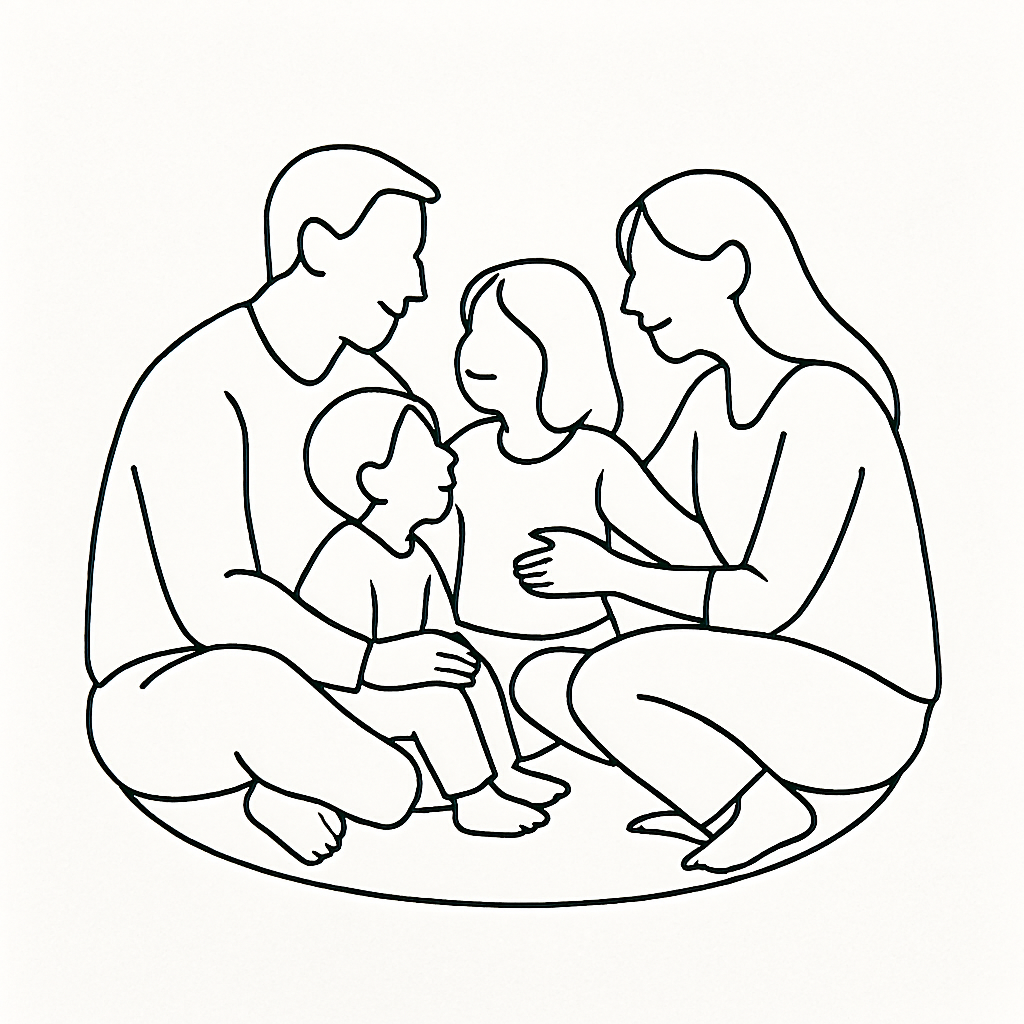
Author: Desirable1

  • How to Build Weekly Family Traditions Everyone Enjoys

    weekly family traditions AG.OG..SunoG...

    How to Build Weekly Family Traditions Everyone Enjoys

    Introduction

    In today’s fast-paced world, everyone is busy managing personal and professional commitments while constantly navigating digital distractions. As a result, quality time with loved ones often gets pushed aside. Even while living under the same roof, family members may begin to feel emotionally disconnected.

    To maintain strong family bonds, it becomes essential to intentionally create regular family traditions. These traditions bring family members together, creating routines filled with connection, shared joy, precious moments, and a deep sense of belonging—something every family member deserves, expects, and looks forward to.

    Family traditions do not need to be fancy, expensive, or created for public display. Their true purpose is simply to create meaningful moments of togetherness within the family.

    Below are some practical and thoughtful ways to build weekly family traditions that everyone genuinely enjoys.


    1. Understand Your Family’s Unique Personality

    Every family is different, and so are individual likes and dislikes. Before deciding on a weekly family tradition, take time to reflect and discuss:

    • What is something everyone in the family enjoys doing together?
    • Which activities help the family relax the most?
    • What brings genuine smiles to everyone’s faces?
    • What feels natural and easy for the family to do together regularly?

    Answering such questions provides clarity and helps you choose a tradition that truly suits your family’s personality and lifestyle.


    2. Keep It Joyful, Not a Burden

    A family tradition should never feel like an obligation. It should be something each member looks forward to with excitement and happiness. Keep it simple, stress-free, and enjoyable for everyone.

    Simple traditions are easier to maintain, more sustainable over time, and often far more meaningful than elaborate plans.


    3. Fix a Day and Time

    Decide on a specific day and time every week and keep it consistent. A fixed schedule reduces last-minute excuses and helps everyone plan their routines around this shared time.

    Consistency builds discipline, and over time, the tradition naturally becomes an integral part of family life.


    4. Involve Everyone in Decision-Making

    Every family member should feel valued and heard. Involve everyone while planning the tradition by asking questions such as:

    • What kind of tradition would you like to build?
    • Which activities excite you the most?
    • What should we try first as a family?

    When everyone contributes ideas, it creates a sense of ownership and emotional investment.


    5. Rotate Roles and Responsibilities

    Encourage active participation by assigning small roles—planning, organizing, choosing activities, or leading discussions. Rotate these roles among family members.

    This rotation keeps the tradition lively and ensures that everyone remains engaged, interested, and emotionally connected over time.


    6. Avoid Force and Conflict

    Choose traditions that are enjoyable for all and free from contradictions or pressure. The goal is to strengthen emotional bonds and bring family members closer—not to create stress or resistance.

    Nothing meaningful grows when it is forced.


    7. Add a Personal Touch

    Small personal rituals can make a tradition truly special and memorable. For example:

    • Lighting a candle
    • Saying a family prayer
    • Taking a family photograph
    • Playing a simple game
    • Singing a song or sharing jokes led by one family member

    These little acts create a sense of magic, warmth, and belonging.


    8. Allow Flexibility and Growth

    Life is unpredictable, so allow room for flexibility. Create simple guidelines rather than rigid rules. If changes are needed, opt for postponing or swapping responsibilities instead of canceling altogether.

    Allowing traditions to evolve helps them grow along with changing needs, ages, and life situations—while keeping consistency intact.


    9. Add Meaning Through Learning or Social Causes

    Along with fun traditions, consider adding a monthly activity focused on learning or contributing to a social cause. This could include reading together, volunteering, or learning a new skill as a family.

    Such activities add depth, purpose, and shared values to your family traditions.


    10. Create a Family Tradition Journal

    Document your traditions by maintaining a family journal. Rotate the responsibility of writing among family members. Add photographs, memories, and reflections, while others contribute comments.

    This shared journaling becomes a beautiful record of togetherness and offers positive reinforcement for everyone involved.


    Conclusion

    Weekly family traditions are powerful tools for building connection, comfort, lasting memories, and a strong sense of belonging. Start small, stay consistent, and allow the tradition to grow naturally.

    Over time, your family will feel more united, happier, and emotionally closer than ever.

  • सभी को पसंद आने वाली साप्ताहिक पारिवारिक परंपराएँ कैसे बनाएं

    weekly family traditions AG.OG..SunoG...

    सभी को पसंद आने वाली साप्ताहिक पारिवारिक परंपराएँ कैसे बनाएं

    परिचय

    आज की तेज़ रफ्तार दुनिया में लोग अपने व्यक्तिगत और पेशेवर दायित्वों के साथ-साथ डिजिटल व्यस्तताओं में इतने उलझे रहते हैं कि अपनों के लिए समय निकालना मुश्किल हो जाता है। कई बार एक ही घर में रहते हुए भी परिवार के सदस्य भावनात्मक रूप से एक-दूसरे से कटे हुए महसूस करते हैं।

    परिवार के बीच जुड़ाव बनाए रखने के लिए नियमित पारिवारिक परंपराओं का निर्माण करना बेहद आवश्यक हो जाता है। ये परंपराएँ परिवार के सदस्यों को एक साथ लाती हैं और उनके बीच जुड़ाव, खुशी, अपनापन और सुंदर यादें बनाती हैं—जिसकी हर सदस्य को ज़रूरत होती है।

    पारिवारिक परंपराएँ महंगी, दिखावटी या भव्य होना ज़रूरी नहीं हैं। इनका मुख्य उद्देश्य केवल साथ में बिताए गए सार्थक और प्रेमपूर्ण क्षणों को बनाना है।

    आइए जानते हैं कुछ ऐसे सरल और प्रभावी तरीक़े, जिनसे आप ऐसी साप्ताहिक पारिवारिक परंपराएँ बना सकते हैं जिन्हें हर सदस्य पसंद करे।


    1. अपने परिवार की पसंद और स्वभाव को समझें

    हर परिवार अलग होता है और हर सदस्य की पसंद-नापसंद भी अलग होती है। परंपरा तय करने से पहले इन प्रश्नों पर विचार करें:

    • ऐसा क्या है जो पूरा परिवार साथ मिलकर करना पसंद करता है?
    • कौन-सी गतिविधि सभी को सबसे अधिक सुकून देती है?
    • किस काम से सभी के चेहरे पर मुस्कान आती है?
    • कौन-सी गतिविधि सहज और स्वाभाविक रूप से साथ की जा सकती है?

    इन सवालों के जवाब आपको सही परंपरा चुनने में मदद करेंगे।


    2. इसे बोझ नहीं, आनंद बनाएं

    पारिवारिक परंपरा कभी भी ज़िम्मेदारी या मजबूरी जैसी नहीं लगनी चाहिए। यह ऐसा समय हो जिसका सभी को इंतज़ार रहे। सरल और तनाव-मुक्त परंपराएँ लंबे समय तक निभाई जा सकती हैं।


    3. एक निश्चित दिन और समय तय करें

    हर सप्ताह एक तय दिन और समय रखें। इससे अनुशासन आता है और कोई भी आख़िरी समय पर बहाना नहीं बना पाता। धीरे-धीरे यह समय परिवार की दिनचर्या का हिस्सा बन जाता है।


    4. सभी को निर्णय में शामिल करें

    हर सदस्य की राय महत्वपूर्ण है। उनसे पूछें:

    • आप किस तरह की पारिवारिक परंपरा चाहते हैं?
    • कौन-सी गतिविधि आपको सबसे अधिक उत्साहित करती है?
    • हम सबसे पहले क्या शुरू करें?

    इससे सभी को अपनापन और महत्व महसूस होता है।


    5. भूमिकाएँ बदल-बदल कर दें

    कभी आयोजन की ज़िम्मेदारी, कभी गतिविधि चुनने की—भूमिकाओं को घुमाते रहें। इससे हर सदस्य सक्रिय और जुड़ा हुआ महसूस करता है।


    6. ज़बरदस्ती से बचें

    ऐसी परंपरा चुनें जो सभी को पसंद आए। उद्देश्य परिवार को जोड़ना है, न कि मतभेद पैदा करना।


    7. व्यक्तिगत स्पर्श जोड़ें

    छोटे-छोटे प्रयास परंपरा को खास बना सकते हैं, जैसे:

    • दीपक या मोमबत्ती जलाना
    • पारिवारिक प्रार्थना
    • साथ में फोटो लेना
    • गाना गाना या चुटकुले सुनाना

    ये छोटे पल गहरे रिश्ते बनाते हैं।


    8. लचीलापन रखें

    जीवन बदलता रहता है, इसलिए परंपराओं में भी लचीलापन ज़रूरी है। ज़रूरत पड़ने पर तारीख़ बदलें, लेकिन रद्द न करें। यही निरंतरता की कुंजी है।


    9. सीख और सेवा को भी शामिल करें

    महीने में एक बार कोई सीखने या समाजसेवा से जुड़ी गतिविधि जोड़ें। इससे बच्चों और बड़ों दोनों में मूल्यों का विकास होता है।


    10. पारिवारिक जर्नल बनाएँ

    अपनी परंपराओं को लिखकर संजोएँ। बारी-बारी से सभी सदस्य लिखें, फोटो जोड़ें और टिप्पणियाँ करें। यह जीवनभर की अनमोल धरोहर बन जाती है।


    निष्कर्ष

    साप्ताहिक पारिवारिक परंपराएँ रिश्तों में जुड़ाव, सुकून और अपनापन लाने का सशक्त माध्यम हैं। छोटे कदमों से शुरुआत करें, निरंतरता बनाए रखें और परंपराओं को स्वाभाविक रूप से विकसित होने दें।

    आपका परिवार पहले से अधिक खुश, जुड़ा हुआ और भावनात्मक रूप से मजबूत महसूस करेगा।

  • The Bond of Marriage

    The Bond Of Marriage AG.OG..SunoG...

    The Bond of Marriage

    Introduction

    Marriage is a bond between two individuals from different backgrounds, personalities, habits, beliefs, and emotional needs who consciously choose to come together to build a shared life. It is rooted in a deep emotional connection and goes far beyond being merely a ritual, a legal agreement, or a social contract. At its core, marriage is a journey of togetherness, growth, and mutual understanding.


    Understanding the True Meaning of Marriage

    The essence of marriage is ever-evolving. It unfolds day by day as partners share responsibilities, understand each other, compromise when needed, grow together, and support one another through both agreements and disagreements.
    Trust, respect, and emotional connection do not develop overnight. They require time, patience, effort, and conscious nurturing. A strong marriage is built not on perfection but on consistency, intention, and emotional presence.


    The Pillars and Foundations of Marriage

    1. Love

    Love between a husband and wife is compassionate and enduring. It is reflected in consistent efforts, meaningful actions, and emotional availability. Love forms the heart of the marital bond and expresses itself in many ways, such as:

    • Care during illness
    • Patience during disagreements
    • Support during emotional lows
    • Celebrating achievements and growing together
    • Guidance and forgiveness during mistakes

    2. Trust

    Trust is the invisible thread that holds a marriage together and prevents the bond from becoming fragile. It is not built in a single day but evolves gradually through shared experiences and consistency. The key elements that nurture trust include:

    • Honesty
    • Reliability
    • Transparency
    • Respect for boundaries

    What Trust Truly Means in a Marriage

    A relationship flourishes when partners:

    • Feel emotionally safe, knowing they will not be judged or have their vulnerabilities used against them
    • Believe in each other’s intentions, even during conflicts
    • Allow space for individuality without fear or insecurity

    3. Communication

    No two individuals think, feel, or process emotions in the same way. Different minds, perspectives, and emotional responses can create misunderstandings if not addressed effectively. Communication acts as the bridge that connects these differences.

    Healthy communication is not about winning arguments; it is about:

    • Listening with presence
    • Expressing oneself honestly
    • Clarifying expectations when needed
    • Addressing issues before they turn into resentment

    Open and respectful communication strengthens emotional intimacy and deepens understanding. A marital bond flourishes when both partners feel heard, valued, and understood.


    4. Emotional Intimacy

    Physical intimacy brings closeness, but emotional intimacy creates lasting connection. It keeps the bond strong through life’s uncertainties and challenges. Emotional intimacy develops when:

    • Partners feel safe being their authentic selves
    • Emotions are acknowledged and respected, not dismissed
    • Vulnerabilities are met with empathy
    • Love and support remain unconditional

    5. Growing Together

    Life is dynamic, and so is marriage. As time passes, responsibilities change, family roles evolve, and personal goals shift. A strong marital bond adapts to these changes by growing together. Such a bond:

    • Encourages personal growth
    • Allows space for individual dreams
    • Periodically redefines roles and responsibilities
    • Supports one another through transitions

    6. Disagreements and Conflicts

    Conflicts are inevitable in marriage due to differences in opinions, values, finances, family dynamics, or expectations. When handled with emotional maturity, conflicts can strengthen the bond rather than weaken it.

    Healthy conflict resolution involves:

    • Focusing on solutions rather than blame
    • Avoiding personal attacks
    • Taking responsibility for one’s actions
    • Communicating with respect

    Resolved conflicts deepen trust and mutual understanding.


    7. Respect

    Respect is often quiet yet one of the most powerful elements in a marriage. It is reflected in everyday behavior—the way partners speak, listen, acknowledge, and appreciate each other. A marriage rooted in respect fosters dignity, equality, and security.

    Simple daily practices make a big difference:

    • Valuing your partner’s opinions
    • Honoring boundaries
    • Avoiding humiliation or harsh criticism
    • Appreciating efforts, both big and small

    8. Emotional Safety

    With strong foundations and supportive pillars, marriage becomes a space of emotional safety. Partners can be themselves without fear of rejection or judgment. Emotional safety allows both individuals to:

    • Express freely
    • Admit mistakes honestly
    • Ask for help without hesitation
    • Be vulnerable without shame

    9. Shared Values and Purpose

    Shared values such as honesty, commitment, empathy, integrity, and respect guide decisions and priorities in marriage. A shared purpose transforms challenges into teamwork and turns individual efforts into collective growth. When both partners work toward common goals, life feels more meaningful and fulfilling.


    10. Nurturing the Bond

    A strong marriage requires conscious and continuous nurturing. Small, consistent efforts sustain and strengthen the bond, such as:

    • Spending quality time together
    • Expressing appreciation through words
    • Acts of kindness
    • Emotional check-ins
    • Keeping promises and commitments

    Conclusion

    The bond of marriage is a delicate balance of love, trust, communication, emotional intimacy, growth, conflict management, respect, emotional safety, shared values, and purpose. It grows stronger when partners choose understanding over ego, compassion over control, and connection over conflict. When nurtured with intention and empathy, marriage becomes a lasting source of strength, comfort, and happiness.

  • विवाह का बंधन

    The Bond Of Marriage AG.OG..SunoG...

    विवाह का बंधन

    परिचय

    विवाह दो ऐसे व्यक्तियों के बीच का बंधन है जो अलग-अलग पृष्ठभूमि, व्यक्तित्व, आदतें, विश्वास और भावनात्मक आवश्यकताएँ रखते हैं, फिर भी एक साझा जीवन बनाने का सचेत निर्णय लेते हैं। यह केवल एक रस्म, कानूनी समझौता या सामाजिक अनुबंध नहीं है, बल्कि एक गहरा भावनात्मक जुड़ाव है। विवाह साथ-साथ चलने, समझने और एक-दूसरे के साथ बढ़ने की यात्रा है।


    विवाह का वास्तविक अर्थ

    विवाह का सार समय के साथ विकसित होता है। यह हर दिन तब आकार लेता है जब हम ज़िम्मेदारियाँ साझा करते हैं, एक-दूसरे को समझते हैं, समझौते करते हैं, साथ-साथ बढ़ते हैं और मतभेदों के बावजूद एक-दूसरे का समर्थन करते हैं।
    विश्वास, सम्मान और भावनात्मक जुड़ाव समय, धैर्य, प्रयास और सजग देखभाल से विकसित होते हैं। एक मजबूत विवाह पूर्णता से नहीं, बल्कि निरंतरता और समझ से बनता है।


    विवाह के स्तंभ और आधार

    1. प्रेम

    पति-पत्नी के बीच प्रेम करुणा से भरा होता है। यह निरंतर प्रयासों, भावनात्मक उपलब्धता और व्यवहार में झलकता है। प्रेम इस बंधन का हृदय है, जो इन रूपों में व्यक्त होता है:

    • बीमारी में देखभाल
    • मतभेदों में धैर्य
    • भावनात्मक कठिन समय में साथ
    • उपलब्धियों का उत्सव और साथ बढ़ना
    • गलतियों में मार्गदर्शन और क्षमा

    2. विश्वास

    विश्वास वह अदृश्य धागा है जो विवाह को मजबूत बनाए रखता है। यह एक दिन में नहीं बनता, बल्कि समय के साथ गहराता है। विश्वास के मूल तत्व हैं:

    • ईमानदारी
    • भरोसेमंद व्यवहार
    • पारदर्शिता
    • सीमाओं का सम्मान

    विवाह में विश्वास का अर्थ

    एक दांपत्य संबंध तभी फलता-फूलता है जब:

    • दोनों भावनात्मक रूप से सुरक्षित महसूस करें
    • संघर्ष के समय भी एक-दूसरे की नीयत पर भरोसा हो
    • व्यक्तिगत स्वतंत्रता को बिना असुरक्षा के स्वीकार किया जाए

    3. संवाद (Communication)

    कोई भी दो व्यक्ति एक-सा नहीं सोचते या महसूस करते। संवाद उन अंतरों को जोड़ने का माध्यम है।
    स्वस्थ संवाद का अर्थ है:

    • ध्यान से सुनना
    • ईमानदारी से स्वयं को व्यक्त करना
    • अपेक्षाओं को स्पष्ट करना
    • समस्याओं को समय रहते सुलझाना

    जब साथी सुने जाते हैं और समझे जाते हैं, तो संबंध गहराता है।


    4. भावनात्मक अंतरंगता

    शारीरिक निकटता पास लाती है, लेकिन भावनात्मक अंतरंगता जुड़े रखती है। यह तब विकसित होती है जब:

    • साथी अपने वास्तविक रूप में सुरक्षित महसूस करें
    • भावनाओं का सम्मान हो
    • कमज़ोर पलों में सहानुभूति मिले
    • प्रेम बिना शर्त हो

    5. साथ-साथ बढ़ना

    जीवन बदलता है, और विवाह भी। एक मजबूत विवाह:

    • व्यक्तिगत विकास को प्रोत्साहित करता है
    • सपनों के लिए स्थान देता है
    • भूमिकाओं को समय-समय पर पुनः परिभाषित करता है
    • परिवर्तन के समय साथ खड़ा रहता है

    6. मतभेद और संघर्ष

    मतभेद स्वाभाविक हैं। जब इन्हें परिपक्वता से सुलझाया जाए, तो वे रिश्ते को और मजबूत बनाते हैं:

    • समाधान पर ध्यान
    • दोषारोपण से बचाव
    • व्यक्तिगत हमलों से दूरी
    • अपनी जिम्मेदारी स्वीकार करना

    7. सम्मान

    सम्मान शांत लेकिन सबसे शक्तिशाली तत्व है। यह रोज़मर्रा के व्यवहार में झलकता है:

    • साथी की राय का सम्मान
    • सीमाओं की कद्र
    • अपमान और कठोर आलोचना से बचना
    • प्रयासों की सराहना

    8. भावनात्मक सुरक्षा

    एक सुरक्षित विवाह में:

    • खुलकर व्यक्त किया जा सकता है
    • गलतियाँ स्वीकार की जा सकती हैं
    • मदद मांगी जा सकती है
    • बिना शर्म के कमज़ोरी दिखाई जा सकती है

    9. साझा मूल्य और उद्देश्य

    ईमानदारी, प्रतिबद्धता, सहानुभूति और परिवार जैसे मूल्य रिश्ते को दिशा देते हैं। साझा उद्देश्य जीवन को टीमवर्क बनाता है।


    10. बंधन को पोषित करना

    विवाह को सहेजने के लिए छोटे-छोटे प्रयास जरूरी हैं:

    • गुणवत्तापूर्ण समय
    • सराहना के शब्द
    • दयालु व्यवहार
    • भावनात्मक बातचीत
    • वादों को निभाना

    निष्कर्ष

    विवाह का बंधन प्रेम, विश्वास, संवाद, सम्मान और भावनात्मक सुरक्षा का संतुलन है। जब अहंकार की जगह समझ, नियंत्रण की जगह करुणा और संघर्ष की जगह जुड़ाव चुना जाता है, तब विवाह शक्ति और सुख का स्रोत बनता है।

  • माँ बनाम पत्नी: विवाह में एक पुरुष का दृष्टिकोण

    Mother Vs Wife Ag.Pg.SunoG...

    माँ बनाम पत्नी: विवाह में एक पुरुष का दृष्टिकोण

    भूमिका

    एक पुरुष के जीवन की सबसे बड़ी चुनौती दो महत्वपूर्ण महिलाओं के बीच संतुलन बनाना होती है—एक उसकी माँ और दूसरी उसकी पत्नी। दोनों ने अपने जीवन में उसे प्राथमिकता दी होती है, अपने सुख-दुख से ऊपर रखकर। यह एक भावनात्मक त्रिकोण है, जो प्रेम और जुड़ाव से गहराई से जुड़ा होता है।

    ये दोनों रिश्ते अलग-अलग भावनात्मक अर्थ रखते हैं। दोनों महिलाओं की भूमिका उसके जीवन में अलग है। यह किसी एक को चुनने की कहानी नहीं है, न ही किसी के प्रति पक्षपात की। यह कहानी है—दोनों से गहरे प्रेम की, बस अलग-अलग रूप में।


    माँ–बेटे का संबंध

    माँ किसी भी व्यक्ति की पहली भावनात्मक कड़ी होती है। वही जन्म देने वाली, पालन करने वाली, सुरक्षा देने वाली, मार्गदर्शक होती है। माँ अपने बच्चे के लिए एक मजबूत दीवार की तरह खड़ी रहती है, जीवन की हर मुश्किल में उसे संभालती है।

    माँ–बेटे का रिश्ता त्याग, निर्भरता और बिना शर्त प्रेम की गहरी जड़ों से बना होता है। वही बेटे के संस्कार, आदतें और भावनात्मक प्रतिक्रियाएँ गढ़ती है। माँ की उपस्थिति एक सुरक्षा कवच होती है, जो बेटे को दुनिया में आत्मविश्वास से खड़ा होने की ताकत देती है।

    शादी के बाद भी यह रिश्ता समाप्त नहीं होता। माँ के लिए यह बदलाव अक्सर भावनात्मक दूरी जैसा महसूस होता है। वहीं बेटे के लिए यह स्थिति बिना शर्त प्रेम, निष्ठा और स्वतंत्रता के बीच खड़े होने जैसी होती है।


    पत्नी की भूमिका

    पत्नी न तो माँ का स्थान लेती है और न ही उसका विस्तार होती है। वह एक जीवनसाथी होती है—जिससे विवाह नामक प्रतिबद्धता के माध्यम से रिश्ता बनता है। वह भावनात्मक, मानसिक और व्यावहारिक रूप से समान भागीदार होती है।

    पत्नी पुरुष की मुख्य भावनात्मक साथी बन जाती है—उसके निर्णयों, वर्तमान और भविष्य की साझेदार।


    टकराव को गलत तरीके से समझना

    यह टकराव अक्सर जानबूझकर नहीं होता। यह अनकही अपेक्षाओं और असुरक्षाओं से जन्म लेता है।
    जहाँ पत्नी बनाए गए सीमाओं को रिश्ते की मजबूती मानती है, वहीं माँ इन्हें अपने प्रेम से दूरी समझ सकती है।
    और पुरुष अक्सर चुप्पी को शांति का रास्ता मान लेता है—जो धीरे-धीरे उसे भीतर से थका देती है।


    बीच में फंसे पुरुष का भावनात्मक संघर्ष

    वह न तो भावनात्मक रूप से अनुपस्थित होता है, न ही उदासीन—वह भावनात्मक रूप से बंटा हुआ होता है।
    माँ को दुख न पहुँचाने का डर और पत्नी को निराश न करने की चिंता उसे भीतर से तोड़ देती है।
    अक्सर यह संघर्ष अनदेखा रह जाता है, लेकिन उसका प्रभाव गहरा होता है।


    विवाह में भावनात्मक प्राथमिकताएँ

    विवाह माता-पिता को छोड़ने की माँग नहीं करता, लेकिन प्राथमिकताओं में स्पष्टता लाता है।
    एक अच्छा बेटा होने के साथ-साथ, पुरुष को एक जिम्मेदार पति भी बनना होता है।
    यह बदलाव रिश्तों में भ्रम से बचाने के लिए आवश्यक है।


    सीमाओं का महत्व

    सीमाएँ अपमान नहीं होतीं—वे रिश्तों की सुरक्षा होती हैं।
    सहानुभूति और स्पष्टता के साथ तय की गई सीमाएँ रिश्तों में संतुलन लाती हैं।


    पत्नी की भावनात्मक सुरक्षा

    पत्नी को माँ से प्रतिस्पर्धा नहीं चाहिए—उसे भावनात्मक सुरक्षा चाहिए।
    स्पष्ट सीमाएँ और आश्वासन उसे यह भरोसा देते हैं कि वह प्राथमिकता है।


    माँ को आश्वासन की आवश्यकता

    बेटे का पत्नी की ओर झुकाव माँ को भावनात्मक नुकसान जैसा लग सकता है।
    सम्मान, समय और स्नेह के साथ दिया गया आश्वासन रिश्ते को मजबूत बनाता है।


    संवाद: पुरुष की सबसे बड़ी जिम्मेदारी

    संवाद रिश्तों की रीढ़ है।
    समय पर, शांत और संवेदनशील बातचीत पुरुष को माँ और पत्नी के बीच सेतु बनाती है।
    यही संवाद रिश्ते को माँ बनाम पत्नी से माँ और पत्नी में बदलता है।


    निष्कर्ष

    माँ और पत्नी के बीच का संघर्ष युद्ध नहीं, बल्कि एक परिवर्तन है—
    बेटे से पति बनने का, निर्भरता से साझेदारी का, और भावनात्मक आराम से जिम्मेदारी का।

    जब पुरुष स्पष्टता, सीमाएँ और परिपक्वता अपनाता है, तब विवाह मजबूत होता है और पारिवारिक सामंजस्य संभव बनता है।

  • Mother vs Wife: A Man’s Perspective in Marriage

    Mother Vs Wife Ag.Pg.SunoG...

    Mother vs Wife: A Man’s Perspective in Marriage

    Introduction

    The biggest challenge in the life of a man is maintaining balance between two women—one is his mother and the other is his wife. Both women have kept the world aside for him, making him the priority of their lives. It is an emotional triangle rooted in love and attachment.

    These are two very important relationships, each holding a different emotional meaning. Both women have their own roles in his life. It is not about choosing one over the other, nor is it about being biased toward either one. The whole story is about deep love for both, just expressed in different ways.


    The Mother–Son Bond

    A mother is the first emotional connection for any individual on this planet. She is the birth giver, care giver, protector, nurturer, and guide. A mother stands as a strong wall for her child, protecting him through the thick and thin of life wherever she can. This mother–son bond is built with deep roots of dependence, sacrifice, and unconditional love.

    A mother shapes her son into who he is today, instilling values, habits, and emotional responses. Her presence represents familiarity and provides emotional security that a child always longs for to stand tall in this world.

    Though certain changes are natural and expected, this mother–son bond does not disappear with marriage. For a mother, this transition often feels like emotional displacement. For the son, it feels like standing between unconditional love, loyalty, and independence.


    The Wife’s Role

    A wife is not an extension of a man’s mother, nor is she a replacement. She is a partner introduced through a commitment called marriage and is expected to stand equal—emotionally, mentally, and practically.

    For a man, his wife becomes his primary emotional companion, a partner in his decisions, and a partner for both his present and his future.

    Both women have their own roles and influence in a man’s life. As a wife, she seeks emotional priority and partnership. As a mother, she expects emotional bonding, closeness, and continuity of influence. The challenge arises when these expectations clash, and the man, standing at the center, is expected to fulfill both without compromising either.


    Why the Conflict Is Often Misunderstood

    Nothing in this triangle is done intentionally. Conflicts arise due to unspoken expectations and insecurities.

    As the couple begins their life together and establishes boundaries for a healthy relationship, the mother may interpret these boundaries as rejection of her love, care, and emotional closeness.

    The wife, on the other hand, may interpret the emotional closeness between her husband and his mother as interference.

    A man often chooses silence, assuming it will bring peace and harmony. Deep within, he becomes emotionally exhausted—feeling guilty for prioritizing his wife and disloyal for setting boundaries with his mother. He feels pressured to act as a mediator rather than simply being a husband or a son. This internal conflict often goes unnoticed but deeply affects his emotional well-being.


    The Emotional Struggle of a Man in Between

    Two women—one on either side—pulling the man toward themselves divides him emotionally. He is not emotionally absent; he is emotionally divided. He struggles with the fear of hurting or disobeying his mother and the fear of disappointing his wife, while also being misunderstood by both.

    Men are often conditioned to suppress emotions. As a result, they may avoid confrontation, hoping situations will resolve themselves. Instead, this avoidance adds to the mess, leading to deeper resentment and misunderstanding.


    Understanding Emotional Priorities in Marriage

    Every stage of life defines its own priorities, and marriage is no exception. Marriage does not mean abandoning parents, but it does bring a shift that defines the marital relationship and lays the foundation of a man’s adult life.

    Along with being a caring and loving son, a man becomes a committed husband. His wife becomes an important part of his emotional decisions. This shift is essential to avoid unclear emotional priorities and confusion among the man, his mother, and his wife.


    The Importance of Boundaries

    Boundaries may feel emotionally difficult, but they are essential and not disrespectful. Both women are related to the man at the center, and both deserve their own space.

    Boundaries protect harmony in the marital relationship by reducing misunderstandings and defining respectful roles among the mother, son, and wife. A man who communicates boundaries with empathy and firmness prevents long-term emotional damage. Silence, on the other hand, allows conflicts to intensify quietly and resurface later when situations go beyond control.


    The Wife’s Need for Emotional Security

    Marriage brings significant changes in a woman’s life as well. Expectations of emotional companionship, partnership, and being a priority in her husband’s life are deeply internal. Feeling secondary or unheard creates insecurity.

    A man must understand his wife’s concerns. She is not attacking his mother; she is seeking emotional safety. Reassurance—given through clear boundaries—acknowledges her feelings, strengthens trust, and deepens marital connection.


    The Mother’s Need for Reassurance

    A man’s inclination toward his wife and the time he spends with her may feel like emotional loss to his mother. Letting go is difficult. It becomes the man’s responsibility to reassure his mother with love and respect, without compromising his marriage.

    Appropriate involvement, reassurance of her importance, and compassionate clarification of roles help replace defensiveness with understanding. Relationships heal rather than break when reassurance is present.


    Communication: The Man’s Most Important Role

    Communication is the most powerful tool in any relationship. It can make or break bonds. Addressing difficulties early brings resolution, while avoiding difficult conversations leads to frustration and deterioration.

    Healthy communication transforms a man from a passive participant into a responsible bridge between the two women. It involves expressing thoughts clearly, addressing issues early, avoiding blame, and focusing on solutions rather than emotional outbursts.

    By bridging the gap, the man can shift the dynamic from mother vs wife to mother and wife. Balance between the two strengthens the present and builds a healthy future while honoring both relationships.


    Conclusion

    The conflict between mother and wife is not a battle—it is a transition. A transition from being a son to being a husband, from dependency to partnership, and from emotional comfort to emotional responsibility.

    Marriage does not demand the removal of a mother from a man’s life. It requires clarity, boundaries, and emotional maturity. When a man honors both relationships without compromising either, the bond of marriage grows stronger and family harmony becomes possible.

  • सभी को पसंद आने वाली साप्ताहिक पारिवारिक परंपराएँ कैसे बनाएं

    Weekly Family Traditions AG.OG..SunoG...

    सभी को पसंद आने वाली साप्ताहिक पारिवारिक परंपराएँ कैसे बनाएं

    परिचय

    आज की तेज़ रफ्तार दुनिया में, जहाँ हर व्यक्ति अपने व्यक्तिगत और पेशेवर जीवन में व्यस्त है और डिजिटल व्याकुलताएँ बढ़ती जा रही हैं, परिवार के लिए समय निकालना अक्सर नज़रअंदाज़ हो जाता है। कई बार परिवार के सदस्य एक ही घर में रहते हुए भी भावनात्मक रूप से दूर महसूस करते हैं।

    ऐसे समय में, साप्ताहिक पारिवारिक परंपराओं का निर्माण करना बेहद आवश्यक हो जाता है। ये परंपराएँ परिवार के सदस्यों को एक साथ लाने, जुड़ाव बढ़ाने, खुशियाँ साझा करने और अपनापन महसूस कराने में मदद करती हैं—जिसकी हर सदस्य को ज़रूरत होती है और जिसकी वह प्रतीक्षा करता है।

    ये परंपराएँ महँगी, दिखावटी या भव्य होना ज़रूरी नहीं हैं। इनका उद्देश्य केवल परिवार के बीच सच्चे और अर्थपूर्ण साथ के पल बनाना होता है।


    1. अपने परिवार की प्रकृति को समझें

    हर परिवार अलग होता है और उनकी पसंद-नापसंद भी अलग होती है। किसी भी साप्ताहिक परंपरा को तय करने से पहले खुद से ये प्रश्न पूछें:

    • ऐसा क्या है जो परिवार के सभी सदस्य साथ मिलकर करना पसंद करते हैं?
    • कौन-सी गतिविधि पूरे परिवार को सबसे ज़्यादा सुकून देती है?
    • किस चीज़ से सभी के चेहरे पर मुस्कान आ जाती है?
    • कौन-सी गतिविधि सहज और आसान लगती है जिसे साथ किया जा सके?

    ऐसे प्रश्न स्पष्टता लाते हैं और परिवार की प्रकृति के अनुसार सही परंपरा चुनने में मदद करते हैं।


    2. इसे सरल और आनंददायक रखें

    परंपरा कभी बोझ नहीं लगनी चाहिए। यह ऐसी होनी चाहिए जिसका सभी आनंद लें और जिसका इंतज़ार करें। इसे तनाव-मुक्त, सरल और सभी के लिए सहज बनाएं।

    सरल परंपराएँ न केवल आसानी से निभाई जाती हैं बल्कि ज़्यादा खुशी भी देती हैं।


    3. दिन और समय तय करें

    हर सप्ताह के लिए एक निश्चित दिन और समय तय करें। जब यह पहले से तय होता है, तो अंतिम समय पर बहाने नहीं बनते।

    यह अनुशासन और निरंतरता लाता है और धीरे-धीरे जीवन का स्वाभाविक हिस्सा बन जाता है।


    4. सभी को निर्णय प्रक्रिया में शामिल करें

    हर सदस्य को सक्रिय भागीदार बनाएं। उनकी राय और सुझाव लें ताकि उन्हें महत्व और अपनापन महसूस हो।

    आप ये प्रश्न पूछ सकते हैं:

    • आप कौन-सी परंपरा बनाना चाहते हैं?
    • कौन-सी गतिविधि आपको सबसे ज़्यादा उत्साहित करती है?
    • हमें सबसे पहले क्या आज़माना चाहिए?

    5. जिम्मेदारियाँ घुमाते रहें

    सभी को आयोजन, योजना या निर्णय की जिम्मेदारी दें और इन्हें समय-समय पर बदलते रहें। इससे हर सदस्य सक्रिय और उत्साहित बना रहता है।


    6. ज़बरदस्ती से बचें

    ऐसी परंपरा चुनें जिसे सभी पसंद करें। उद्देश्य रिश्तों को मजबूत करना है, न कि किसी पर दबाव डालना।

    ज़बरदस्ती से कोई सकारात्मक परिणाम नहीं निकलता।


    7. व्यक्तिगत स्पर्श जोड़ें

    परंपरा को खास बनाने के लिए छोटे-छोटे व्यक्तिगत तत्व जोड़ें, जैसे:

    • दीपक या मोमबत्ती जलाना
    • पारिवारिक प्रार्थना
    • एक साथ फोटो लेना
    • खेल खेलना
    • गीत गाना या चुटकुले सुनाना

    ये छोटे पल परंपरा में जादू और अपनापन भर देते हैं।


    8. लचीलापन और विकास की अनुमति दें

    जीवन अनिश्चितताओं से भरा होता है। इसलिए परंपराओं में बदलाव की गुंजाइश रखें। आवश्यकता पड़ने पर स्थगित करें, बदलें—लेकिन रद्द न करें।

    समय और उम्र के साथ परंपराओं का विकसित होना स्वाभाविक है। निरंतरता सबसे महत्वपूर्ण है।


    9. सीख और सामाजिक उद्देश्य जोड़ें

    महीने में एक बार कोई ऐसी गतिविधि जोड़ें जिसमें सीख या सामाजिक उद्देश्य हो। इससे आनंद के साथ-साथ अर्थ भी जुड़ता है।


    10. पारिवारिक परंपरा जर्नल बनाएँ

    अपनी परंपराओं को लिखें। लेखन की जिम्मेदारी घुमाते रहें, फोटो जोड़ें और बाकी सदस्य अपनी प्रतिक्रियाएँ लिखें।

    यह सकारात्मक भावना पैदा करता है और यादों को संजोता है।


    निष्कर्ष

    साप्ताहिक पारिवारिक परंपराएँ जुड़ाव, सुकून, यादें और अपनापन बनाने का एक शक्तिशाली माध्यम हैं। छोटे कदमों से शुरुआत करें, निरंतरता बनाए रखें और परंपरा को स्वाभाविक रूप से बढ़ने दें।

    समय के साथ आपका परिवार अधिक जुड़ा हुआ, खुश और भावनात्मक रूप से मजबूत महसूस करेगा।

  • How to Build Weekly Family Traditions Everyone Enjoys

    Weekly Family Traditions AG.OG..SunoG...

    How to Build Weekly Family Traditions Everyone Enjoys

    Introduction

    In today’s world, where everyone is busy keeping up with personal and professional commitments along with constant digital distractions, time for loved ones is often neglected. Family members may live under the same roof, yet still feel emotionally disconnected.

    To maintain strong family bonds, it becomes necessary to create or build certain routine family traditions that intentionally bring family members together. These moments of togetherness help create connection, happiness, precious memories, and a deep sense of belonging that every family member deserves, expects, and looks forward to.

    These traditions do not need to be fancy, expensive, or meant for public display. Their true purpose is simply to create meaningful moments of togetherness within the family.

    Here we summarize some ideas on how weekly family traditions can be built in a way that everyone enjoys.


    1. Understand Your Family’s Nature

    Every family is different and unique, and so are their likes and dislikes. Before setting a weekly family tradition, ask yourself:

    • What is something common that all family members love doing together?
    • Which activity relaxes you and your family the most?
    • What brings a smile to everyone’s face?
    • What activity feels natural and easy for your family to do together?

    Questions like these bring clarity and help in choosing a tradition that suits your family’s personality and lifestyle, making it easier to adopt and sustain weekly.


    2. Keep It Simple and Joyful

    The tradition should never feel like a burden. It should be joyful—something every family member enjoys and looks forward to. Members should feel encouraged and motivated to spend this time together.

    Keep things simple, stress-free, and workable for everyone. Simple traditions are easier to maintain and often bring the most joy.


    3. Fix a Date and Time

    Decide and fix a specific date and time each week for your family tradition. A fixed schedule helps avoid last-minute excuses, as everyone knows in advance that this time is already reserved.

    This builds discipline, consistency, and gradually makes the tradition a natural part of family life.


    4. Involve Everyone in Decision-Making

    Every family member should be an active participant. To keep the tradition lively, involve everyone by asking for their suggestions and opinions. This creates a sense of value and belonging.

    You can ask questions like:

    • What tradition would you like to build?
    • Which activity excites you the most?
    • What should we try first?

    5. Share Responsibilities Through Rotation

    Try to involve everyone in different roles—organizing, planning, choosing activities, or making decisions. Rotate these responsibilities so each member gets a chance to contribute.

    This keeps the tradition interesting, exciting, and alive over a long period.


    6. Avoid Force or Conflict

    Choose traditions that are enjoyable for all and do not create contradictions or resistance. The goal is to bring family members closer and strengthen emotional bonds, not to force participation.

    Nothing meaningful can be achieved through pressure.


    7. Add a Personal Touch

    Adding small personal elements can make the tradition special and memorable. This could include:

    • Lighting a candle
    • A short family prayer
    • Taking a family photograph
    • Playing a simple game
    • Singing a song
    • Joke-telling by a chosen member

    These small gestures create a sense of magic, warmth, and belonging.


    8. Allow Flexibility and Evolution

    Life is unpredictable, so allow flexibility as a rule. You may maintain a simple rulebook and update it occasionally to allow changes when needed.

    Prefer postponing or swapping responsibilities rather than canceling altogether. Allowing evolution helps traditions grow along with changing needs, ages, and situations. Consistency is the ultimate goal.


    9. Add Learning or Social Purpose Occasionally

    Along with weekly traditions, once a month you can add an activity focused on learning or a social cause. This makes the tradition more meaningful and encourages active participation while learning something new together.


    10. Maintain a Family Tradition Journal

    Try journaling your family traditions. Make it a group activity by rotating the responsibility of writing. Add photographs, and encourage others to add comments or reflections.

    This creates positive reinforcement, preserves memories, and strengthens emotional connection over time.


    Conclusion

    Weekly family traditions are powerful tools for creating connection, comfort, lasting memories, and a strong sense of belonging. Start small, stay consistent, and allow the tradition to grow naturally. Over time, your family will feel more united, happier, and emotionally closer than ever.
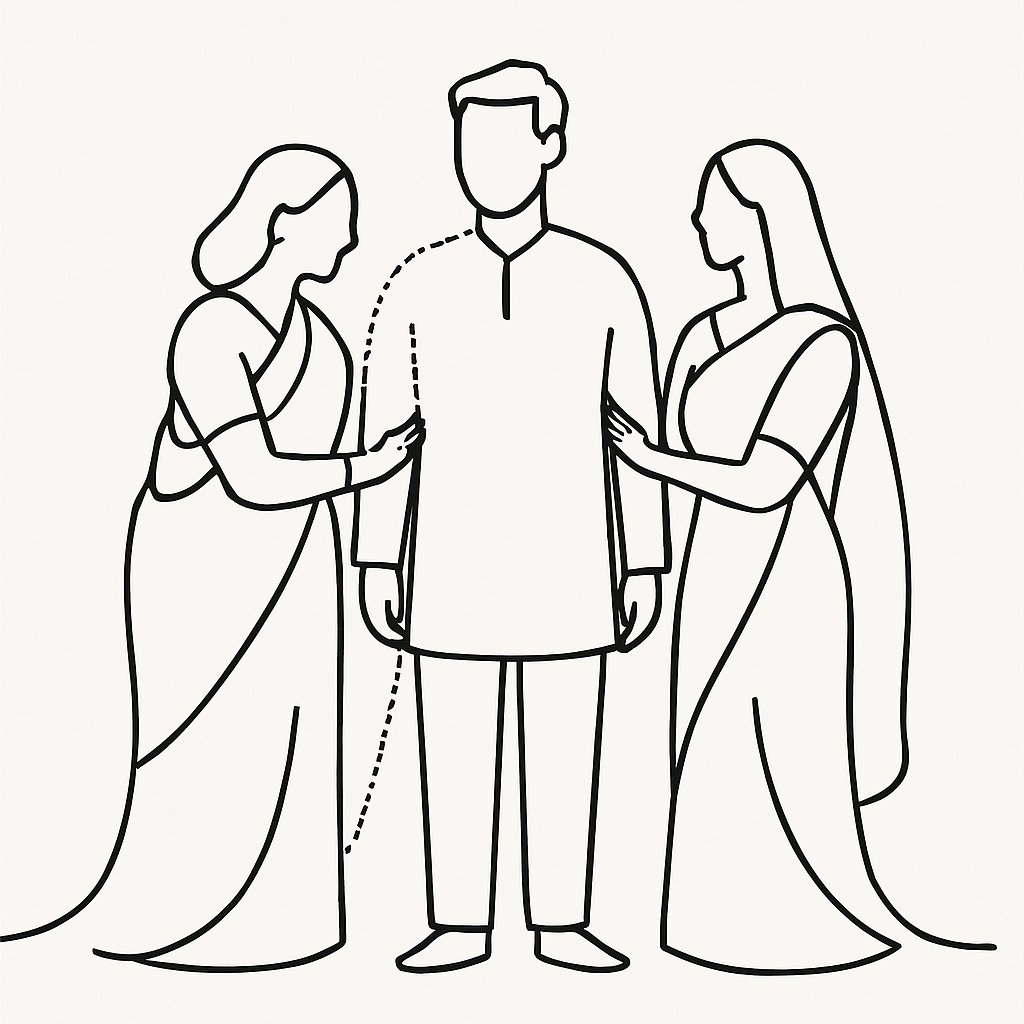
  • रिश्तों में अनकहे शब्द

    unspoken words inn a relationship AG.OG..SunoG...

    रिश्तों में अनकहे शब्द

    परिचय

    चाहे वह प्यार का इज़हार हो, सामान्य बातचीत या चर्चाएँ, सीमाएँ तय करना, मतभेद सुलझाना या भावनात्मक नज़दीकी—हर रिश्ते में शब्दों की बहुत अहम भूमिका होती है। लेकिन कई बार सबसे प्रभावशाली बातें शब्दों में नहीं कही जातीं, बल्कि ख़ामोशी, हाव-भाव, दबाई गई भावनाओं, ठहराव और व्यवहार के ज़रिए सामने आती हैं। ये अनकहे शब्द इतने शक्तिशाली होते हैं कि ये या तो रिश्ते को गहरा बना सकते हैं या दो लोगों के बीच दूरी पैदा कर सकते हैं।

    अक्सर देखा गया है कि रिश्ते इसलिए नहीं टूटते क्योंकि प्यार खत्म हो जाता है, बल्कि इसलिए टूटते हैं क्योंकि कुछ भावनाएँ अनकही रह जाती हैं। इन अनकहे शब्दों को समझना साथ बढ़ने, भावनात्मक रूप से जुड़ने और रिश्ते की दीर्घकालिक स्थिरता के लिए बेहद ज़रूरी हो जाता है।


    अनकहे शब्द क्या होते हैं?

    अनकहे शब्द वे भावनाएँ, विचार, ज़रूरतें या अपेक्षाएँ होती हैं जिन्हें कोई साथी व्यक्त नहीं कर पाता या जानबूझकर दूसरे तक पहुँचाने से बचता है। इनमें अनकहा प्यार, दबा हुआ गुस्सा, उपेक्षा की भावना या भावनात्मक पीड़ा शामिल हो सकती है। समय के साथ ये अनकही भावनाएँ व्यवहार और मनोदशा में बदलाव लाती हैं, या फिर ख़ामोशी, भावनात्मक थकान और दूरी के ज़रिए रिश्ते में खालीपन पैदा कर देती हैं।

    अनकहे शब्द हमेशा जानबूझकर नहीं होते। कई बार ये बिना ध्यान दिए ही अनदेखे और अनसुने रह जाते हैं।


    लोग शब्दों को अनकहा क्यों छोड़ देते हैं?

    टकराव का डर

    टकराव का डर सबसे बड़ी वजहों में से एक है जिसके कारण लोग अपनी बातें नहीं कहते। आम धारणा होती है कि चुप्पी से शांति बनी रहती है, जबकि हकीकत में यह चुप्पी अक्सर समस्या को सुलझाने के बजाय टाल देती है।

    गलत समझे जाने का डर

    गलत समझे जाने का डर पार्टनर्स के बीच भावनात्मक दूरी पैदा करता है, जिससे कई भावनाएँ अनकही रह जाती हैं।

    अहंकार

    कई लोग अपने पालन-पोषण या विकसित हुए अहंकार के कारण भावनाओं को नज़रअंदाज़ करते हैं और अपनी अभिव्यक्ति दबा लेते हैं।

    अस्वीकार किए जाने का डर

    अस्वीकार किए जाने का डर व्यक्ति को अपनी ज़रूरतें, कमज़ोरियाँ और असुरक्षाएँ साझा करने से रोक देता है।

    रिश्तों में धारणाएँ

    अक्सर पार्टनर यह मान लेते हैं कि सामने वाला पहले से ही जानता होगा कि वे क्या महसूस कर रहे हैं या उन्हें क्या चाहिए—बिना कुछ कहे।


    रिश्तों में आम अनकहे शब्द

    “मुझे और ध्यान चाहिए”

    इस ज़रूरत को सीधे कहने के बजाय लोग इसे चिड़चिड़ेपन, शिकायतों या भावनात्मक दूरी के रूप में दिखाते हैं। असल ज़रूरत ध्यान नहीं, बल्कि भावनात्मक मौजूदगी और आश्वासन होती है।

    “मुझे सराहा नहीं जा रहा”

    कई लोग इस भावना को भीतर ही भीतर लेकर चलते हैं और लगातार प्रयास करते रहते हैं, यह उम्मीद करते हुए कि कभी तो उनकी कोशिशें अपने आप देखी जाएँगी।

    “मुझे तुम्हें खोने का डर है”

    गहरा प्यार असुरक्षा भी लेकर आता है। कई लोग इस डर को इसलिए व्यक्त नहीं करते क्योंकि उन्हें लगता है कि इससे वे भावनात्मक रूप से निर्भर या कमज़ोर हो जाएँगे।

    “मैं ठीक नहीं हूँ”

    अक्सर लोग “मैं ठीक हूँ” कहते हैं, जबकि भीतर से टूट रहे होते हैं। यह झूठी अभिव्यक्ति या ख़ामोशी भावनात्मक जुड़ाव को रोक देती है।

    “मुझे हमारे पुराने दिन याद आते हैं”

    जैसे-जैसे रिश्ते आगे बढ़ते हैं, ज़िम्मेदारियाँ बढ़ती हैं। लोग रिश्ते के उस पुराने, बेफ़िक्र दौर को याद करते हैं लेकिन इसे व्यक्त नहीं कर पाते।

    “मुझे थोड़ा स्पेस चाहिए”

    स्वस्थ तरीके से निजी स्पेस माँगने के बजाय कुछ लोग अचानक दूरी बना लेते हैं, जिससे सामने वाला उलझन और दुख में पड़ जाता है।


    अनकहे शब्दों की कीमत

    जब भावनाएँ व्यक्त नहीं होतीं, तो पार्टनर्स धीरे-धीरे भावनात्मक रूप से कटने लगते हैं। बातचीत सतही हो जाती है और भावनात्मक नज़दीकी कम होने लगती है।

    अनकहे शब्द अक्सर अनुमान को जन्म देते हैं। पार्टनर्स एक-दूसरे की भावनाओं को गलत समझने लगते हैं, जिससे गलतफहमियाँ और टकराव बढ़ते हैं।

    दबी हुई भावनाएँ खत्म नहीं होतीं, बल्कि जमा होती जाती हैं। समय के साथ यह असंतोष और कड़वाहट का रूप ले लेती हैं।

    जब भावनाएँ लगातार छुपाई जाती हैं, तो भावनात्मक भरोसा कमजोर होने लगता है। यहाँ तक कि रिश्ते में रहते हुए भी गहरी अकेलेपन की भावना पैदा हो सकती है।


    ख़ामोशी क्या कहती है?

    ख़ामोशी कभी खाली नहीं होती। यह हमेशा कुछ न कुछ कहती है। ख़ामोशी रिश्ते को जोड़ भी सकती है और तोड़ भी सकती है—यह इस पर निर्भर करता है कि वह कब और कैसे आती है।

    दो लोगों का बिना बोले साथ बैठना, एक-दूसरे की आँखों में देखना, भावनात्मक सुरक्षा दर्शाता है। वहीं, बहस के बाद लंबी चुप्पी या भावनाओं पर प्रतिक्रिया न देना बिल्कुल अलग संदेश देता है।


    स्वस्थ ख़ामोशी और नुकसानदेह ख़ामोशी

    स्वस्थ ख़ामोशी को आमतौर पर समझा और समझाया जाता है, जबकि नुकसानदेह ख़ामोशी भ्रम और दूरी पैदा करती है। हर ख़ामोशी नकारात्मक नहीं होती। कई बार यह सोचने, सँभलने और शांति के लिए ज़रूरी होती है।

    स्वस्थ ख़ामोशी भावनाओं को संतुलित करने का मौका देती है और व्यक्तिगत सीमाओं का सम्मान करती है।

    नुकसानदेह ख़ामोशी सच्चाई को दबाती है, ज़रूरी बातचीत से बचती है और भावनात्मक दूरी बढ़ाती है।


    लंबे समय में अनकहे शब्दों का प्रभाव

    अक्सर रिश्ते इसलिए खत्म नहीं होते क्योंकि प्यार कम हो गया, बल्कि इसलिए क्योंकि संवाद बंद हो गया। ख़ामोशी धीरे-धीरे रिश्ते का भावनात्मक माहौल बदल देती है। समय के साथ पार्टनर्स भावनात्मक रूप से दूर हो जाते हैं और सिर्फ़ साथ निभाने वाले बनकर रह जाते हैं।


    अनकहे को कहने की सीख

    बदलाव की शुरुआत जागरूकता से होती है। कुछ भी कहने से पहले अपनी भावनाओं को समझना ज़रूरी है।

    “मैं” वाले वाक्यों में अपनी बात कहना दोषारोपण से बचाता है।

    भावनात्मक बातचीत शांत माहौल में होनी चाहिए, गुस्से में नहीं। समय का सही होना बहुत मायने रखता है।

    धीरे-धीरे बोलें। एक भावना से शुरुआत करें और उसे समझे जाने का मौका दें।


    अनकहे को सुनना

    संवाद केवल बोलना नहीं, सुनना भी है। कई बार भावनाएँ शब्दों के बिना भी दिखती हैं—स्वर में बदलाव, व्यवहार में फर्क और दूरी के ज़रिए।

    जब दबी हुई भावनाएँ बाहर आती हैं, तो वे तीव्र हो सकती हैं। ऐसे समय में धैर्य और संवेदनशीलता रिश्ते को गहरा बना सकती है।


    रिश्ते में अनकहा प्यार

    हर अनकही बात दर्द भरी नहीं होती। जैसा कहा जाता है—कर्म शब्दों से ज़्यादा बोलते हैं।

    अनकहा प्यार इन रूपों में दिखता है:

    • मुश्किल समय में साथ रहना

    • छोटी-छोटी परवाह

    • बिना कहे समझ जाना

    • भावनात्मक मौजूदगी

    फिर भी, “मैं तुमसे प्यार करता/करती हूँ”, “मैं तुम्हारी कद्र करता/करती हूँ” जैसे शब्द भावनात्मक जुड़ाव को मजबूत बनाते हैं। बिना अभिव्यक्ति के प्यार धीरे-धीरे फीका पड़ सकता है।


    निष्कर्ष

    ख़ामोशी संवाद की अनुपस्थिति नहीं, बल्कि संवाद का ही एक रूप है। हर रिश्ते में ख़ामोशी होती है, लेकिन उसे सही तरीके से समझना और संभालना ज़रूरी है।

    स्वस्थ रिश्ते वही होते हैं जहाँ लोग खुद को व्यक्त करने में सुरक्षित महसूस करते हैं। जब ख़ामोशी को जिज्ञासा, करुणा और साहस के साथ देखा जाता है, तब भावनात्मक नज़दीकी बढ़ती है।

    अनकहे को कहना रिश्ते को कमजोर नहीं करता, बल्कि गहरा बनाता है। यह दो लोगों को सच में देखे और सुने जाने का एहसास देता है।

    आख़िरकार, रिश्ते परफेक्शन से नहीं, ईमानदार जुड़ाव से फलते-फूलते हैं। और कभी-कभी सबसे साहसी शब्द वही होते हैं, जिन्हें हम बहुत लंबे समय से चुपचाप दबाए हुए होते हैं।

  • The Unspoken Words in a Relationship

    unspoken words inn a relationship AG.OG..SunoG...

    The Unspoken Words in a Relationship

    Introduction

    Be it the expression of love, normal chit chats or discussions, setting boundaries, conflict resolution, or emotional intimacy, words play a very important role in any relationship. Yet, many impactful messages are often not spoken but expressed through silence, gestures, suppressed emotions, pauses, and actions. These unspoken words are so powerful that they may either deepen the bond or create distance between two individuals.

    It has often been observed that relationships fall apart not because love ends, but because certain feelings remain unspoken. Understanding these unspoken words becomes essential for growing together, connecting emotionally, and ensuring the long-term sustainability of a relationship.


    What Are Unspoken Words?

    Unspoken words are the emotions, thoughts, needs, or expectations that one partner fails to express or intentionally avoids communicating to the other. These may include unexpressed love, suppressed anger, feelings of neglect, or emotional pain. Over time, these unspoken emotions may bring changes in behaviour and mood, or create emotional gaps through silence, emotional burnout, or withdrawal.

    Unspoken words are not always intentional. Many times, they go unnoticed and remain unacknowledged.


    Why Do People Leave Words Unspoken?

    1. Fear of Conflict
      Fear of conflict stands as one of the most important reasons people keep their words unspoken. There is a common belief that silence preserves peace. However, people often fail to realise that silence usually delays conflict rather than resolving it.
    2. Fear of Being Misunderstood
      The fear of being misunderstood creates emotional gaps between partners, leaving many feelings unspoken.
    3. Ego
      Many individuals dismiss their emotions due to upbringing or a developed ego, which makes them suppress expression.
    4. Fear of Rejection
      The fear of rejection stops a person from sharing their needs, vulnerabilities, or insecurities.
    5. Assumptions in Relationships
      Partners often assume that the other should already know what they feel or need, without expressing it clearly.

    Common Unspoken Words in Relationships

    “I Need More Attention”

    Instead of expressing this need directly, people often show it through irritation, complaints, or emotional withdrawal. The real need is not attention, but emotional presence and reassurance.

    “I Feel Unappreciated”

    Many partners silently carry this feeling while continuing to put in effort, hoping their contribution will be noticed without having to ask.

    “I’m Afraid of Losing You”

    Deep love brings insecurity. Many people remain quiet about this fear, worried that expressing it will make them emotionally dependent or give control to the other partner.

    “I’m Not Okay”

    People often say “I am fine” while struggling internally. This false expression or silence prevents emotional connection and support.

    “I Miss Who We Used to Be”

    As relationships evolve, responsibilities increase. Partners mourn the earlier, more carefree version of the relationship but often fail to express this feeling.

    “I Need Space”

    Instead of communicating the need for healthy personal space, some people withdraw abruptly, leaving the other partner confused and hurt.


    The Cost of Unspoken Words

    When emotions remain unexpressed, partners slowly begin to feel disconnected. Conversations become surface-level, and emotional intimacy fades.

    Unspoken words often lead to assumptions. Partners guess each other’s feelings incorrectly, resulting in misunderstandings, frustration, and conflict.

    Suppressed emotions do not disappear; they accumulate. Over time, resentment builds, making even small issues feel overwhelming.

    When partners consistently hide their emotions, emotional trust is affected. Even in committed relationships, silence can create deep loneliness. Being physically present but emotionally unheard is one of the most painful relationship experiences.


    What Silence Speaks

    Silence is never empty. It always communicates something. Silence has the power to either create a bond or break one, depending on when and how it is used.

    A couple sitting quietly, relaxing in each other’s arms, sharing comfort and eye contact, reflects emotional safety. On the other hand, a long pause after an argument, lack of response to emotional sharing, or habitual avoidance of difficult conversations sends very different messages.


    Healthy Silence vs Harmful Silence

    Healthy silence is usually communicated and understood, while harmful silence is confusing and prolonged. Not all silence is negative. Silence can be reflective, calming, or necessary. The difference lies in intention and communication.

    Healthy silence allows space for emotional regulation, respects personal boundaries, and often exists where emotional safety is present.

    Harmful silence, on the other hand, creates emotional distance by suppressing truth, manipulating emotions, or avoiding important conversations. It is often rooted in emotional insecurity.


    How Unspoken Words Affect Long-Term Relationships

    Very often, relationships end not because love disappears, but because communication stops. Silence slowly shapes the emotional climate between partners, redefining how they see each other. Over time, partners grow emotionally apart, functioning more as companions than intimate partners.


    Learning to Voice the Unspoken

    1. Awareness is the first step toward change. Before expressing anything, understand your own feelings.
    2. Speak from your own perspective using “I” statements. This adds clarity and reduces blame.
    3. Emotional conversations need calm spaces, not moments of heightened conflict. Timing matters.
    4. Express honestly, but go slow. Begin with one emotion and allow it to be understood before sharing more.

    Listening to the Unspoken

    Communication involves both speaking and listening. Often, listening goes beyond words. Pay attention to tone changes, behavioural shifts, and emotional withdrawal.

    Suppressed emotions may surface intensely. Responding with patience and empathy can heal years of emotional silence.


    Unspoken Love in a Relationship

    Not all unspoken words are painful. As the saying goes, actions speak louder than words. Love often exists in actions such as:

    • Staying when things are difficult
    • Small gestures of care
    • Silent understanding
    • Emotional presence

    However, expressing love through words like “I love you,” “I appreciate you,” or “You matter to me” strengthens emotional bonds. Love without expression can slowly fade.


    Conclusion

    Silence is not the absence of communication; it is a form of communication. Silence exists in every relationship, but it must be understood and interpreted correctly for long-term emotional connection.

    Healthy relationships are those where partners feel safe to express themselves. Emotional intimacy grows when silence is met with curiosity, compassion, and courage.

    Speaking the unspoken does not weaken a relationship; it deepens it. It allows individuals to be seen, heard, and loved for who they truly are—not just for what they show.

    In the end, relationships thrive not on perfection, but on honest connection. And sometimes, the bravest words are the ones we have been silent about for far too long.