Insecurities in a Committed Relationship
Introduction
It is completely human for insecurities to arise in the mind. Insecurities are not always created by the present relationship; more often, they are reflections of past experiences. Even loving relationships with deep roots of trust, shared goals, and emotional connection can be affected by unresolved memories—be it past hurt, fear, doubt, or emotional and physical wounds.
When insecurities surface, they influence thoughts, reactions, and behaviour. The earlier these insecurities are recognised, addressed, and managed, the healthier the relationship remains. Unaddressed insecurities, however, slowly erode emotional closeness and intimacy between partners.
What Are Insecurities in a Relationship?
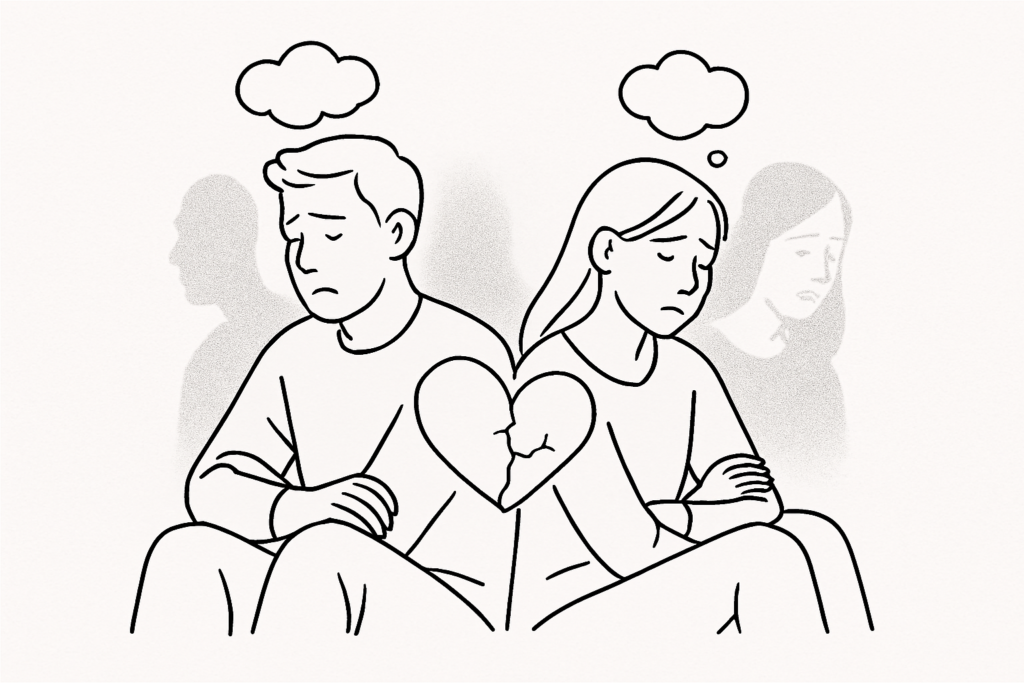
Insecurities are silent internal struggles that arise from doubt, fear, and anxiety. They often manifest externally through behavioural changes such as overthinking, excessive need for reassurance, controlling tendencies, emotional withdrawal, or sudden emotional outbursts.
Common Causes of Insecurities in Relationships
1. Reflection of the Past
Individuals who have experienced betrayal, neglect, abandonment, or toxic relationships often become emotionally sensitive. The fear of history repeating itself and uncertainty about the future can trigger overthinking, ultimately spoiling the present moment.
2. Low Self-Esteem
People with low self-esteem often struggle with self-worth. This internal battle gives rise to doubt, fear, and anxiety, which eventually manifest as insecurities within the relationship.
3. Attachment Styles
Attachment styles shape how individuals experience closeness, trust, and emotional security. There are four main types:
- Secure Attachment
Emotionally stable, trusting, and comfortable with intimacy. They generally feel secure within themselves and their relationships. - Anxious Attachment
Fear abandonment and constantly seek reassurance. Persistent worry keeps them emotionally insecure. - Avoidant Attachment
Fear emotional closeness and intimacy. Their emotional distancing often creates insecurity within the relationship. - Fearful-Avoidant Attachment
Experience a push–pull dynamic—wanting closeness yet fearing it. This inconsistency often creates confusion and insecurity for both partners.
4. Lack of Expression
When individuals fail to express their thoughts, emotions, or expectations, misunderstandings arise. Silence is often misinterpreted as disinterest or rejection, leading to emotional distance and insecurity.
5. Curated Reel-Life Comparison Culture
Social media promotes carefully curated images of “perfect” individuals and relationships. Constant exposure to unrealistic standards of beauty, success, and lifestyle can trigger feelings of inadequacy, jealousy, and self-doubt, making individuals question the worth of their own relationships.
6. Emotional or Physical Distance
Busy schedules, stress, unresolved conflicts, lack of communication, long-distance dynamics, or reduced quality time can create emotional and physical gaps. These gaps often give rise to feelings of neglect and insecurity.
How to Identify Insecurities in a Relationship
Insecurities are often subtle and go unnoticed, but common signs include:
- Constant need for reassurance
- Overthinking small actions or words
- Jealousy without clear reasons
- Checking phones or social media
- Avoiding important conversations
- Giving silent treatment
- Emotional withdrawal
- Controlling behaviour
- Lack of trust
Insecurities and the Individual
Living with persistent insecurities can be emotionally exhausting. Over time, it may lead to anxiety, self-criticism, mood swings, emotional dependence, and loss of self-confidence. Chronic insecurity can weaken self-esteem and, in extreme cases, cause individuals to lose their sense of identity.
Insecurities and the Relationship
Managing insecurities is essential for a healthy relationship. When left unaddressed, insecurities create communication barriers, damage trust, and weaken intimacy. The relationship becomes emotionally draining, and love slowly shifts from being a source of comfort to a source of stress.
Suppressed Insecurities
Many individuals suppress their insecurities out of fear of judgment or a desire to appear mature and strong. However, unspoken insecurities do not disappear on their own—they accumulate and intensify over time, eventually worsening emotional distress and relational conflict.
How to Manage Insecurities
- Acceptance
Acknowledge the insecurity without self-judgment. Awareness is the first step toward healing. - Express Without Accusation
Use “I” statements and express feelings clearly. Healthy communication invites understanding, not defensiveness. - Build Self-Worth Outside the Relationship
Pursue hobbies, friendships, career goals, and self-care. Emotional independence reduces dependency-driven insecurity. - Create Emotional Safety Together
Emotional safety allows partners to be vulnerable without fear, strengthening trust and intimacy. - Set Healthy Boundaries
Boundaries protect individuality. Respecting personal space strengthens mutual trust. - Limit Harmful Comparisons
Every individual and relationship is unique. What works for others may not work for you. Focus on what nurtures your bond. - Seek Professional Support if Needed
Seeking help is not weakness—it is a commitment to growth and emotional well-being.
How Insecurities Can Become a Path to Growth
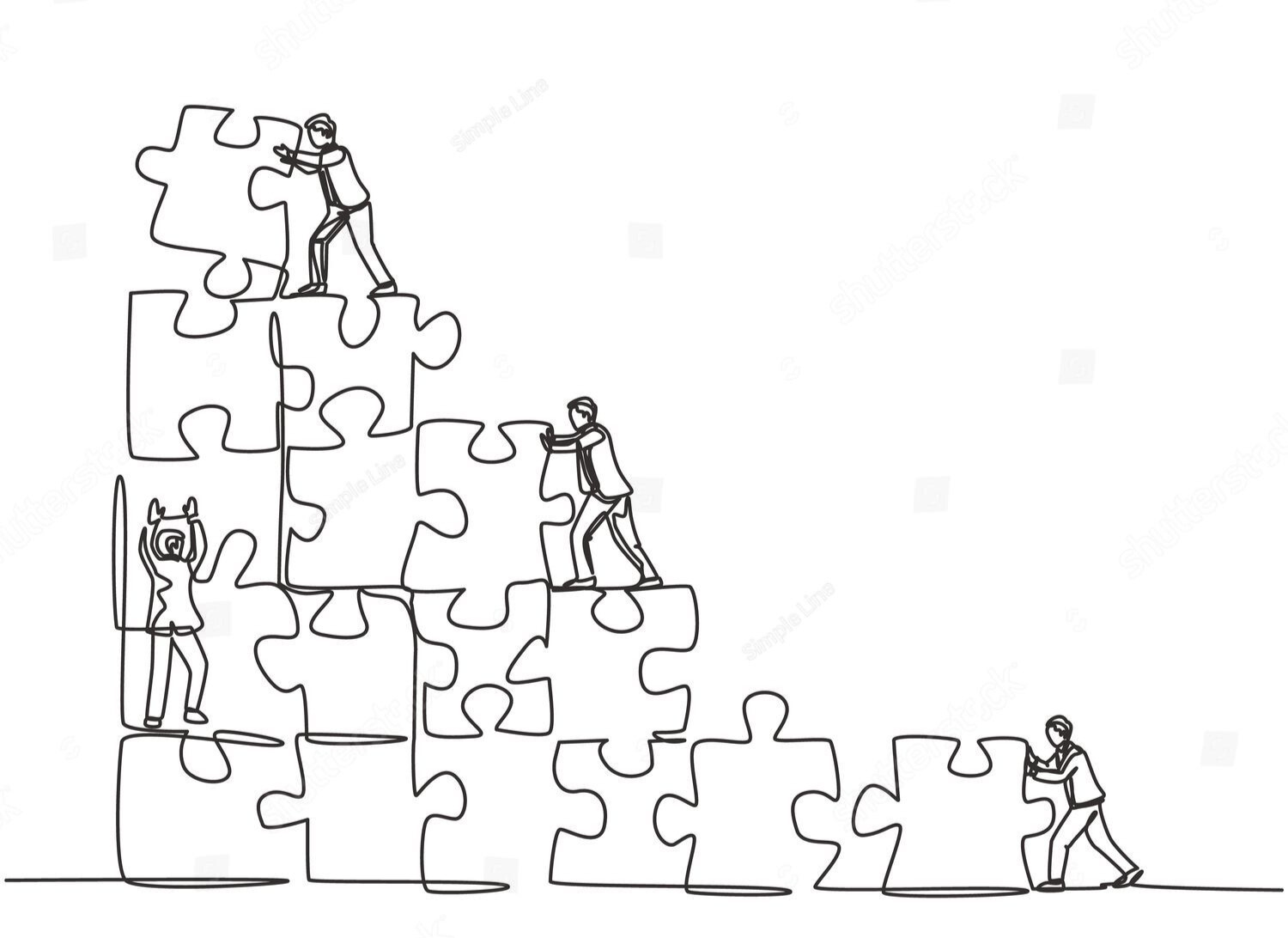
When partners face insecurities together with a shared intention to heal, emotional intimacy deepens. Relationships that survive vulnerability often become stronger, more resilient, and more meaningful.
Conclusion
A healthy relationship is not one where insecurities never arise, but one where partners feel safe enough to acknowledge them, communicate openly, and support each other’s growth. With self-awareness, emotional responsibility, honest communication, and compassion, insecurities can transform from sources of fear into opportunities for deeper connection and lasting love.