Toxic Partner
Introduction
Every relationship begins with hope, love, and dreams—the dream of building a life together, supporting each other, and becoming a safe emotional space through both good and difficult times. A healthy relationship nurtures confidence, trust, mutual respect, and growth.
However, not all relationships continue on this path. Sometimes, care gradually turns into control, concern into manipulation, and love into emotional exhaustion. What once felt safe begins to feel draining, confusing, and overwhelming—this is where toxicity begins to take shape.
Toxicity is not always loud, abusive, or visibly conflicting. Often, it is subtle, emotionally draining, and difficult to recognize. Through this blog, we explore what defines a toxic partner, common behavioral patterns, emotional impact, and the path toward healing and emotional safety.
What Is a Toxic Partner?
It is important to understand that occasional mistakes, disagreements, or misbehavior do not make a relationship toxic. Toxicity is defined by consistent patterns of behavior that harm emotional, mental, or psychological well-being.
A toxic partner repeatedly creates fear, insecurity, imbalance, or emotional pain, making the relationship unhealthy over time.
Signs and Symptoms of a Toxic Relationship
- You feel more drained than supported
- You often feel confused or emotionally unsettled
- You feel neglected, unvalued, or unheard
- You feel anxious or unsafe expressing your thoughts and emotions
Common Characteristics of a Toxic Partner
1. Constant Criticism and Devaluation
A toxic partner frequently criticizes, compares, or uses sarcasm and insults. They highlight flaws while rarely appreciating, leading to self-doubt and a constant need for validation.
2. Control Disguised as Care
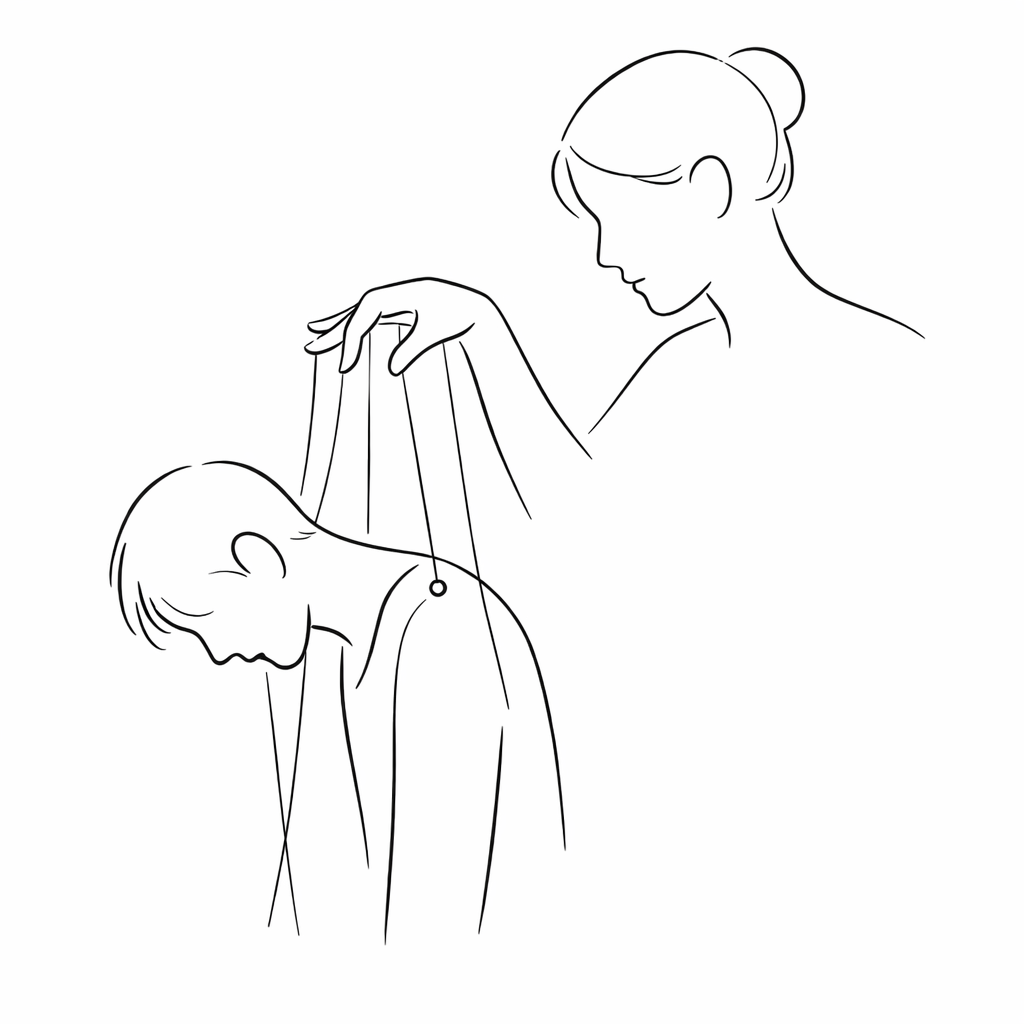
What appears as concern may actually be control—monitoring your actions, questioning your independence, or making decisions on your behalf. Over time, this erodes autonomy and creates emotional dependence, often accompanied by unhealthy jealousy.
3. Emotional Manipulation
They may play the victim, guilt-trip, or twist facts to create confusion. This can lead you to question your own perception of reality and feel emotionally unstable.
4. Blame-Shifting and Lack of Accountability
Toxic partners rarely take responsibility. They shift blame, dismiss your perspective, and avoid accountability, creating a cycle where issues repeat without resolution.
5. Emotional Inconsistency
Their behavior may swing between affection and conflict. This unpredictability creates confusion and keeps you emotionally unsettled.
6. Emotional Neglect
Despite being in a relationship, you may feel lonely due to unmet emotional needs, ignored boundaries, and lack of empathy.
Impact of a Toxic Relationship
1. Low Self-Esteem
Constant criticism and invalidation gradually weaken confidence.
2. Emotional Dependency
Fear, guilt, or conditional affection can create unhealthy emotional reliance.
3. Anxiety and Emotional Fatigue
Suppressed expression and fear of conflict lead to ongoing stress, anxiety, and exhaustion.
Why People Stay in Toxic Relationships
- Toxicity often develops gradually and is hard to recognize
- Unhealthy behavior becomes normalized over time
- Trauma bonding creates strong emotional attachment
- Low self-esteem and fear of being alone prevent leaving
- Hope for change keeps the person invested
- Social, financial, or family pressures restrict decisions
Toxic Partner vs. Imperfect Partner
Understanding the difference is crucial:
- Imperfect Partner: Makes mistakes, listens, takes responsibility, and grows
- Toxic Partner: Repeats harmful behavior, avoids accountability, and dismisses your pain
The key difference lies in growth and accountability.
When Toxicity Becomes Abuse
Over time, toxic behavior can escalate into abuse. Warning signs include:
- Threats, intimidation, or isolation
- Persistent humiliation
- Fear of expressing yourself
- Loss of independence
At this stage, seeking external or professional help becomes essential.
Healing and Emotional Safety
1. Acknowledge the Reality
Recognizing and labeling toxic behavior is the first step toward clarity and healing.
2. Reconnect and Seek Support
Reach out to trusted friends, family, or professionals. Therapy can help process emotional trauma and rebuild self-worth.
3. Set and Enforce Boundaries
Boundaries are essential but often violated in toxic relationships. Consistently enforcing them is crucial.
4. Choose Self-Respect Over Fear
Prioritizing your self-worth may be difficult, but it is necessary for emotional well-being.
Healing After a Toxic Relationship
Healing takes time, but it allows you to:
- Rebuild your identity
- Process emotional trauma
- Learn healthy relationship patterns
- Practice self-compassion
Conclusion
Toxicity is defined by its impact, not intention. A toxic partner may not always appear harmful—often, toxicity is hidden behind charm, affection, or emotional intensity.
Recognizing these patterns and choosing to step away is not a failure—it is an act of self-respect, self-care, and emotional preservation.