Tag: relationship growth

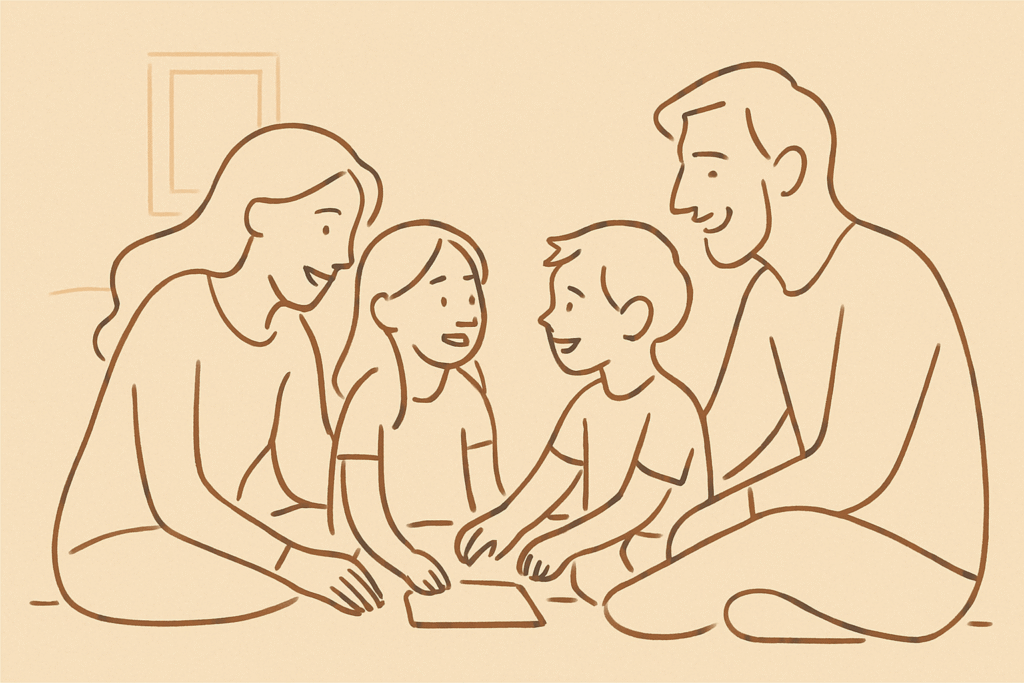
  • Low-Cost Family Bonding Ideas That Bring Real Joy

    low budget family time AG.OG..SunoG...

    Low-Cost Family Bonding Ideas That Bring Real Joy

    Introduction

    The desire to earn more is human—but the truth is that nature already gives us everything we need to live a meaningful and peaceful life. What nature asks in return is simple: intention, effort, and gratitude. When families do things together—no matter how small—they build trust, connection, and memories that truly matter.

    Yet today, many families live under the same roof but emotionally feel miles apart. To help bridge this gap, here are some low-cost but powerful family bonding ideas that create joy, togetherness, and lifelong memories.


    1. Put Away Phones and Be Fully Present

    The first step toward true connection is simple—disconnect from gadgets and connect with each other. Keep one phone active for emergencies and put the rest aside. Being mentally and physically present with your family instantly improves bonding.


    2. Cook Meals Together

    Food nourishes the body—but cooking together nourishes relationships.
    From selecting vegetables, chopping, cooking, and presenting the meal, every step becomes a shared experience. It teaches teamwork, patience, responsibility, and love. The same applies to other household chores done together.


    3. Play Indoor Games or Enjoy Rooftop Bonfires

    A cozy room, board games, music, or a simple rooftop bonfire can create priceless memories. These moments bring laughter, conversations, and joy—something every family longs for in today’s busy world.


    4. Take Morning or Evening Walks

    Walking together isn’t just good for health—it opens the door for relaxed, meaningful conversations that don’t usually happen at home. The time you give today may be cherished years later.


    5. Learn and Grow Together

    Change is constant, and learning never stops. Create a dedicated weekly family learning time:

    • Kids can share science or tech updates
    • Working adults can share current trends
    • Elders can share spiritual or cultural wisdom

    This strengthens emotional bonds and passes on family values.


    6. Practice Gratitude Together

    We live in a world filled with negativity—but positivity is something we must create from within.
    The easiest way to build positivity is through gratitude.
    Being thankful together deepens emotional closeness, strengthens relationships, and fills the home with warmth and peace.


    7. Create Something New From Old Items

    Upcycling old items into something creative brings appreciation, teamwork, and a sense of achievement. These small creations become reminders of unity during tough times.


    8. Write Surprise Notes or Messages

    Keep small handwritten notes, appreciation messages, or tiny surprise gifts for family members to open on a special day. The curiosity and excitement keep relationships warm, loving, and emotionally alive.


    9. Do Acts of Kindness as a Family

    Helping others together brings deep satisfaction and shared purpose. Kindness builds strong family values, emotional bonding, and a positive environment not just at home—but in society too.


    10. Celebrate Small Wins

    Small moments of joy matter the most. Celebrate tiny achievements—good results, finishing a project, learning something new, or simply a good day. These celebrations increase happiness, respect, and closeness in the family.


    Why Low-Cost Activities Matter More

    1. They’re accessible to everyone—no financial pressure.
    2. They shift focus from money to meaningful connection.
    3. They remind us that joy doesn’t belong only to the wealthy.
    4. They build trust, emotional security, and resilience.
    5. They create lasting memories that cost little but mean everything.

    Conclusion

    Family bonding doesn’t require luxury—only presence, intention, and love.
    Start with just one idea from this list and practice it consistently. Over time, these simple moments will turn into cherished memories that bring real joy, peace, and closeness to your family.


  • Signs of Emotional Compatibility in Couples

    Emotional Compatibility AG.OG..SunoG...

    Signs of Emotional Compatibility in Couples

    Introduction

    Instant chemistry may bring two people together, but long-term sustainability requires much more than attraction. The real backbone of a lasting relationship is emotional compatibility. It creates deep levels of understanding, acceptance, comfort, and connection between partners.


    What Is Emotional Compatibility?

    Emotional compatibility is the emotional rhythm two partners share. It reflects how well they understand, respond to, and support each other. It shapes how they:

    • Communicate their needs
    • Manage disagreements
    • Express affection
    • Handle life’s challenges
    • Offer emotional safety

    This compatibility becomes the glue that holds the relationship together through all highs and lows.


    Qualities of Emotionally Compatible Relationships

    1. Partners often understand each other without needing many words.
    2. They feel safe, respected, and free—even during disagreements.
    3. They don’t judge each other’s emotions, thoughts, or vulnerabilities.

    Why Emotional Compatibility Matters

    Emotional compatibility is the driving force behind a healthy relationship.
    Trust, harmony, and emotional security are its foundation. Even if partners share goals and values, without these three elements, the relationship struggles to survive.


    Key Signs of Emotional Compatibility in Couples

    1. You can express yourself freely

    You feel safe sharing your thoughts and emotions without fear of judgment or rejection.

    2. Conflicts are handled with respect

    Arguments happen, but emotionally compatible couples resolve them with understanding—not resentment.

    3. Honest, clear communication comes naturally

    You can talk openly about everything—finances, fears, future plans—without assumptions or defensiveness.

    4. Your love languages align

    Both partners understand how the other gives and receives love, reducing misunderstandings and increasing fulfillment.

    5. You support each other’s growth

    Encouragement, appreciation, and inspiration become natural. Jealousy has no room here.

    6. You take responsibility for your actions

    Your emotional awareness increases, and your language shifts from reactive to mindful.

    7. Being together feels peaceful and comforting

    The relationship feels like a stable, supportive space where you genuinely enjoy each other’s company.

    8. You respect each other’s personal space

    You understand when your partner needs alone time. Boundaries feel like respect—not rejection.

    9. Shared joy becomes effortless

    You laugh together, create small happy moments, and comfort each other during tough times. Your emotional and intellectual energies align naturally.

    10. Silence feels as comfortable as conversation

    You don’t need constant words. You understand each other’s presence, emotions, and even silence.


    How to Build Emotional Compatibility

    Emotional compatibility is not a pre-gifted quality—it is built over time with conscious effort.

    1. Be an active listener. Allow your partner to express themselves fully.
    2. Share your feelings, not just facts. Emotional transparency builds closeness.
    3. Practice empathy, even during disagreements. Try to understand their emotional viewpoint.
    4. Don’t let emotional distance grow. Communicate consistently and openly.
    5. Spend quality time together. Shared moments create emotional bonding and security.

    When Emotional Compatibility Is Lacking

    You may feel neglected, misunderstood, emotionally drained, or taken for granted. Common signs include:

    • Constant miscommunication
    • Fear of being judged
    • Lack of emotional availability or acceptance

    If both partners are willing, emotional compatibility can still be nurtured through honest communication, self-awareness, and professional support like therapy.


    Conclusion

    When two people share emotional alignment, love becomes more than attraction—it becomes true partnership.
    If you and your partner can communicate openly, support each other’s growth, and build emotional safety, you’re not just in love—
    you’re emotionally aligned.
    And that is the kind of love that lasts, deepens, and heals.

  • Grow together in a relationship

    Growing together AG.OG..SunoG...

    Learning to Grow Together — Not Apart
    Introduction
    Growth is inevitable—we all know this. We dream, we work, and we strive to grow. But the catch is that in a relationship, growth must happen together. A budding relationship begins with excitement, closeness, and emotional warmth. But as time passes, people change. Partners may begin to drift apart—not because the spark dies, but because priorities shift, and individual growth starts overshadowing mutual growth.

    Personal growth is important for satisfaction and happiness, but long-term harmony and emotional closeness can only be achieved when growth happens at both individual and mutual levels.


    Why Couples Grow Apart

    It’s not magic or a sudden shift—it happens gradually. The disconnect begins quietly. Some common reasons include:

    1. Lack of Communication

    Partners may face emotional distance when they stop understanding each other’s evolving needs and priorities. When communication becomes mechanical or is taken for granted, the emotional bond weakens.

    2. Ignoring Individual Growth

    When one partner keeps investing in their growth while the other becomes passive, it creates imbalance. Differences in growth mindsets widen the emotional gap over time.

    3. Different Life Goals

    Ambition is healthy, but goals need mutual alignment. When goals are not revisited or realigned with time, partners may start walking on different paths, pulling away from each other.

    4. Emotional Neglect

    Emotional voids build up silently. Feelings of neglect turn into resentment, creating invisible walls that damage the relationship.

    5. Taking Each Other for Granted

    When appreciation fades, partners stop feeling valued. The relationship begins to feel like coexisting roommates instead of a team celebrating each other’s progress.


    What Do We Mean by “Growing Together”?

    Growing together means transforming me and you into us, without losing individuality. It means setting goals that complement each other and supporting each other’s journey. It is celebrating each other’s success rather than feeling threatened by it.


    How to Grow Together Instead of Apart

    1. Have Deep and Honest Conversations

    These conversations keep emotional intimacy alive and reduce misunderstandings.

    2. Celebrate Each Other’s Growth

    Encourage each other’s dreams. Healthy relationships have no room for jealousy—each partner grows as the other evolves.

    3. Set Shared Goals

    Along with personal goals, shared goals give purpose and direction to the relationship.

    4. Reconnect Regularly (Emotional Check-Ins)

    Simple conversations, shared time, and emotional check-ins help partners feel valued and reduce unintentional neglect.

    5. Learn and Experience New Things Together

    Shared experiences build memories, deepen bonding, and create a sense of teamwork.

    6. Handle Conflicts Maturely

    Disagreements are natural. Handling them with patience enhances mutual respect and trust.

    7. Be Flexible and Embrace Change

    As life evolves, priorities change. Revisiting and adjusting priorities strengthens emotional connection.

    8. Respect Individuality and Personal Space

    Personal space allows emotional reset, creativity, and deeper maturity in the relationship.

    9. Prioritize Quality Time

    In busy lives, intentional quality time strengthens emotional intimacy and reconnects partners with their shared journey.

    10. Appreciate and Express Gratitude

    Small acts of appreciation make partners feel seen, valued, and accepted with all imperfections.


    The Benefits of Growing Together

    Growth is a lifelong journey. When partners grow together, they build a strong emotional foundation that enhances resilience. Knowing “we are a team” strengthens love, respect, maturity, and long-term stability.


    When You Feel You’re Growing Apart

    If you feel distance or emotional disconnect, communicate openly. Understanding the cause helps both partners realign, reconnect, and rebuild.


    Conclusion

    Change is natural. Learn to grow with each other rather than away from each other. Shared purpose, communication, and emotional involvement create a vibrant relationship. Growing together means learning, adjusting, forgiving, celebrating, and staying emotionally connected—even as life changes.

    Remember:
    True love isn’t just about finding someone to live with—it’s about finding someone to grow with.