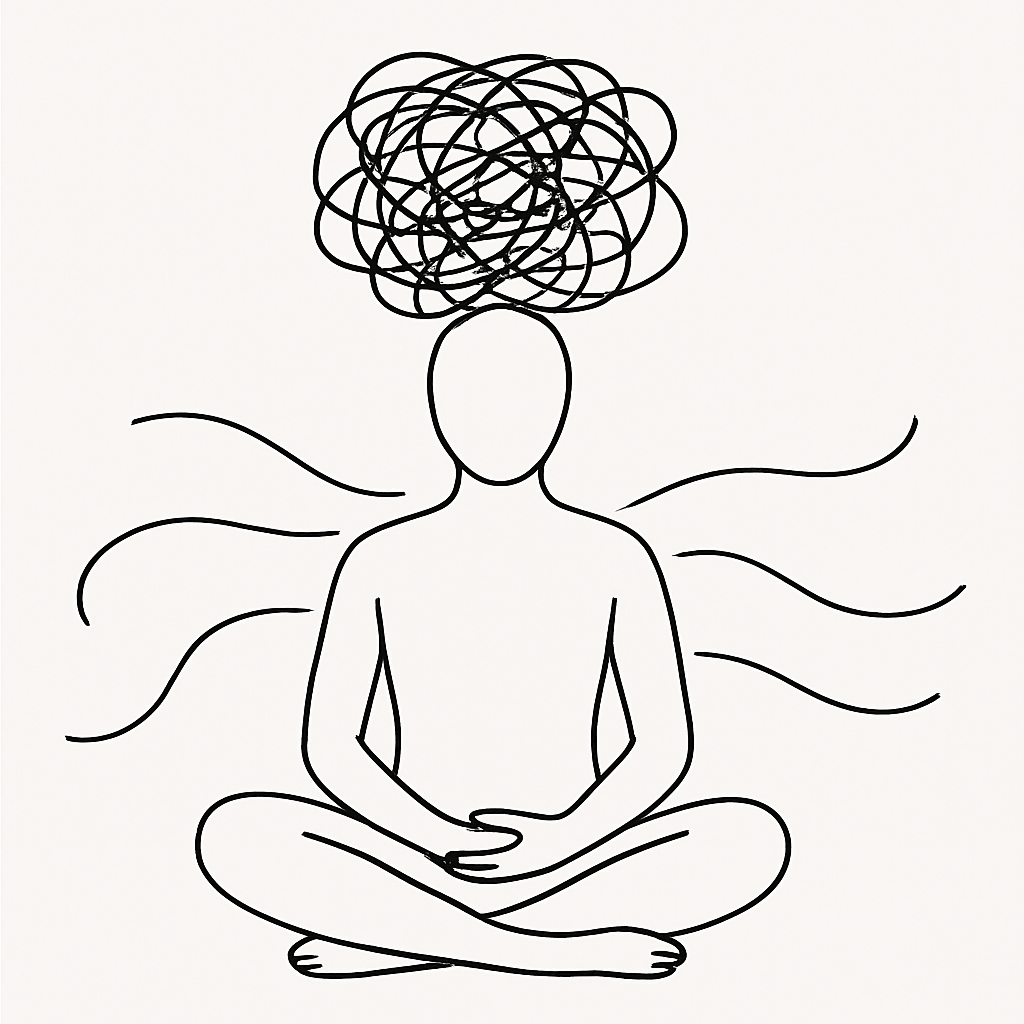
Stress: Understanding the Silent Pressure of Everyday Life
Introduction
In today’s fast-moving and highly competitive world that constantly values productivity, achievement, and perfection, stress has become almost inevitable. Knowingly or unknowingly, stress has turned into a constant companion—quietly weaving itself into our daily responsibilities, expectations, and unspoken emotions.
Stress is rarely loud. In fact, a certain amount of stress is natural and even necessary for day-to-day functioning. It helps us stay alert, motivated, and responsive. The real problem begins when stress becomes chronic or remains unmanaged. Over time, it slowly erodes our mental, emotional, and physical well-being.
Understanding stress is not a luxury—it is essential for healthier living, emotional balance, and stronger relationships.
What Is Stress?
Stress is the body’s natural response to situations that demand attention, effort, or adaptation. It is a reflex mechanism designed to protect us.
Whenever the body perceives a threat or challenge, it releases stress hormones—primarily cortisol and adrenaline—that prepare us to react quickly. This physiological reaction is medically known as the “fight or flight” response.
In short bursts, this response is helpful. However, when the body remains in this heightened state for prolonged periods, stress starts causing harm instead of protection.
The Pros and Cons of Stress
Stress is not entirely negative. In fact, it has both positive and negative aspects.
Positive Effects of Stress
- Sharpens focus and alertness
- Boosts energy levels
- Encourages problem-solving
- Helps meet deadlines
- Motivates action during challenges
Negative Effects of Stress
When stress becomes prolonged or unmanaged, it stops being beneficial and begins to impact overall health and quality of life—mentally, emotionally, and physically.
Common Sources of Stress in Daily Life
Stress often follows us from the moment we wake up until we finally fall asleep. Every phase of the day carries its own pressures.
1. Work and Career Pressure
Time-bound office schedules, job insecurity, performance expectations, long working hours, meeting deadlines, and constant evaluations contribute significantly to stress.
The situation worsens due to technology, where accessibility and connectivity have become a 24×7 expectation, making it difficult to truly disconnect. Over time, this leads to burnout and emotional exhaustion.
2. Relationships and Family Responsibilities
Every relationship—between parents and children, partners, spouses, friends, or peers—requires time, effort, and emotional presence.
Lack of communication, misunderstandings, emotional distance, unmet expectations, parenting challenges, and caregiving responsibilities can create immense emotional pressure. Balancing relationships often becomes mentally draining and stressful.
3. Financial Stress
Bills, loans, family expenses, savings, rising living costs, and uncertainty about the future keep the mind constantly engaged. Financial stress affects sleep, emotional stability, decision-making, and even personal relationships. It is one of the most common stressors in adult life.
4. Health and Lifestyle Factors
Persistent work routines combined with family and social responsibilities leave little time for self-care. This often leads to poor sleep, irregular eating habits, reduced physical activity, increased screen time, and emotional fatigue—creating a continuous cycle of stress.
5. Social and Emotional Pressure
The pressure to appear strong, social media influence, fear of judgment, and fear of failure often lead people to suppress their emotions. Suppressed emotions don’t disappear; they accumulate over time and eventually manifest as chronic stress, anxiety, irritability, or emotional breakdowns.
How Stress Affects the Body and Mind
Unmanaged or chronic stress can seriously impact overall health, making early recognition and management crucial.
Effects of Stress on Physical Health
- Constant fatigue
- Sleep disturbances
- Headaches and body aches
- Lowered immunity
- Digestive issues such as acidity or irritable bowel symptoms
- High blood pressure
- Heart-related concerns
Effects of Stress on Emotional and Mental Health
- Anxiety
- Overthinking
- Irritability
- Mood swings
- Difficulty concentrating
- Difficulty making decisions
- Feelings of helplessness or hopelessness
- Loss of motivation or interest
- Depression in prolonged cases
Effects of Stress on Relationships
- Behavioral changes
- Short-tempered reactions
- Emotional withdrawal
- Miscommunication
- Frequent conflicts
Stress often speaks through behavior rather than words.
Why Stress Often Goes Unnoticed
Stress is silent and frequently normalized through thoughts like:
- “Everyone is stressed.”
- “This is just how life is.”
- “I’ll deal with it later.”
- “It’s normal to feel this way.”
Over time, living under constant pressure becomes routine. When stress becomes familiar, it stops being recognized—until it begins to damage health and relationships.
Practical Ways to Manage Everyday Stress
Acceptance is the first step toward managing stress. Small, consistent efforts done with intention can create a significant positive impact.
1. Acknowledge Stress
Acceptance is not a sign of weakness; it is an act of self-awareness. Recognizing stress lays the foundation for effective management.
2. Express Yourself
Expressing emotions—through talking, writing, or creative activities—helps release emotional burden and reduces stress buildup.
3. Set Healthy Boundaries
Setting boundaries may feel uncomfortable initially, but in the long run, it protects emotional well-being. Learning to say “no” is an essential life skill.
4. Prioritize Self-Love
Rest, self-care, and personal time are not indulgences; they are necessities. They help restore emotional and physical energy.
5. Build Healthy Relationships
Having at least one safe space where emotions can be expressed without judgment acts as a powerful stress buffer. Feeling understood and supported significantly reduces stress.
6. Prioritize Tasks
Start with small, manageable steps. Completing simpler tasks builds confidence and motivation to tackle bigger challenges.
7. Practice Gratitude and Mindfulness
Gratitude and mindfulness help calm the mind, reduce mental clutter, and create emotional balance.
8. Stay Physically Active
Physical activity, yoga, meditation, or exercise triggers the release of endorphins, which naturally counter stress hormones.
9. Maintain a Balanced Lifestyle
Nutritious food, proper hydration, reduced caffeine intake, adequate sleep, and mindful digital consumption play a major role in emotional stability.
10. Seek Professional Help When Needed
When stress begins to interfere with daily functioning, relationships, or health, seeking professional support is a wise and responsible step.
Conclusion
Stress is never loud, and most of the time, it goes unnoticed or ignored. Yet the reality is that stress is inevitable. What truly matters is how early we listen to it and respond.
By acknowledging stress instead of suppressing it, we move closer to healing, resilience, and inner peace. The sooner stress is addressed, the easier it becomes to manage. Ignoring it during the initial stages can lead to chronic stress, anxiety disorders, depression, and serious physical illnesses.
Listening to stress is not weakness—it is self-care.