Tag: healthy relationships

  • The Usual Red Flags and Green Flags in a Relationship

    Red Flags Green Flags AG.OG..SunoG...

    The Usual Red Flags and Green Flags in a Relationship: What to Watch For and What to Nurture

    Introduction

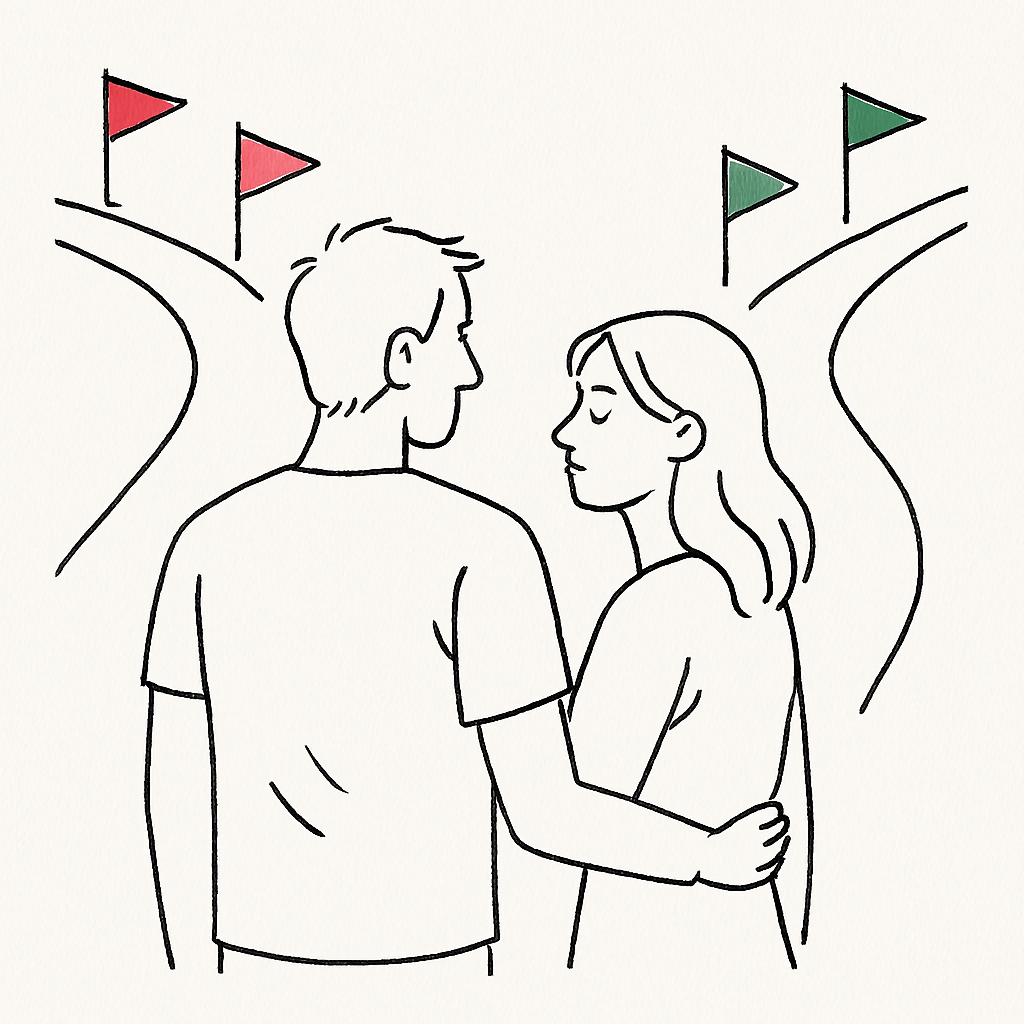
    The positives and the negatives of a relationship are usually metaphorized by the green and red flags in a relationship. It all depends on how the partners treat each other, and this forms the foundation to decide the longevity of a relationship.


    What Are Red Flags and Green Flags?

    Red flags are the warning signals indicating unhealthy patterns, risks and toxicity, while green flags on the other hand are the positive signals indicating respect, relationship readiness and emotional health.

    We all know and understand that no one is perfect and sometimes somewhere we all make mistakes. But the willingness to accept, learn, apologize, respect, rectify and grow is what matters the most in a relationship.


    Common Red Flags in a Relationship

    1. Avoidance and Poor Communication

    When the partners start avoiding each other or start avoiding proper communication it starts building stress and emotional distance in the relationship.

    2. Disrespect

    Self Respect is non negotiable. Disrespect erodes the emotional safety and self worth building stress and emotional distance between the couple.

    3. Accountability

    The failure of the any partner in a relationship, to take the responsibility for his or her actions and rather start a blame game indicates emotional immaturity giving birth to stress, insecurity and emotional distance.

    4. Dominance and Control

    It may be emotionally and mentally very satisfying to dominate and control our partners but the fact is dominance and Control not always represents care. It may be in any form be it the dressing style or time and pace for friends.

    5. Jealousy

    As we know that mild jealousy is inevitable and is actually healthy but constant suspicion reflects insecurity and lack of trust. Without trust no couple, no partner can survive a relationship.

    6. Inconsistent Behaviour

    Unpredictability, mixed signals or on and off situations bring emotional instability to any partner. The instability brings insecurities and emotional distance.

    7. Pushing the Limits or Boundaries

    Ignoring the limits even after a proper and clear communication is a major red flag. Be it emotional, physical or personal, healthy love respects limits.

    8. Manipulation

    Manipulation erodes the trust and transparency in a relationship. Manipulative behaviour becomes emotionally damaging as it makes you question your self reality, feelings or memory.

    9. Lack of Empathy

    Acts like dismissing the emotions, or showing little or no concern towards the partner brings emotional distancing in a relationship. Empathy is very essential for a emotional connection.

    10. Unhealthy or Fear-Based Attachment

    Constant fear of loss, constant feeling of guilt or consistent emotional pressure in a relationship indicates an unhealthy attachment. Unhealthy attachment is no way a source of happiness and stability in a relationship and eventually when the threshold gets triggered the relationship dies.


    Why Are Red Flags Often Ignored

    The excitement of being in a relationship or the initial priority of any couple is to develop chemistry to be in a relationship. The focus or excitement often super-seeds and intentionally or inadvertently makes the couple ignore the red flags.

    The couple may feel excited and feel some emotional attachment often hoping that the partner would change for better, but unfortunately it never happens.

    The fear of being alone or the social and family pressure makes a person commit to just anything that shows some signs of attachment without realizing or noticing the common red flags.


    The Common Green Flags

    1. Communication

    Partners feel at ease and are able to express themselves without the fear of judgement or retaliation. Even the difficult communications feel safe and no person feels threatened for anything.

    2. Emotional Safety

    Safety builds the intimacy. Partners feel accepted, heard and valued on a emotionally safe relationship. A partner can be his or her own self without fear.

    3. Consistency

    Consistency with actions and words showing signs of affection, respect, positive behaviour can create trust bringing the partners together.

    4. Respect

    Respecting each other’s individuality, opinions, boundaries, and life choices even during the dark phases of conflict and disagreements, display the act of mutual respect building trust and bringing the partners together.

    5. Conflict Resolution

    Managing conflicts and disagreements with calmness and empathy, focusing on a solution-oriented approach rather than a winning edge approach is a sign of emotional maturity that promotes growth and love as a couple.

    6. Accountability

    Partners who freely acknowledge their mistakes and don’t feel shame to apologise to each other for their mistakes open room for growth building love and emotional maturity ultimately giving a green flag to the partner.

    7. Support

    Partners who support each other accomplish goals in life, remove jealousy and insecurities from their relationship making room for mutual love, respect and growth.

    8. Transparency

    When the partners feel comfortable to keep the transparency about work, associations, finances etc in the relationship without feeling insecure or considering it as invasion of privacy, they bring peace and harmony earning trust and respect for each other.

    9. Emotional Maturity

    Partners who are emotionally mature can manage stress and disagreements very compassionately. They can even regulate the emotions bringing in emotional stability that deepens the bond and elongates the longevity of a relationship.

    10. Choice Not Obligation

    When the relationship is based on mutual acceptance by the partners and is free from guilt and pressures it feels like a choice. The acceptance increases relationship flourishes.


    Difference between the Red and the Green Flags

    Relationship flags are marked on the basis of partner behaviour and acceptance.
    A relationship based on values of trust, respect, clarity, transparency, emotional safety and accountability is usually marked as a green flag whereas a relationship based on fear, control, emotional instability, unnecessary blame is marked under the red category.


    Can Red Flags Turn into Green Flags?

    “Impossible” which by itself says “I’m possible”. So we can say everything is possible but only with consistent efforts, acceptance, awareness and accountability.


    Conclusion

    Love and healthy relationship should bring peace, growth, emotional safety and respect that should never be compromised. Understanding the red and green flags makes it easier to make good and healthy relationship choices.
  • The Unspoken Words in a Relationship

    unspoken words inn a relationship AG.OG..SunoG...

    The Unspoken Words in a Relationship

    Introduction

    Be it the expression of love, normal chit chats or discussions, setting boundaries, conflict resolution, or emotional intimacy, words play a very important role in any relationship. Yet, many impactful messages are often not spoken but expressed through silence, gestures, suppressed emotions, pauses, and actions. These unspoken words are so powerful that they may either deepen the bond or create distance between two individuals.

    It has often been observed that relationships fall apart not because love ends, but because certain feelings remain unspoken. Understanding these unspoken words becomes essential for growing together, connecting emotionally, and ensuring the long-term sustainability of a relationship.


    What Are Unspoken Words?

    Unspoken words are the emotions, thoughts, needs, or expectations that one partner fails to express or intentionally avoids communicating to the other. These may include unexpressed love, suppressed anger, feelings of neglect, or emotional pain. Over time, these unspoken emotions may bring changes in behaviour and mood, or create emotional gaps through silence, emotional burnout, or withdrawal.

    Unspoken words are not always intentional. Many times, they go unnoticed and remain unacknowledged.


    Why Do People Leave Words Unspoken?

    1. Fear of Conflict
      Fear of conflict stands as one of the most important reasons people keep their words unspoken. There is a common belief that silence preserves peace. However, people often fail to realise that silence usually delays conflict rather than resolving it.
    2. Fear of Being Misunderstood
      The fear of being misunderstood creates emotional gaps between partners, leaving many feelings unspoken.
    3. Ego
      Many individuals dismiss their emotions due to upbringing or a developed ego, which makes them suppress expression.
    4. Fear of Rejection
      The fear of rejection stops a person from sharing their needs, vulnerabilities, or insecurities.
    5. Assumptions in Relationships
      Partners often assume that the other should already know what they feel or need, without expressing it clearly.

    Common Unspoken Words in Relationships

    “I Need More Attention”

    Instead of expressing this need directly, people often show it through irritation, complaints, or emotional withdrawal. The real need is not attention, but emotional presence and reassurance.

    “I Feel Unappreciated”

    Many partners silently carry this feeling while continuing to put in effort, hoping their contribution will be noticed without having to ask.

    “I’m Afraid of Losing You”

    Deep love brings insecurity. Many people remain quiet about this fear, worried that expressing it will make them emotionally dependent or give control to the other partner.

    “I’m Not Okay”

    People often say “I am fine” while struggling internally. This false expression or silence prevents emotional connection and support.

    “I Miss Who We Used to Be”

    As relationships evolve, responsibilities increase. Partners mourn the earlier, more carefree version of the relationship but often fail to express this feeling.

    “I Need Space”

    Instead of communicating the need for healthy personal space, some people withdraw abruptly, leaving the other partner confused and hurt.


    The Cost of Unspoken Words

    When emotions remain unexpressed, partners slowly begin to feel disconnected. Conversations become surface-level, and emotional intimacy fades.

    Unspoken words often lead to assumptions. Partners guess each other’s feelings incorrectly, resulting in misunderstandings, frustration, and conflict.

    Suppressed emotions do not disappear; they accumulate. Over time, resentment builds, making even small issues feel overwhelming.

    When partners consistently hide their emotions, emotional trust is affected. Even in committed relationships, silence can create deep loneliness. Being physically present but emotionally unheard is one of the most painful relationship experiences.


    What Silence Speaks

    Silence is never empty. It always communicates something. Silence has the power to either create a bond or break one, depending on when and how it is used.

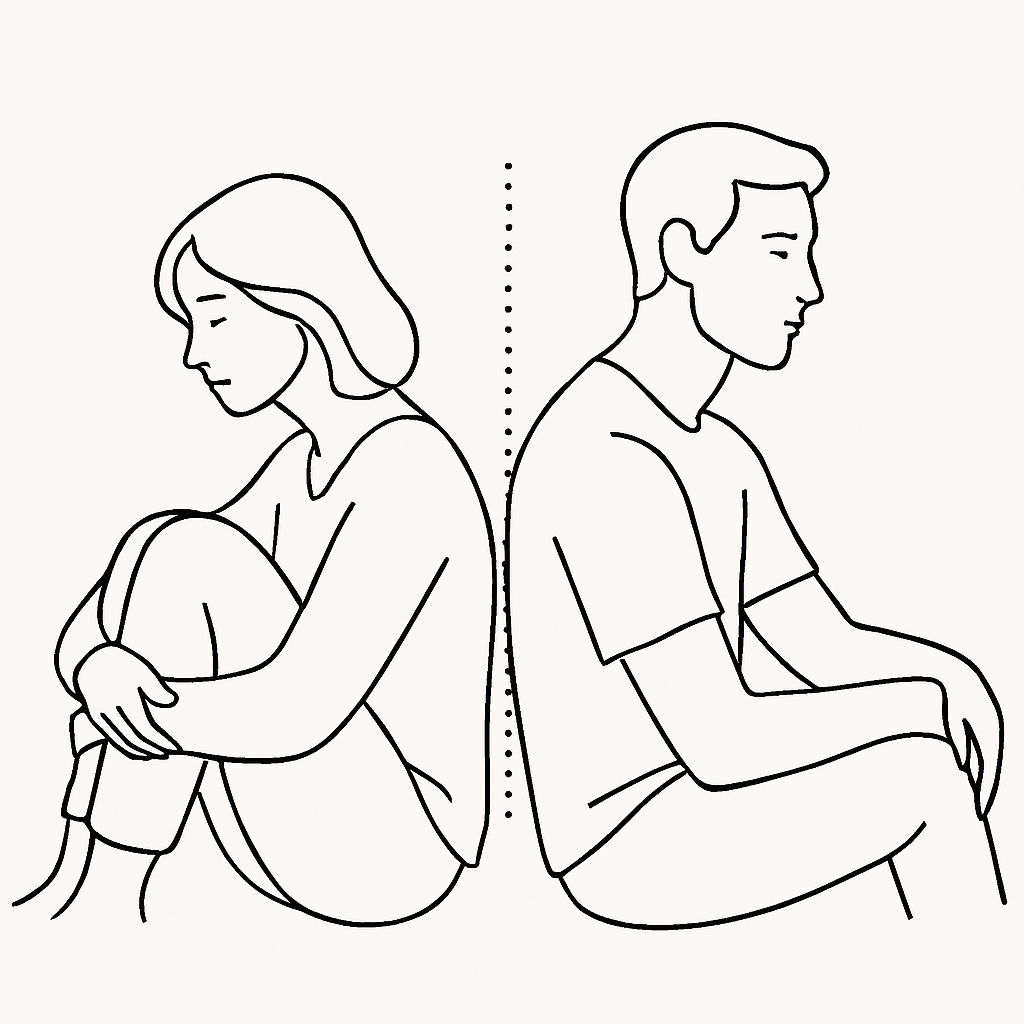
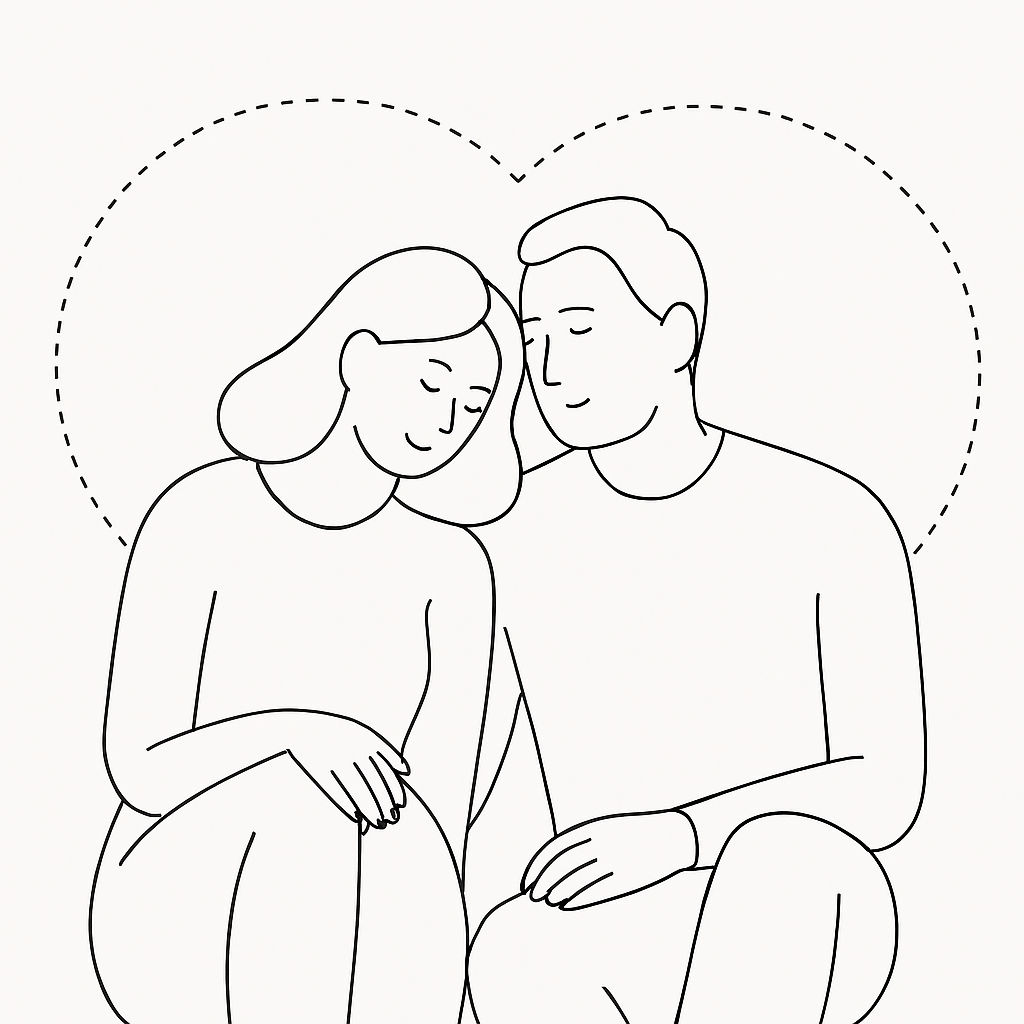
    A couple sitting quietly, relaxing in each other’s arms, sharing comfort and eye contact, reflects emotional safety. On the other hand, a long pause after an argument, lack of response to emotional sharing, or habitual avoidance of difficult conversations sends very different messages.


    Healthy Silence vs Harmful Silence

    Healthy silence is usually communicated and understood, while harmful silence is confusing and prolonged. Not all silence is negative. Silence can be reflective, calming, or necessary. The difference lies in intention and communication.

    Healthy silence allows space for emotional regulation, respects personal boundaries, and often exists where emotional safety is present.

    Harmful silence, on the other hand, creates emotional distance by suppressing truth, manipulating emotions, or avoiding important conversations. It is often rooted in emotional insecurity.


    How Unspoken Words Affect Long-Term Relationships

    Very often, relationships end not because love disappears, but because communication stops. Silence slowly shapes the emotional climate between partners, redefining how they see each other. Over time, partners grow emotionally apart, functioning more as companions than intimate partners.


    Learning to Voice the Unspoken

    1. Awareness is the first step toward change. Before expressing anything, understand your own feelings.
    2. Speak from your own perspective using “I” statements. This adds clarity and reduces blame.
    3. Emotional conversations need calm spaces, not moments of heightened conflict. Timing matters.
    4. Express honestly, but go slow. Begin with one emotion and allow it to be understood before sharing more.

    Listening to the Unspoken

    Communication involves both speaking and listening. Often, listening goes beyond words. Pay attention to tone changes, behavioural shifts, and emotional withdrawal.

    Suppressed emotions may surface intensely. Responding with patience and empathy can heal years of emotional silence.


    Unspoken Love in a Relationship

    Not all unspoken words are painful. As the saying goes, actions speak louder than words. Love often exists in actions such as:

    • Staying when things are difficult
    • Small gestures of care
    • Silent understanding
    • Emotional presence

    However, expressing love through words like “I love you,” “I appreciate you,” or “You matter to me” strengthens emotional bonds. Love without expression can slowly fade.


    Conclusion

    Silence is not the absence of communication; it is a form of communication. Silence exists in every relationship, but it must be understood and interpreted correctly for long-term emotional connection.

    Healthy relationships are those where partners feel safe to express themselves. Emotional intimacy grows when silence is met with curiosity, compassion, and courage.

    Speaking the unspoken does not weaken a relationship; it deepens it. It allows individuals to be seen, heard, and loved for who they truly are—not just for what they show.

    In the end, relationships thrive not on perfection, but on honest connection. And sometimes, the bravest words are the ones we have been silent about for far too long.

  • Signs of Emotional Compatibility in Couples

    Emotional Compatibility AG.OG..SunoG...

    Signs of Emotional Compatibility in Couples

    Introduction

    Instant chemistry may bring two people together, but long-term sustainability requires much more than attraction. The real backbone of a lasting relationship is emotional compatibility. It creates deep levels of understanding, acceptance, comfort, and connection between partners.


    What Is Emotional Compatibility?

    Emotional compatibility is the emotional rhythm two partners share. It reflects how well they understand, respond to, and support each other. It shapes how they:

    • Communicate their needs
    • Manage disagreements
    • Express affection
    • Handle life’s challenges
    • Offer emotional safety

    This compatibility becomes the glue that holds the relationship together through all highs and lows.


    Qualities of Emotionally Compatible Relationships

    1. Partners often understand each other without needing many words.
    2. They feel safe, respected, and free—even during disagreements.
    3. They don’t judge each other’s emotions, thoughts, or vulnerabilities.

    Why Emotional Compatibility Matters

    Emotional compatibility is the driving force behind a healthy relationship.
    Trust, harmony, and emotional security are its foundation. Even if partners share goals and values, without these three elements, the relationship struggles to survive.


    Key Signs of Emotional Compatibility in Couples

    1. You can express yourself freely

    You feel safe sharing your thoughts and emotions without fear of judgment or rejection.

    2. Conflicts are handled with respect

    Arguments happen, but emotionally compatible couples resolve them with understanding—not resentment.

    3. Honest, clear communication comes naturally

    You can talk openly about everything—finances, fears, future plans—without assumptions or defensiveness.

    4. Your love languages align

    Both partners understand how the other gives and receives love, reducing misunderstandings and increasing fulfillment.

    5. You support each other’s growth

    Encouragement, appreciation, and inspiration become natural. Jealousy has no room here.

    6. You take responsibility for your actions

    Your emotional awareness increases, and your language shifts from reactive to mindful.

    7. Being together feels peaceful and comforting

    The relationship feels like a stable, supportive space where you genuinely enjoy each other’s company.

    8. You respect each other’s personal space

    You understand when your partner needs alone time. Boundaries feel like respect—not rejection.

    9. Shared joy becomes effortless

    You laugh together, create small happy moments, and comfort each other during tough times. Your emotional and intellectual energies align naturally.

    10. Silence feels as comfortable as conversation

    You don’t need constant words. You understand each other’s presence, emotions, and even silence.


    How to Build Emotional Compatibility

    Emotional compatibility is not a pre-gifted quality—it is built over time with conscious effort.

    1. Be an active listener. Allow your partner to express themselves fully.
    2. Share your feelings, not just facts. Emotional transparency builds closeness.
    3. Practice empathy, even during disagreements. Try to understand their emotional viewpoint.
    4. Don’t let emotional distance grow. Communicate consistently and openly.
    5. Spend quality time together. Shared moments create emotional bonding and security.

    When Emotional Compatibility Is Lacking

    You may feel neglected, misunderstood, emotionally drained, or taken for granted. Common signs include:

    • Constant miscommunication
    • Fear of being judged
    • Lack of emotional availability or acceptance

    If both partners are willing, emotional compatibility can still be nurtured through honest communication, self-awareness, and professional support like therapy.


    Conclusion

    When two people share emotional alignment, love becomes more than attraction—it becomes true partnership.
    If you and your partner can communicate openly, support each other’s growth, and build emotional safety, you’re not just in love—
    you’re emotionally aligned.
    And that is the kind of love that lasts, deepens, and heals.

  • Grow together in a relationship

    Growing together AG.OG..SunoG...

    Learning to Grow Together — Not Apart
    Introduction
    Growth is inevitable—we all know this. We dream, we work, and we strive to grow. But the catch is that in a relationship, growth must happen together. A budding relationship begins with excitement, closeness, and emotional warmth. But as time passes, people change. Partners may begin to drift apart—not because the spark dies, but because priorities shift, and individual growth starts overshadowing mutual growth.

    Personal growth is important for satisfaction and happiness, but long-term harmony and emotional closeness can only be achieved when growth happens at both individual and mutual levels.


    Why Couples Grow Apart

    It’s not magic or a sudden shift—it happens gradually. The disconnect begins quietly. Some common reasons include:

    1. Lack of Communication

    Partners may face emotional distance when they stop understanding each other’s evolving needs and priorities. When communication becomes mechanical or is taken for granted, the emotional bond weakens.

    2. Ignoring Individual Growth

    When one partner keeps investing in their growth while the other becomes passive, it creates imbalance. Differences in growth mindsets widen the emotional gap over time.

    3. Different Life Goals

    Ambition is healthy, but goals need mutual alignment. When goals are not revisited or realigned with time, partners may start walking on different paths, pulling away from each other.

    4. Emotional Neglect

    Emotional voids build up silently. Feelings of neglect turn into resentment, creating invisible walls that damage the relationship.

    5. Taking Each Other for Granted

    When appreciation fades, partners stop feeling valued. The relationship begins to feel like coexisting roommates instead of a team celebrating each other’s progress.


    What Do We Mean by “Growing Together”?

    Growing together means transforming me and you into us, without losing individuality. It means setting goals that complement each other and supporting each other’s journey. It is celebrating each other’s success rather than feeling threatened by it.


    How to Grow Together Instead of Apart

    1. Have Deep and Honest Conversations

    These conversations keep emotional intimacy alive and reduce misunderstandings.

    2. Celebrate Each Other’s Growth

    Encourage each other’s dreams. Healthy relationships have no room for jealousy—each partner grows as the other evolves.

    3. Set Shared Goals

    Along with personal goals, shared goals give purpose and direction to the relationship.

    4. Reconnect Regularly (Emotional Check-Ins)

    Simple conversations, shared time, and emotional check-ins help partners feel valued and reduce unintentional neglect.

    5. Learn and Experience New Things Together

    Shared experiences build memories, deepen bonding, and create a sense of teamwork.

    6. Handle Conflicts Maturely

    Disagreements are natural. Handling them with patience enhances mutual respect and trust.

    7. Be Flexible and Embrace Change

    As life evolves, priorities change. Revisiting and adjusting priorities strengthens emotional connection.

    8. Respect Individuality and Personal Space

    Personal space allows emotional reset, creativity, and deeper maturity in the relationship.

    9. Prioritize Quality Time

    In busy lives, intentional quality time strengthens emotional intimacy and reconnects partners with their shared journey.

    10. Appreciate and Express Gratitude

    Small acts of appreciation make partners feel seen, valued, and accepted with all imperfections.


    The Benefits of Growing Together

    Growth is a lifelong journey. When partners grow together, they build a strong emotional foundation that enhances resilience. Knowing “we are a team” strengthens love, respect, maturity, and long-term stability.


    When You Feel You’re Growing Apart

    If you feel distance or emotional disconnect, communicate openly. Understanding the cause helps both partners realign, reconnect, and rebuild.


    Conclusion

    Change is natural. Learn to grow with each other rather than away from each other. Shared purpose, communication, and emotional involvement create a vibrant relationship. Growing together means learning, adjusting, forgiving, celebrating, and staying emotionally connected—even as life changes.

    Remember:
    True love isn’t just about finding someone to live with—it’s about finding someone to grow with.

  • Building a Strong Relationship Before Marriage

    Building a Strong Relationship Before Marriage

    Building a Strong Relationship Before Marriage

    Introduction

    A lifelong partnership — that’s what marriage truly is. It’s not just a ceremony or a contract between two people; it’s a bond that unites two families. A strong marriage thrives on the foundations of trust, understanding, and emotional connection. Therefore, investing time and energy in building these foundations before marriage is essential.

    Often, couples focus heavily on “the big day” but overlook the importance of sowing the seeds of a healthy relationship in the pre-marriage phase. This period is the perfect time to cultivate love, understanding, emotional bonding, and alignment toward shared life goals as individuals and as partners.


    Key Ingredients to Develop a Lasting Relationship

    1. Open and Two-Way Communication
    Communication is the backbone of a successful relationship. The first step toward a lasting commitment is open and honest dialogue — not just talking, but also listening actively. Share your thoughts, experiences, and even vulnerabilities. This transparency helps prevent misunderstandings, builds emotional safety, and nurtures mutual trust.

    2. Understanding Backgrounds and Belief Systems
    A person’s values, family traditions, and past experiences shape who they are. Understanding these invisible threads helps you see your partner’s perspective and respect their individuality. Differences don’t necessarily mean incompatibility — they can be opportunities to learn from each other and grow together.

    3. Building Emotional Intimacy
    Emotional intimacy creates the comfort of being your authentic self without fear of judgment. It fosters security, warmth, and a deep connection that can withstand life’s toughest storms. You don’t have to be perfect — being emotionally connected means you face challenges together, not alone.

    4. Handling Conflicts with Respect
    No two minds think alike, so disagreements are natural. What matters is how you handle them. Focus on finding solutions, not on proving who’s right. Practice healthy communication — listen actively, express yourself calmly, and avoid suppressing emotions.
    Respect each other’s conflict styles; some people need time to cool off before discussing issues. The goal is resolution, not resentment.

    5. Financial Transparency
    Money can easily become a source of tension in marriage. Discuss income, debts, savings, and financial goals beforehand. Be open about your financial habits and expectations. Transparency in money matters builds trust, maturity, and mutual respect — qualities that hold relationships together in the long run.

    6. Respecting Independence and Personal Space
    Marriage doesn’t mean losing individuality. Supporting each other’s dreams and personal growth actually strengthens your bond. A little “me-time” helps both partners recharge emotionally and return to the relationship with renewed energy and balance.

    7. Honesty and Accountability
    Be truthful and responsible for your actions. Honesty creates reliability, transparency, and emotional safety. When both partners feel secure and trusted, love flourishes naturally.

    8. Aligning Long-Term Goals
    Discuss your future vision — careers, family planning, life priorities, and personal dreams. Alignment doesn’t mean identical goals, but shared understanding. Keep the conversation ongoing; adapt and grow together. This shared clarity builds unity and purpose.

    9. Embracing Each Other’s Families
    Marriage is a union of families as much as individuals. Take time to understand each other’s family dynamics — their traditions, communication styles, and emotional patterns. It will help you appreciate where your partner comes from and create smoother harmony between families.

    10. Practicing Kindness and Patience
    Every relationship faces misunderstandings. What truly matters is staying kind, supportive, and patient during tough times. Small acts of care — a reassuring word, a gentle gesture — nurture love and connection more than grand declarations ever could.


    Conclusion

    Building a strong relationship before marriage isn’t about perfection — it’s about creating a foundation of love, understanding, and mutual respect. When two people grow together with honesty and compassion, they create a safe and nurturing space where both can thrive.

    So, take time to nurture your relationship today — because a marriage built on friendship, trust, and unconditional love can weather any storm tomorrow.