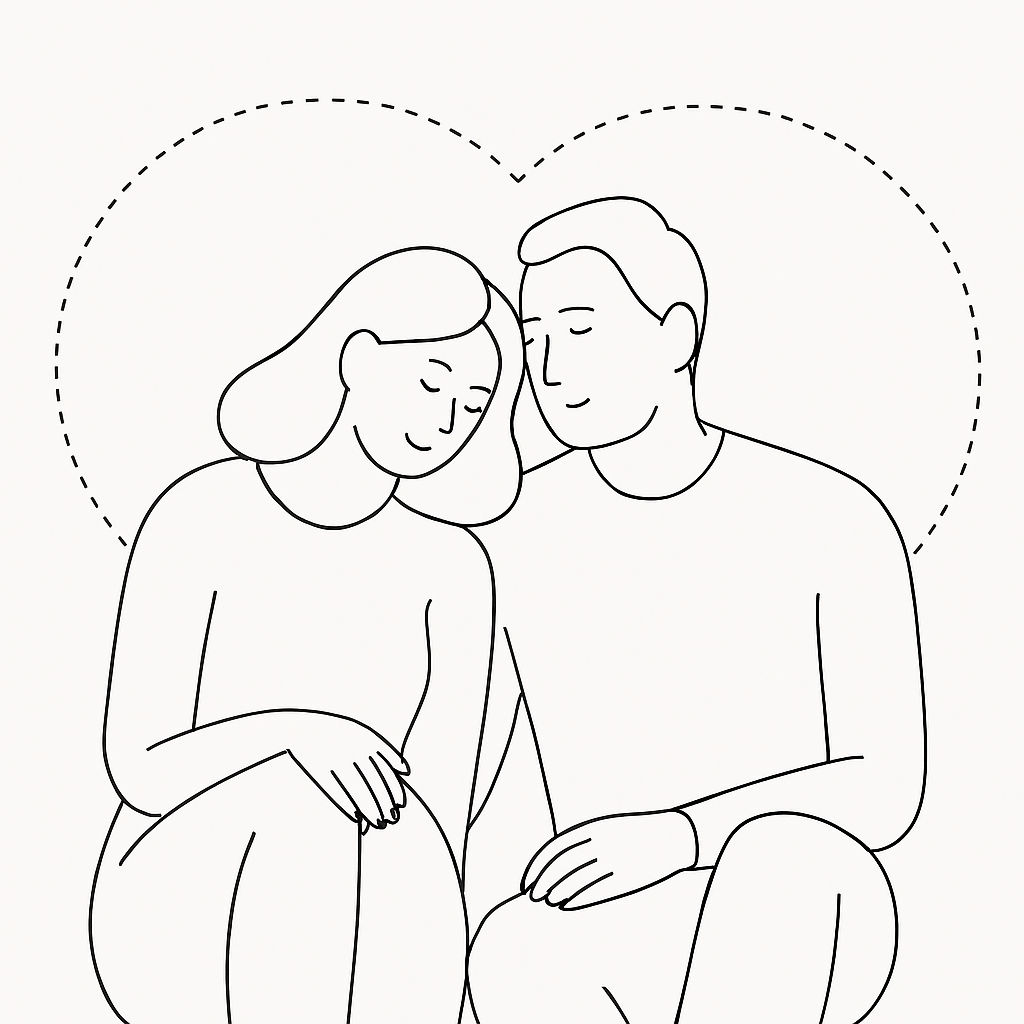
Signs of Emotional Compatibility in Couples
Introduction
Instant chemistry may bring two people together, but long-term sustainability requires much more than attraction. The real backbone of a lasting relationship is emotional compatibility. It creates deep levels of understanding, acceptance, comfort, and connection between partners.
What Is Emotional Compatibility?
Emotional compatibility is the emotional rhythm two partners share. It reflects how well they understand, respond to, and support each other. It shapes how they:
- Communicate their needs
- Manage disagreements
- Express affection
- Handle life’s challenges
- Offer emotional safety
This compatibility becomes the glue that holds the relationship together through all highs and lows.
Qualities of Emotionally Compatible Relationships
- Partners often understand each other without needing many words.
- They feel safe, respected, and free—even during disagreements.
- They don’t judge each other’s emotions, thoughts, or vulnerabilities.
Why Emotional Compatibility Matters
Emotional compatibility is the driving force behind a healthy relationship.
Trust, harmony, and emotional security are its foundation. Even if partners share goals and values, without these three elements, the relationship struggles to survive.
Key Signs of Emotional Compatibility in Couples
1. You can express yourself freely
You feel safe sharing your thoughts and emotions without fear of judgment or rejection.
2. Conflicts are handled with respect
Arguments happen, but emotionally compatible couples resolve them with understanding—not resentment.
3. Honest, clear communication comes naturally
You can talk openly about everything—finances, fears, future plans—without assumptions or defensiveness.
4. Your love languages align
Both partners understand how the other gives and receives love, reducing misunderstandings and increasing fulfillment.
5. You support each other’s growth
Encouragement, appreciation, and inspiration become natural. Jealousy has no room here.
6. You take responsibility for your actions
Your emotional awareness increases, and your language shifts from reactive to mindful.
7. Being together feels peaceful and comforting
The relationship feels like a stable, supportive space where you genuinely enjoy each other’s company.
8. You respect each other’s personal space
You understand when your partner needs alone time. Boundaries feel like respect—not rejection.
9. Shared joy becomes effortless
You laugh together, create small happy moments, and comfort each other during tough times. Your emotional and intellectual energies align naturally.
10. Silence feels as comfortable as conversation
You don’t need constant words. You understand each other’s presence, emotions, and even silence.
How to Build Emotional Compatibility
Emotional compatibility is not a pre-gifted quality—it is built over time with conscious effort.
- Be an active listener. Allow your partner to express themselves fully.
- Share your feelings, not just facts. Emotional transparency builds closeness.
- Practice empathy, even during disagreements. Try to understand their emotional viewpoint.
- Don’t let emotional distance grow. Communicate consistently and openly.
- Spend quality time together. Shared moments create emotional bonding and security.
When Emotional Compatibility Is Lacking
You may feel neglected, misunderstood, emotionally drained, or taken for granted. Common signs include:
- Constant miscommunication
- Fear of being judged
- Lack of emotional availability or acceptance
If both partners are willing, emotional compatibility can still be nurtured through honest communication, self-awareness, and professional support like therapy.
Conclusion
When two people share emotional alignment, love becomes more than attraction—it becomes true partnership.
If you and your partner can communicate openly, support each other’s growth, and build emotional safety, you’re not just in love—
you’re emotionally aligned.
And that is the kind of love that lasts, deepens, and heals.
