Tag: emotional intimacy

  • The Bond of Marriage

    The Bond Of Marriage AG.OG..SunoG...

    The Bond of Marriage

    Introduction

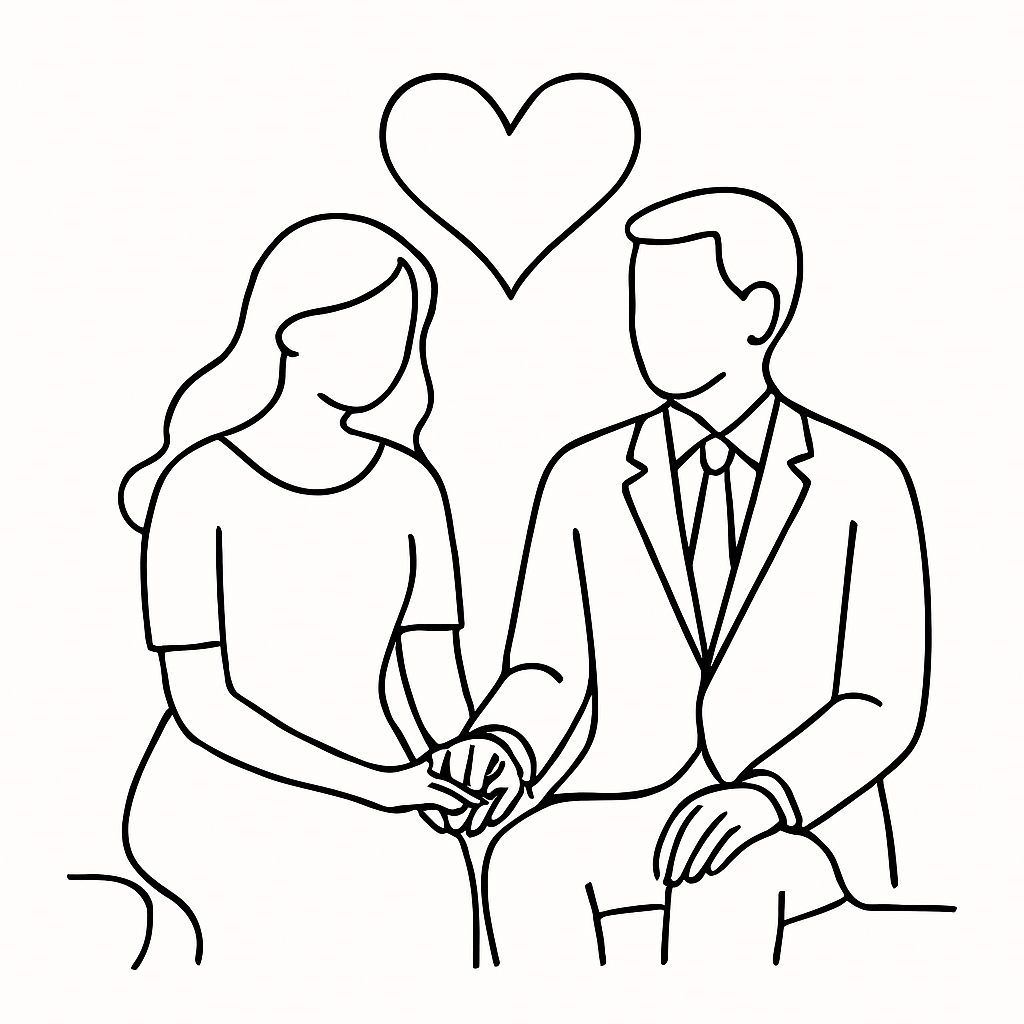
    Marriage is a bond between two individuals from different backgrounds, personalities, habits, beliefs, and emotional needs who consciously choose to come together to build a shared life. It is rooted in a deep emotional connection and goes far beyond being merely a ritual, a legal agreement, or a social contract. At its core, marriage is a journey of togetherness, growth, and mutual understanding.


    Understanding the True Meaning of Marriage

    The essence of marriage is ever-evolving. It unfolds day by day as partners share responsibilities, understand each other, compromise when needed, grow together, and support one another through both agreements and disagreements.
    Trust, respect, and emotional connection do not develop overnight. They require time, patience, effort, and conscious nurturing. A strong marriage is built not on perfection but on consistency, intention, and emotional presence.


    The Pillars and Foundations of Marriage

    1. Love

    Love between a husband and wife is compassionate and enduring. It is reflected in consistent efforts, meaningful actions, and emotional availability. Love forms the heart of the marital bond and expresses itself in many ways, such as:

    • Care during illness
    • Patience during disagreements
    • Support during emotional lows
    • Celebrating achievements and growing together
    • Guidance and forgiveness during mistakes

    2. Trust

    Trust is the invisible thread that holds a marriage together and prevents the bond from becoming fragile. It is not built in a single day but evolves gradually through shared experiences and consistency. The key elements that nurture trust include:

    • Honesty
    • Reliability
    • Transparency
    • Respect for boundaries

    What Trust Truly Means in a Marriage

    A relationship flourishes when partners:

    • Feel emotionally safe, knowing they will not be judged or have their vulnerabilities used against them
    • Believe in each other’s intentions, even during conflicts
    • Allow space for individuality without fear or insecurity

    3. Communication

    No two individuals think, feel, or process emotions in the same way. Different minds, perspectives, and emotional responses can create misunderstandings if not addressed effectively. Communication acts as the bridge that connects these differences.

    Healthy communication is not about winning arguments; it is about:

    • Listening with presence
    • Expressing oneself honestly
    • Clarifying expectations when needed
    • Addressing issues before they turn into resentment

    Open and respectful communication strengthens emotional intimacy and deepens understanding. A marital bond flourishes when both partners feel heard, valued, and understood.


    4. Emotional Intimacy

    Physical intimacy brings closeness, but emotional intimacy creates lasting connection. It keeps the bond strong through life’s uncertainties and challenges. Emotional intimacy develops when:

    • Partners feel safe being their authentic selves
    • Emotions are acknowledged and respected, not dismissed
    • Vulnerabilities are met with empathy
    • Love and support remain unconditional

    5. Growing Together

    Life is dynamic, and so is marriage. As time passes, responsibilities change, family roles evolve, and personal goals shift. A strong marital bond adapts to these changes by growing together. Such a bond:

    • Encourages personal growth
    • Allows space for individual dreams
    • Periodically redefines roles and responsibilities
    • Supports one another through transitions

    6. Disagreements and Conflicts

    Conflicts are inevitable in marriage due to differences in opinions, values, finances, family dynamics, or expectations. When handled with emotional maturity, conflicts can strengthen the bond rather than weaken it.

    Healthy conflict resolution involves:

    • Focusing on solutions rather than blame
    • Avoiding personal attacks
    • Taking responsibility for one’s actions
    • Communicating with respect

    Resolved conflicts deepen trust and mutual understanding.


    7. Respect

    Respect is often quiet yet one of the most powerful elements in a marriage. It is reflected in everyday behavior—the way partners speak, listen, acknowledge, and appreciate each other. A marriage rooted in respect fosters dignity, equality, and security.

    Simple daily practices make a big difference:

    • Valuing your partner’s opinions
    • Honoring boundaries
    • Avoiding humiliation or harsh criticism
    • Appreciating efforts, both big and small

    8. Emotional Safety

    With strong foundations and supportive pillars, marriage becomes a space of emotional safety. Partners can be themselves without fear of rejection or judgment. Emotional safety allows both individuals to:

    • Express freely
    • Admit mistakes honestly
    • Ask for help without hesitation
    • Be vulnerable without shame

    9. Shared Values and Purpose

    Shared values such as honesty, commitment, empathy, integrity, and respect guide decisions and priorities in marriage. A shared purpose transforms challenges into teamwork and turns individual efforts into collective growth. When both partners work toward common goals, life feels more meaningful and fulfilling.


    10. Nurturing the Bond

    A strong marriage requires conscious and continuous nurturing. Small, consistent efforts sustain and strengthen the bond, such as:

    • Spending quality time together
    • Expressing appreciation through words
    • Acts of kindness
    • Emotional check-ins
    • Keeping promises and commitments

    Conclusion

    The bond of marriage is a delicate balance of love, trust, communication, emotional intimacy, growth, conflict management, respect, emotional safety, shared values, and purpose. It grows stronger when partners choose understanding over ego, compassion over control, and connection over conflict. When nurtured with intention and empathy, marriage becomes a lasting source of strength, comfort, and happiness.

  • The Unspoken Words in a Relationship

    unspoken words inn a relationship AG.OG..SunoG...

    The Unspoken Words in a Relationship

    Introduction

    Be it the expression of love, normal chit chats or discussions, setting boundaries, conflict resolution, or emotional intimacy, words play a very important role in any relationship. Yet, many impactful messages are often not spoken but expressed through silence, gestures, suppressed emotions, pauses, and actions. These unspoken words are so powerful that they may either deepen the bond or create distance between two individuals.

    It has often been observed that relationships fall apart not because love ends, but because certain feelings remain unspoken. Understanding these unspoken words becomes essential for growing together, connecting emotionally, and ensuring the long-term sustainability of a relationship.


    What Are Unspoken Words?

    Unspoken words are the emotions, thoughts, needs, or expectations that one partner fails to express or intentionally avoids communicating to the other. These may include unexpressed love, suppressed anger, feelings of neglect, or emotional pain. Over time, these unspoken emotions may bring changes in behaviour and mood, or create emotional gaps through silence, emotional burnout, or withdrawal.

    Unspoken words are not always intentional. Many times, they go unnoticed and remain unacknowledged.


    Why Do People Leave Words Unspoken?

    1. Fear of Conflict
      Fear of conflict stands as one of the most important reasons people keep their words unspoken. There is a common belief that silence preserves peace. However, people often fail to realise that silence usually delays conflict rather than resolving it.
    2. Fear of Being Misunderstood
      The fear of being misunderstood creates emotional gaps between partners, leaving many feelings unspoken.
    3. Ego
      Many individuals dismiss their emotions due to upbringing or a developed ego, which makes them suppress expression.
    4. Fear of Rejection
      The fear of rejection stops a person from sharing their needs, vulnerabilities, or insecurities.
    5. Assumptions in Relationships
      Partners often assume that the other should already know what they feel or need, without expressing it clearly.

    Common Unspoken Words in Relationships

    “I Need More Attention”

    Instead of expressing this need directly, people often show it through irritation, complaints, or emotional withdrawal. The real need is not attention, but emotional presence and reassurance.

    “I Feel Unappreciated”

    Many partners silently carry this feeling while continuing to put in effort, hoping their contribution will be noticed without having to ask.

    “I’m Afraid of Losing You”

    Deep love brings insecurity. Many people remain quiet about this fear, worried that expressing it will make them emotionally dependent or give control to the other partner.

    “I’m Not Okay”

    People often say “I am fine” while struggling internally. This false expression or silence prevents emotional connection and support.

    “I Miss Who We Used to Be”

    As relationships evolve, responsibilities increase. Partners mourn the earlier, more carefree version of the relationship but often fail to express this feeling.

    “I Need Space”

    Instead of communicating the need for healthy personal space, some people withdraw abruptly, leaving the other partner confused and hurt.


    The Cost of Unspoken Words

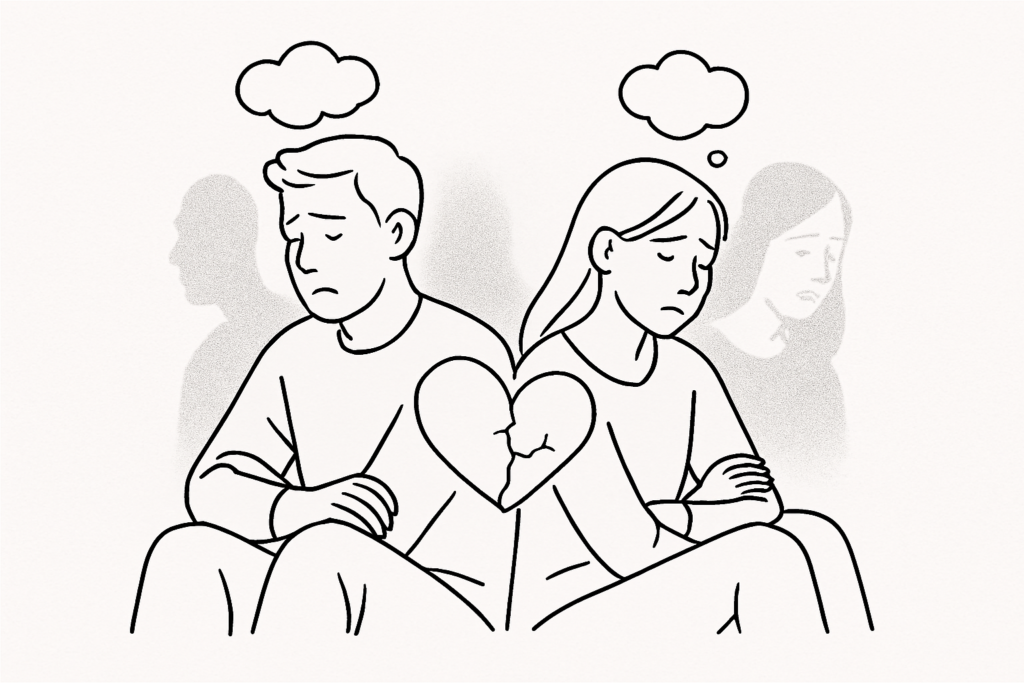
    When emotions remain unexpressed, partners slowly begin to feel disconnected. Conversations become surface-level, and emotional intimacy fades.

    Unspoken words often lead to assumptions. Partners guess each other’s feelings incorrectly, resulting in misunderstandings, frustration, and conflict.

    Suppressed emotions do not disappear; they accumulate. Over time, resentment builds, making even small issues feel overwhelming.

    When partners consistently hide their emotions, emotional trust is affected. Even in committed relationships, silence can create deep loneliness. Being physically present but emotionally unheard is one of the most painful relationship experiences.


    What Silence Speaks

    Silence is never empty. It always communicates something. Silence has the power to either create a bond or break one, depending on when and how it is used.

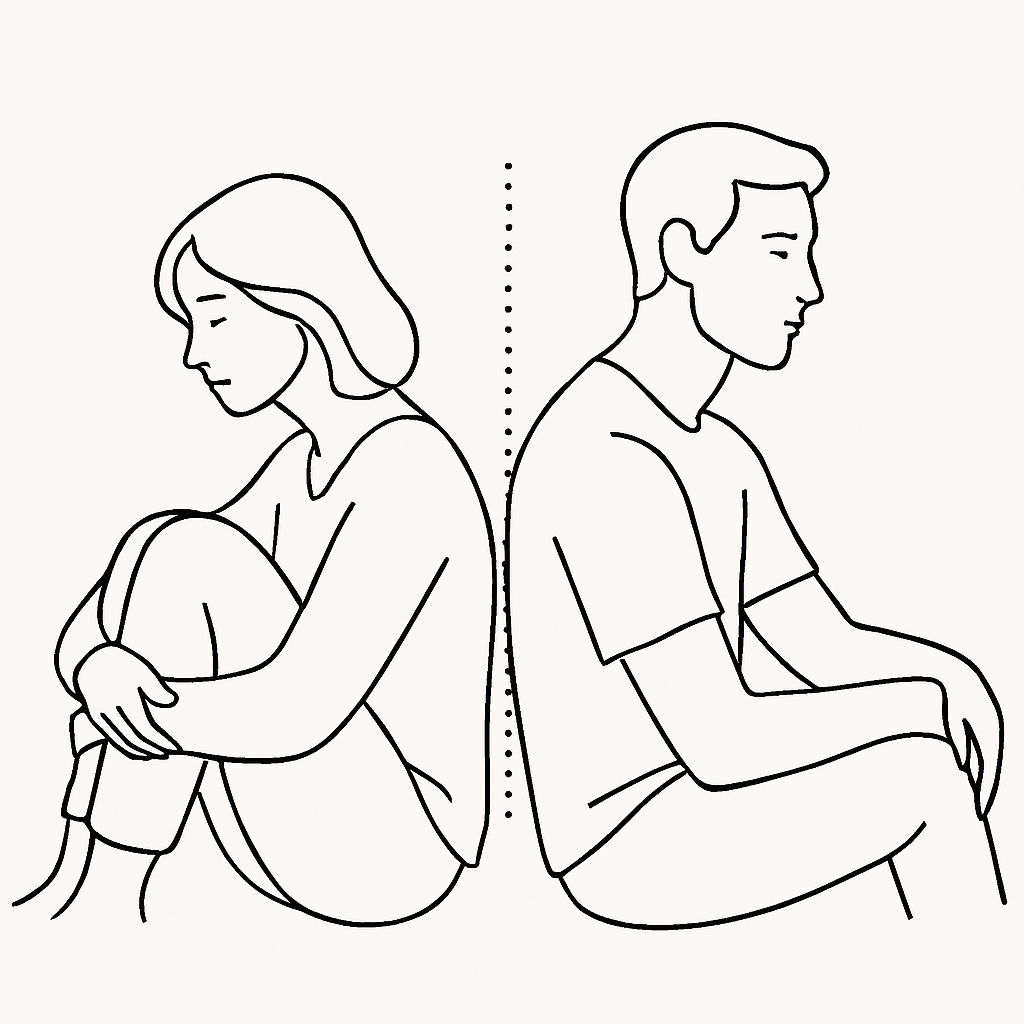
    A couple sitting quietly, relaxing in each other’s arms, sharing comfort and eye contact, reflects emotional safety. On the other hand, a long pause after an argument, lack of response to emotional sharing, or habitual avoidance of difficult conversations sends very different messages.


    Healthy Silence vs Harmful Silence

    Healthy silence is usually communicated and understood, while harmful silence is confusing and prolonged. Not all silence is negative. Silence can be reflective, calming, or necessary. The difference lies in intention and communication.

    Healthy silence allows space for emotional regulation, respects personal boundaries, and often exists where emotional safety is present.

    Harmful silence, on the other hand, creates emotional distance by suppressing truth, manipulating emotions, or avoiding important conversations. It is often rooted in emotional insecurity.


    How Unspoken Words Affect Long-Term Relationships

    Very often, relationships end not because love disappears, but because communication stops. Silence slowly shapes the emotional climate between partners, redefining how they see each other. Over time, partners grow emotionally apart, functioning more as companions than intimate partners.


    Learning to Voice the Unspoken

    1. Awareness is the first step toward change. Before expressing anything, understand your own feelings.
    2. Speak from your own perspective using “I” statements. This adds clarity and reduces blame.
    3. Emotional conversations need calm spaces, not moments of heightened conflict. Timing matters.
    4. Express honestly, but go slow. Begin with one emotion and allow it to be understood before sharing more.

    Listening to the Unspoken

    Communication involves both speaking and listening. Often, listening goes beyond words. Pay attention to tone changes, behavioural shifts, and emotional withdrawal.

    Suppressed emotions may surface intensely. Responding with patience and empathy can heal years of emotional silence.


    Unspoken Love in a Relationship

    Not all unspoken words are painful. As the saying goes, actions speak louder than words. Love often exists in actions such as:

    • Staying when things are difficult
    • Small gestures of care
    • Silent understanding
    • Emotional presence

    However, expressing love through words like “I love you,” “I appreciate you,” or “You matter to me” strengthens emotional bonds. Love without expression can slowly fade.


    Conclusion

    Silence is not the absence of communication; it is a form of communication. Silence exists in every relationship, but it must be understood and interpreted correctly for long-term emotional connection.

    Healthy relationships are those where partners feel safe to express themselves. Emotional intimacy grows when silence is met with curiosity, compassion, and courage.

    Speaking the unspoken does not weaken a relationship; it deepens it. It allows individuals to be seen, heard, and loved for who they truly are—not just for what they show.

    In the end, relationships thrive not on perfection, but on honest connection. And sometimes, the bravest words are the ones we have been silent about for far too long.

  • Understanding Your Partner’s Love Language

    love language AG.OG..SunoG...

    Understanding Your Partner’s Love Language

    Introduction

    Love and trust are the two key ingredients of any relationship. The love language of both partners may be different, which may lead to confusion and emotional disturbances. So, it wouldn’t be wrong to say that understanding the love language of your partner is essential to connect mentally and emotionally. It improves communication, nurtures understanding, and builds a long-lasting, healthy bond between the two.


    What Do We Mean by Love Language?

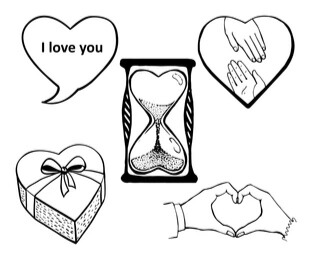
    Love languages are simply the ways people express, feel, and reciprocate their love with their partners. According to Dr. Gary Chapman, there are five primary types of love languages:

    1. Quality Time and Devotion:
      Here, couples enjoy spending time together and sharing moments with undivided attention.

    2. Words of Affirmation:
      Couples express and reciprocate love primarily through praise, appreciation, and encouragement.

    3. Acts of Service:
      Partners support and help each other in professional or personal activities.

    4. Exchange of Gifts:
      Love and care are expressed through the act of giving and receiving thoughtful gifts.

    5. Physical Contact:
      Love and care are communicated through gestures like holding hands, hugs, touch, and physical closeness.

    Usually, a person has one or two dominant love languages. Understanding and reciprocating them nourishes the emotional bond and leads to a healthier, stronger, and more fulfilling relationship.


    Why Knowing Your Partner’s Love Language Matters

    When love languages differ and don’t align, communication breaks down, and partners may feel unappreciated or unloved — even when love exists. That’s why understanding how your partner gives, perceives, and reciprocates love is crucial.
    Recognizing love languages creates emotional safety, builds trust, and prevents conflicts or misunderstandings.


    Quality Time and Devotion

    For those who value quality time, undivided attention is the key to their heart. They feel loved through shared activities like deep conversations, long walks, cooking together, or simply being present. Eye contact, active listening, and shared experiences mean everything to them.
    They dislike distractions like phone calls, multitasking, or last-minute cancellations.


    Words of Affirmation

    For people whose love language is words of affirmation, verbal communication matters most. Compliments, appreciation, and kind words make them feel seen and valued.
    They treasure handwritten notes or thoughtful messages and express gratitude often. They prefer uplifting words and dislike criticism or sarcasm.


    Acts of Service

    For those who express love through acts of service, actions speak louder than words. Helping each other with daily tasks or responsibilities makes them feel loved and respected.
    They notice small efforts that make life easier and take promises seriously. Sharing responsibilities is their way of showing love.


    Exchange of Gifts

    For people who express love through gift-giving, it’s not about material value — it’s about thoughtfulness.
    A meaningful gift — a flower, a handwritten note, or a personalized token — shows love and care. They often remember special dates and express affection through thoughtful presents.


    Physical Contact

    For those who value physical touch, gestures like hugs, holding hands, or a gentle pat bring comfort and reassurance.
    Such closeness creates warmth and emotional security. Long periods of distance or withdrawal can make them feel unloved or disconnected.


    How to Discover Your Partner’s Love Language

    1. Observe Closely:
      People naturally express love the way they wish to receive it.

    2. Listen to Complaints:
      Complaints often reveal unmet emotional needs — and, therefore, love languages.

    3. Notice Requests:
      What a person asks for frequently reflects their love language.

    4. Take a Love Language Quiz Together:
      It’s a fun and insightful way to open communication and deepen understanding.


    Speak Each Other’s Love Language Daily

    Understanding and reciprocating your partner’s love language is a powerful tool to grow and strengthen your bond.
    It may require conscious effort, but as the saying goes — “Actions speak louder than words.” Once you start communicating in your partner’s love language, your relationship will be filled with greater love, care, and trust.


    The Power of Mutual Understanding

    With continuous effort and empathy, small gestures become meaningful, communication improves, and conflicts decrease.
    This builds an emotionally intelligent and deeply fulfilling relationship rooted in love, care, and trust.


    Conclusion

    Every person feels, expresses, and reciprocates love differently. Understanding these differences can transform your relationship — filling it with love, passion, care, and trust.
    Love is not just about grand gestures but about everyday moments of care and connection that deepen emotional roots.
    When expressed in the right language, love becomes more than a feeling — it becomes a shared experience of understanding and growth.