Tag: emotional intelligence

  • Building Emotional Intelligence. A Guide For Men

    Building Emotional Intelligence. A Guide For Men

    Emotional Intelligence

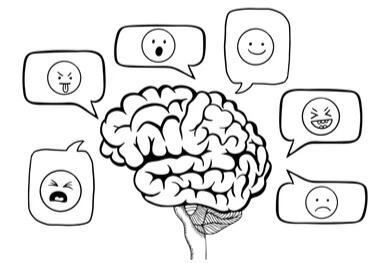
    Emotional Intelligence (EI) is the ability of a person to understand, manage, express, and influence the emotions of others. EI plays a key role in both personal and professional success.

    Developing emotional intelligence can be highly transformative for men. Society expects men to suppress emotions and appear strong. Emotional intelligence helps men handle stress better and become more confident as individuals, leaders, and partners.


    Key Components of Emotional Intelligence

    1. Self-Awareness – Accepting, recognizing, understanding, and reacting appropriately to emotions.
    2. Self-Regulation – Adapting to change calmly, staying in control, and managing impulsive reactions.
    3. Motivation – Staying motivated against all odds through both external and internal factors.
    4. Empathy – Understanding the situations, feelings, and perspectives of people around you, and reacting accordingly.
    5. Socialize – Building and maintaining healthy relationships through effective communication and managing conflicts, if any.

    These key components form the foundation of emotional maturity, which is essential for men in their personal and professional growth and stronger relationships.


    Why Emotional Intelligence Matters for Men

    Men are often raised with the idea that emotions are a sign of weakness, which creates a wall that prevents them from expressing themselves openly. The constant suppression and inner accumulation of emotions lead to:

    1. Bottled-up anger or frustration
    2. Strained relationships
    3. Increased stress or anxiety
    4. Difficulty in understanding others’ emotions
    5. Poor communication at work or home

    Emotional intelligence breaks this cycle and allows men to express themselves as they handle challenges and strengthen personal and professional connections.


    How Men Benefit from Emotional Intelligence

    1. Men become aware of their stress factors and triggers, allowing them to manage themselves well, prevent depression or emotional overload, and improve mental health.
    2. You start understanding and validating the thoughts and feelings of your partner, creating deeper emotional intimacy and trust while avoiding miscommunication. This reduces conflicts and helps build stronger relationships.
    3. Emotionally intelligent men can stay calm under pressure, empathize with colleagues, and manage conflicts and situations effectively, making them natural and effective leaders.
    4. Emotionally intelligent men understand situations first and then respond with clarity and confidence.
    5. Emotionally intelligent men tend to make better and wiser decisions as they remain calm, understand the situation, avoid impulsive actions, and think clearly even in stressful conditions — both personally and professionally.

    How to Develop Emotional Intelligence

    Learning is a lifelong process, and you must start today. To develop the skills of emotional intelligence, you must ask yourself and practice certain steps:

    1. Pay attention to your emotions and ask yourself questions like what, why, and how. You may write down or journal your thoughts. This act of self-awareness helps identify recurring patterns and triggers.
    2. Regulate your thoughts and emotions to manage them effectively and constructively. You may try to pause, take deep breaths, or engage in activities like walking, running, yoga, listening to calming music, or meditating before reacting. This way, you can stay in control of your actions.
    3. Practice empathy. Try to understand another person’s feelings. This can be done through active listening without judging or interrupting and asking open-ended questions if required. It’s a powerful skill that improves communication and relationships by creating deeper and more effective connections.
    4. Communicate clearly and effectively with confidence. Maintain good and confident body language, and ensure clarity in your words to prevent misunderstandings and strengthen mutual respect.
    5. Show courage and embrace vulnerability. Courage is not in suppressing your thoughts or emotions — it lies in presenting yourself with confidence and clarity. Men often suppress emotions for fear of being judged or labeled as weak.
    6. Have faith in yourself. Believe in your words and actions, and think positively. Constant or chronic stress can cloud your emotional judgment. Add activities like regular exercise, socializing, or journaling to keep your mind calm.
    7. Seek feedback. A person always sees his actions as true and correct, rarely finding discrepancies. So, ask your near and dear ones how they see you as a third person:
      a. How do you come across when you are criticized?
      b. Do you really listen when you are in a bad mood or being criticized?

    Challenges or Barriers to Emotional Growth

    1. Society often labels you as weak.
    2. People around you often start judging you.
    3. Men are usually not told or taught how to identify or process emotions.

    Resolving and overcoming these issues requires patience, compassion, and a willingness to learn afresh as you unlearn old beliefs. Emotional growth is about being genuine and self-aware, not about being perfect.


    Conclusion

    Courage and strength do not lie in the suppression of emotions, but in how effectively you manage, express, and present yourself. Building emotional intelligence allows men to lead with empathy, live with balance, and connect with others on a deeper, more human level.

  • Why Emotional Maturity Matters More Than Relationship Status

    Why Emotional Maturity Matters More Than Relationship Status

    Why Emotional Maturity Matters More Than Relationship Status

    Introduction

    Emotional maturity is defined by one’s ability to handle emotions, manage conflicts, and take responsibility for their words and actions. It plays a crucial role in sustaining a relationship during times of misunderstanding, challenges, or faded excitement. In fact, emotional maturity shapes the quality of your love far more than any relationship label. Many couples who have been together for years still struggle with trust, communication, or empathy — while some new partners display deep understanding and respect that feel far more stable.


    What Is Emotional Maturity?

    Emotional maturity is the ability to understand, manage, and express emotions in a balanced and healthy way. Emotionally mature individuals respond thoughtfully rather than reacting impulsively. They communicate with honesty and respect — without being hurtful or manipulative.

    Qualities of an Emotionally Mature Person:

    1. They take responsibility for their words and actions.
    2. They are active and empathetic listeners.
    3. They know how and when to apologize and forgive.
    4. They communicate honestly and confidently without manipulation or blame.
    5. They handle conflicts with patience and logic.
    6. They value personal growth and self-awareness.
    7. They maintain independence while nurturing togetherness.

    Emotional maturity is a skill developed intentionally through self-reflection and empathy — and it has nothing to do with age.


    Why Relationship Status Doesn’t Guarantee Emotional Stability

    Emotional maturity reflects how effectively you relate to others. It’s a personal skill that can exist in both committed and single individuals. Relationship status alone doesn’t determine emotional stability. For example:

    1. Married couples may still struggle with fights, jealousy, or manipulation — showing commitment without emotional maturity.
    2. A single person who values boundaries and self-respect can be emotionally mature.
    3. Some partners in relationships constantly seek attention and validation — a sign of emotional dependence rather than a healthy bond.

    In short, being “in a relationship” is very different from being emotionally mature.


    How Emotional Maturity Transforms Relationships

    When both partners are emotionally mature, the relationship feels safe, grounded, and fulfilling because:

    1. They don’t avoid difficult conversations — they listen to understand and act thoughtfully, minimizing misunderstandings.
    2. Emotional maturity replaces fear with trust, allowing both partners to feel free and secure.
    3. It creates an emotionally safe space where both can express their fears, needs, and vulnerabilities without judgment — enabling authentic growth in personal and professional life.
    4. Emotionally mature couples face challenges together rather than blaming or avoiding each other. They seek support when needed to keep their bond strong.
    5. They respect boundaries, communicate calmly during conflicts, and work toward solutions instead of escalating tension.

    How to Develop Emotional Maturity

    Developing emotional maturity is a lifelong journey that grows through self-awareness and conscious practice — regardless of relationship status.

    1. Be aware of your triggers. Awareness is the first step toward positive change.
    2. Express emotions clearly. Communicate your feelings with honesty and clarity.
    3. Practice empathy and kindness. These reduce ego-driven reactions and build understanding.
    4. Stay calm through mindfulness. Meditation and self-reflection help manage emotions.
    5. Set and respect boundaries. Healthy boundaries strengthen relationships and self-respect.
    6. Learn from mistakes. Focus on growth, not perfection — progress matters more than flawlessness.

    Why Emotional Maturity Should Be a Priority Over Relationship Status

    Becoming a better human being begins with respecting yourself and others. Love and respect are mutual — you reap what you sow. True connection grows from emotional awareness, self-respect, and personal development, not from a relationship status or social validation.

    Focusing on yourself before focusing on a label is not selfish — it’s wise. Emotionally mature people bring stability even in challenging times, while emotional immaturity can create chaos even in good times. Your relationship status may impress society, but emotional maturity brings lasting peace, happiness, and self-contentment.


    Conclusion

    It’s emotional maturity that turns love into partnership and passion into purpose. Stay calm, self-aware, and clear in communication — and you’ll find true stability and happiness. Relationship status may change with time, but emotional maturity ensures that you remain loved, respected, and valued — both as an individual and as a partner.