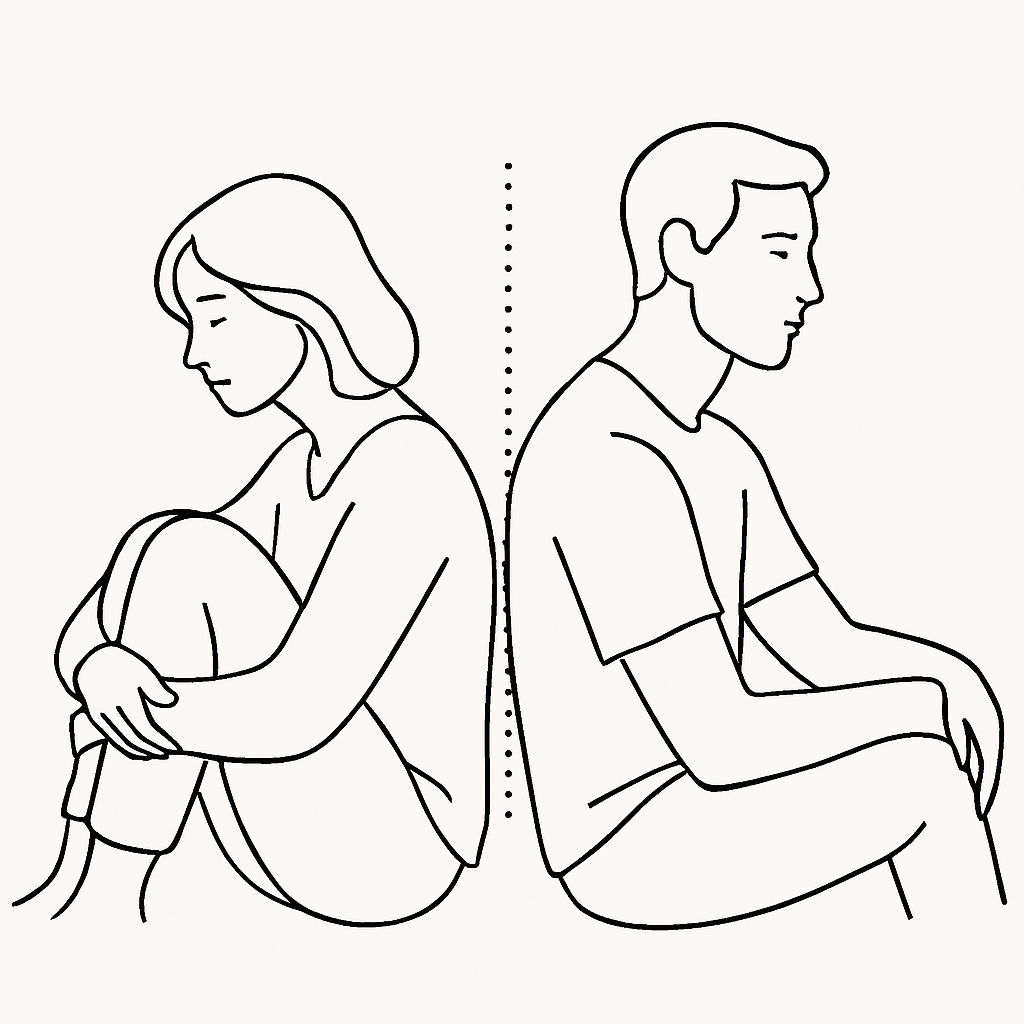
The Unspoken Words in a Relationship
Introduction
Be it the expression of love, normal chit chats or discussions, setting boundaries, conflict resolution, or emotional intimacy, words play a very important role in any relationship. Yet, many impactful messages are often not spoken but expressed through silence, gestures, suppressed emotions, pauses, and actions. These unspoken words are so powerful that they may either deepen the bond or create distance between two individuals.
It has often been observed that relationships fall apart not because love ends, but because certain feelings remain unspoken. Understanding these unspoken words becomes essential for growing together, connecting emotionally, and ensuring the long-term sustainability of a relationship.
What Are Unspoken Words?
Unspoken words are the emotions, thoughts, needs, or expectations that one partner fails to express or intentionally avoids communicating to the other. These may include unexpressed love, suppressed anger, feelings of neglect, or emotional pain. Over time, these unspoken emotions may bring changes in behaviour and mood, or create emotional gaps through silence, emotional burnout, or withdrawal.
Unspoken words are not always intentional. Many times, they go unnoticed and remain unacknowledged.
Why Do People Leave Words Unspoken?
- Fear of Conflict
Fear of conflict stands as one of the most important reasons people keep their words unspoken. There is a common belief that silence preserves peace. However, people often fail to realise that silence usually delays conflict rather than resolving it. - Fear of Being Misunderstood
The fear of being misunderstood creates emotional gaps between partners, leaving many feelings unspoken. - Ego
Many individuals dismiss their emotions due to upbringing or a developed ego, which makes them suppress expression. - Fear of Rejection
The fear of rejection stops a person from sharing their needs, vulnerabilities, or insecurities. - Assumptions in Relationships
Partners often assume that the other should already know what they feel or need, without expressing it clearly.
Common Unspoken Words in Relationships
“I Need More Attention”
Instead of expressing this need directly, people often show it through irritation, complaints, or emotional withdrawal. The real need is not attention, but emotional presence and reassurance.
“I Feel Unappreciated”
Many partners silently carry this feeling while continuing to put in effort, hoping their contribution will be noticed without having to ask.
“I’m Afraid of Losing You”
Deep love brings insecurity. Many people remain quiet about this fear, worried that expressing it will make them emotionally dependent or give control to the other partner.
“I’m Not Okay”
People often say “I am fine” while struggling internally. This false expression or silence prevents emotional connection and support.
“I Miss Who We Used to Be”
As relationships evolve, responsibilities increase. Partners mourn the earlier, more carefree version of the relationship but often fail to express this feeling.
“I Need Space”
Instead of communicating the need for healthy personal space, some people withdraw abruptly, leaving the other partner confused and hurt.
The Cost of Unspoken Words
When emotions remain unexpressed, partners slowly begin to feel disconnected. Conversations become surface-level, and emotional intimacy fades.
Unspoken words often lead to assumptions. Partners guess each other’s feelings incorrectly, resulting in misunderstandings, frustration, and conflict.
Suppressed emotions do not disappear; they accumulate. Over time, resentment builds, making even small issues feel overwhelming.
When partners consistently hide their emotions, emotional trust is affected. Even in committed relationships, silence can create deep loneliness. Being physically present but emotionally unheard is one of the most painful relationship experiences.
What Silence Speaks
Silence is never empty. It always communicates something. Silence has the power to either create a bond or break one, depending on when and how it is used.
A couple sitting quietly, relaxing in each other’s arms, sharing comfort and eye contact, reflects emotional safety. On the other hand, a long pause after an argument, lack of response to emotional sharing, or habitual avoidance of difficult conversations sends very different messages.
Healthy Silence vs Harmful Silence
Healthy silence is usually communicated and understood, while harmful silence is confusing and prolonged. Not all silence is negative. Silence can be reflective, calming, or necessary. The difference lies in intention and communication.
Healthy silence allows space for emotional regulation, respects personal boundaries, and often exists where emotional safety is present.
Harmful silence, on the other hand, creates emotional distance by suppressing truth, manipulating emotions, or avoiding important conversations. It is often rooted in emotional insecurity.
How Unspoken Words Affect Long-Term Relationships
Very often, relationships end not because love disappears, but because communication stops. Silence slowly shapes the emotional climate between partners, redefining how they see each other. Over time, partners grow emotionally apart, functioning more as companions than intimate partners.
Learning to Voice the Unspoken
- Awareness is the first step toward change. Before expressing anything, understand your own feelings.
- Speak from your own perspective using “I” statements. This adds clarity and reduces blame.
- Emotional conversations need calm spaces, not moments of heightened conflict. Timing matters.
- Express honestly, but go slow. Begin with one emotion and allow it to be understood before sharing more.
Listening to the Unspoken
Communication involves both speaking and listening. Often, listening goes beyond words. Pay attention to tone changes, behavioural shifts, and emotional withdrawal.
Suppressed emotions may surface intensely. Responding with patience and empathy can heal years of emotional silence.
Unspoken Love in a Relationship
Not all unspoken words are painful. As the saying goes, actions speak louder than words. Love often exists in actions such as:
- Staying when things are difficult
- Small gestures of care
- Silent understanding
- Emotional presence
However, expressing love through words like “I love you,” “I appreciate you,” or “You matter to me” strengthens emotional bonds. Love without expression can slowly fade.
Conclusion
Silence is not the absence of communication; it is a form of communication. Silence exists in every relationship, but it must be understood and interpreted correctly for long-term emotional connection.
Healthy relationships are those where partners feel safe to express themselves. Emotional intimacy grows when silence is met with curiosity, compassion, and courage.
Speaking the unspoken does not weaken a relationship; it deepens it. It allows individuals to be seen, heard, and loved for who they truly are—not just for what they show.
In the end, relationships thrive not on perfection, but on honest connection. And sometimes, the bravest words are the ones we have been silent about for far too long.