Tag: dating tips

  • Setting Healthy Boundaries While Dating Seriously

    Healthy Boundaries AG.OG..SunoG...

    Setting Healthy Boundaries While Dating Seriously

    Introduction

    As a relationship becomes deeper, so do the emotions, expectations, insecurities, and anxieties. This is natural—every evolving relationship goes through this phase. But without clarity and balance, these emotions can easily turn into dependency, misunderstandings, or emotional exhaustion.

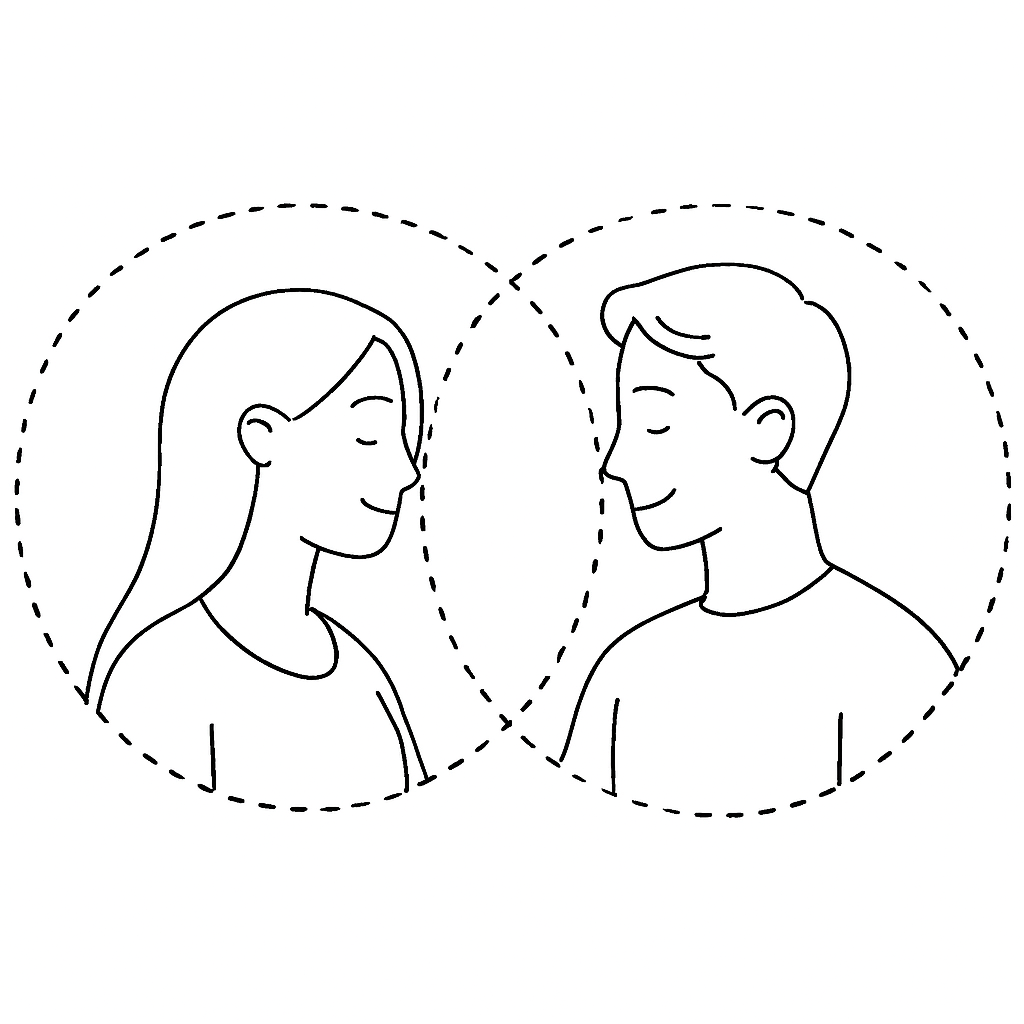
    Healthy boundaries act like an invisible framework that protects respect, trust, and emotional safety. They allow partners to love freely without losing their individuality.


    What Do Healthy Boundaries in a Relationship Mean?

    Boundaries are limits—emotional, physical, mental, and even social—that define comfort zones between two individuals. In a relationship, boundaries protect self-respect, maintain individuality, and encourage honest communication. They prevent over-possessiveness and help maintain the right balance between “I,” “me,” and “us.”


    Why Boundaries Matter

    1. They define what’s acceptable and unacceptable, ensuring both partners feel valued and respected.
    2. They prevent emotional burnout by protecting inner peace and stopping the cycle of over-giving.
    3. They strengthen the bond, as mutual respect and self-control build trust.
    4. They preserve individuality, allowing space for personal goals, friendships, and growth.

    Types of Boundaries in a Serious Relationship

    1. Emotional Boundaries

    These ensure both partners can express themselves without fear of judgment. They prevent manipulation and unhealthy emotional dependency.

    2. Physical Boundaries

    They involve consent, comfort, personal space, and physical intimacy at a mutually comfortable pace.

    3. Digital Boundaries

    These protect privacy—no checking phones without permission, no controlling online behavior, and mindful social media sharing.

    4. Time Boundaries

    They balance personal time, work, social commitments, and couple time, preventing dependency or suffocation.

    5. Financial Boundaries

    Open and honest conversations about money avoid misunderstandings. They define spending habits, shared expenses, and transparency.

    6. Sexual Boundaries

    Intimacy should feel safe and respectful. Partners must honor each other’s pace, comfort, fantasies, dislikes, and readiness.


    How to Set Healthy Boundaries While Dating Seriously

    1. Start with Self-Clarity

    Ask yourself:

    • What makes me feel safe?
    • What makes me feel respected?
    • What drains me emotionally or physically?
    • What are my priorities in a relationship?
    • What are my non-negotiables?
    • What do I consider personal?

    The clearer you are about yourself, the healthier your boundaries will be.

    2. Communicate Clearly and Calmly

    State your boundaries with confidence—without hints or hesitations. Clear words reflect self-respect and help your partner understand your needs better.

    3. Respect Your Partner’s Boundaries Too

    Healthy boundaries go both ways. Be open, listen actively, and handle differences with maturity.

    4. Revisit and Adjust When Needed

    As relationships evolve, priorities change. Revisit your boundaries from time to time and adjust them as needed.

    5. Resolve Boundary Clashes with Openness

    If boundaries conflict, discuss them without ego. Find a middle ground—if it doesn’t compromise safety or self-respect.

    6. Stand Firm on Non-Negotiables

    Peace, safety, and self-respect are not up for compromise. If a partner repeatedly ignores boundaries, it signals deeper incompatibility.

    7. Use “I” Statements

    Words matter. Instead of blaming, express how you feel:

    • Not: “You always make me feel suffocated.”
    • Try: “I feel overwhelmed when I don’t get personal space.”

    “I-statements” turn conflict into constructive dialogue.


    When Boundaries Are Crossed

    Humans are imperfect—we all slip at times. Crossing boundaries can happen intentionally, accidentally, or under social pressure.

    If you feel your boundary was crossed:

    • Address it calmly and immediately.
    • If it was a misunderstanding, a respectful partner will listen and adjust.
    • If it happened due to external pressure, take it seriously and discuss the pattern.
    • Do not allow resentment to build.

    Repeated violations, disregard, or a pattern of pushing limits is a relationship red flag.


    The Balance Between Intimacy and Independence

    Healthy boundaries don’t create distance—they enhance closeness. They help partners retain individuality while staying connected.
    A strong relationship is not about dependency; it’s about two whole people choosing each other every day.


    Conclusion

    Setting healthy boundaries while dating seriously is an act of self-love and mutual respect. Boundaries don’t restrict your partner; they protect your emotional space. The best relationships are those where you remain you, while sharing life with someone who values and respects your individuality.

  • Handling Insecurities in an Unmarried Relationship

    Handling Insecurities in an Unmarried Relationship

    Handling Insecurities in an Unmarried Relationship

    Introduction

    Whether single or in a relationship, married or unmarried, everyone experiences doubts and insecurities — it’s a natural part of being human. However, these feelings often intensify in unmarried relationships, where the absence of formal commitment or societal acceptance can make the bond feel uncertain.
    If left unchecked, insecurities can slowly erode the joy and connection between partners. Understanding and managing them early helps maintain love, peace, and emotional balance.


    Understanding Insecurities in Relationships

    The presence of insecurity often reflects care and fear — fear of losing someone or being unworthy of love. While it’s normal, managing it consciously is essential for a healthy relationship.

    Some common causes of insecurity include:

    1. Lack of long-term clarity, leading to questions like:
      • Will we ever get married?
      • What’s next for us?
      • Will our families accept this relationship?
      • Am I just a temporary phase in their life?
    2. Past trauma or betrayal from earlier relationships.
    3. Fear of abandonment or being replaced.
    4. Fear of rejection from family or loved ones.
    5. Social comparison and unrealistic expectations, often amplified by social media.

    Effects of Insecurities on an Unmarried Relationship

    Unchecked insecurities can cloud love with doubt and drain emotional energy. They may show up as:

    1. Constant need for validation — frequently seeking reassurance with phrases like “Do you love me?” or “Do you miss me?” can emotionally burden the partner.
    2. Anxiety and overthinking when calls or messages aren’t replied to immediately.
    3. Misinterpretation of words or gestures, leading to unnecessary assumptions such as “They’re losing interest.”
    4. Jealousy and comparison, especially if past relationships are known, leading to possessiveness or controlling behavior.
    5. Emotional withdrawal due to fear of rejection, causing confusion and emotional distance.
    6. Repeated conflicts and emotional fatigue arising from misunderstandings and lack of trust.

    How to Manage These Insecurities

    Recognizing that insecurities exist is the first and most powerful step toward overcoming them. Healing requires awareness, communication, and consistent effort from both partners.

    1. Acknowledge your insecurity – Identify what triggers it. Awareness brings control.
    2. Communicate openly and calmly – Invite your partner for honest, judgment-free conversations to build trust and understanding.
    3. Work on your self-esteem – The need for constant validation often signals low self-worth. Practice self-care, self-love, and mindfulness.
    4. Avoid comparisons – Every person and relationship is unique. Comparing your bond with others only breeds dissatisfaction.
    5. Be transparent and consistent – Keep promises, express appreciation, and nurture emotional security through small, thoughtful acts.
    6. Stay present – Worrying about “what’s next” can fuel anxiety. Focus on building a strong present that naturally shapes a secure future.
    7. Heal from the past – Unresolved wounds can reappear as fear or mistrust. Journaling, therapy, or coaching can help you process and move forward.
    8. Set healthy boundaries – If certain triggers (like social media behavior or lack of time together) cause discomfort, discuss and agree on boundaries that protect both partners’ emotional health.
    9. Practice gratitude and positivity – Shifting focus from fear to appreciation brings emotional warmth and peace.
    10. Seek professional help when needed – If insecurity starts affecting your mental health, consulting a relationship counselor or therapist can help you uncover root causes and heal effectively.

    Role of Partners in Overcoming Insecurity

    An understanding and empathetic partner plays a vital role in creating emotional safety. Here’s how they can support:

    1. Gentle reassurance without overdoing it.
    2. Transparency in communication and actions.
    3. Active listening and empathy during discussions.
    4. Mutual respect in words and boundaries.
    5. Consistent appreciation to reinforce emotional trust.

    A healthy relationship is a shared effort — both partners must contribute with love, patience, and respect.


    When Insecurities Become Red Flags

    While mild insecurities are normal, extreme behaviors like possessiveness, emotional manipulation, constant accusations, or privacy invasion indicate deeper issues.
    If these patterns continue, it’s important to set firm boundaries or re-evaluate the relationship, as no one can thrive under fear or emotional control.


    Conclusion

    Insecurities are a natural part of human emotions, especially in relationships without societal or legal validation. What matters most is how we respond to them.
    By recognizing insecurities early, communicating openly, and nurturing self-worth, couples can transform fear into understanding and create a stronger, more resilient bond built on love and trust.