
Tag: communication in relationships

  • Grow together in a relationship

    Growing together AG.OG..SunoG...

    Learning to Grow Together — Not Apart
    Introduction
    Growth is inevitable—we all know this. We dream, we work, and we strive to grow. But the catch is that in a relationship, growth must happen together. A budding relationship begins with excitement, closeness, and emotional warmth. But as time passes, people change. Partners may begin to drift apart—not because the spark dies, but because priorities shift, and individual growth starts overshadowing mutual growth.

    Personal growth is important for satisfaction and happiness, but long-term harmony and emotional closeness can only be achieved when growth happens at both individual and mutual levels.


    Why Couples Grow Apart

    It’s not magic or a sudden shift—it happens gradually. The disconnect begins quietly. Some common reasons include:

    1. Lack of Communication

    Partners may face emotional distance when they stop understanding each other’s evolving needs and priorities. When communication becomes mechanical or is taken for granted, the emotional bond weakens.

    2. Ignoring Individual Growth

    When one partner keeps investing in their growth while the other becomes passive, it creates imbalance. Differences in growth mindsets widen the emotional gap over time.

    3. Different Life Goals

    Ambition is healthy, but goals need mutual alignment. When goals are not revisited or realigned with time, partners may start walking on different paths, pulling away from each other.

    4. Emotional Neglect

    Emotional voids build up silently. Feelings of neglect turn into resentment, creating invisible walls that damage the relationship.

    5. Taking Each Other for Granted

    When appreciation fades, partners stop feeling valued. The relationship begins to feel like coexisting roommates instead of a team celebrating each other’s progress.


    What Do We Mean by “Growing Together”?

    Growing together means transforming me and you into us, without losing individuality. It means setting goals that complement each other and supporting each other’s journey. It is celebrating each other’s success rather than feeling threatened by it.


    How to Grow Together Instead of Apart

    1. Have Deep and Honest Conversations

    These conversations keep emotional intimacy alive and reduce misunderstandings.

    2. Celebrate Each Other’s Growth

    Encourage each other’s dreams. Healthy relationships have no room for jealousy—each partner grows as the other evolves.

    3. Set Shared Goals

    Along with personal goals, shared goals give purpose and direction to the relationship.

    4. Reconnect Regularly (Emotional Check-Ins)

    Simple conversations, shared time, and emotional check-ins help partners feel valued and reduce unintentional neglect.

    5. Learn and Experience New Things Together

    Shared experiences build memories, deepen bonding, and create a sense of teamwork.

    6. Handle Conflicts Maturely

    Disagreements are natural. Handling them with patience enhances mutual respect and trust.

    7. Be Flexible and Embrace Change

    As life evolves, priorities change. Revisiting and adjusting priorities strengthens emotional connection.

    8. Respect Individuality and Personal Space

    Personal space allows emotional reset, creativity, and deeper maturity in the relationship.

    9. Prioritize Quality Time

    In busy lives, intentional quality time strengthens emotional intimacy and reconnects partners with their shared journey.

    10. Appreciate and Express Gratitude

    Small acts of appreciation make partners feel seen, valued, and accepted with all imperfections.


    The Benefits of Growing Together

    Growth is a lifelong journey. When partners grow together, they build a strong emotional foundation that enhances resilience. Knowing “we are a team” strengthens love, respect, maturity, and long-term stability.


    When You Feel You’re Growing Apart

    If you feel distance or emotional disconnect, communicate openly. Understanding the cause helps both partners realign, reconnect, and rebuild.


    Conclusion

    Change is natural. Learn to grow with each other rather than away from each other. Shared purpose, communication, and emotional involvement create a vibrant relationship. Growing together means learning, adjusting, forgiving, celebrating, and staying emotionally connected—even as life changes.

    Remember:
    True love isn’t just about finding someone to live with—it’s about finding someone to grow with.
  • Understanding Your Partner’s Love Language

    love language AG.OG..SunoG...

    Understanding Your Partner’s Love Language

    Introduction

    Love and trust are the two key ingredients of any relationship. The love language of both partners may be different, which may lead to confusion and emotional disturbances. So, it wouldn’t be wrong to say that understanding the love language of your partner is essential to connect mentally and emotionally. It improves communication, nurtures understanding, and builds a long-lasting, healthy bond between the two.


    What Do We Mean by Love Language?

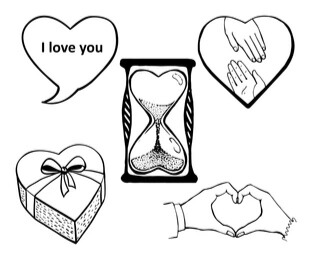
    Love languages are simply the ways people express, feel, and reciprocate their love with their partners. According to Dr. Gary Chapman, there are five primary types of love languages:

    1. Quality Time and Devotion:
      Here, couples enjoy spending time together and sharing moments with undivided attention.

    2. Words of Affirmation:
      Couples express and reciprocate love primarily through praise, appreciation, and encouragement.

    3. Acts of Service:
      Partners support and help each other in professional or personal activities.

    4. Exchange of Gifts:
      Love and care are expressed through the act of giving and receiving thoughtful gifts.

    5. Physical Contact:
      Love and care are communicated through gestures like holding hands, hugs, touch, and physical closeness.

    Usually, a person has one or two dominant love languages. Understanding and reciprocating them nourishes the emotional bond and leads to a healthier, stronger, and more fulfilling relationship.


    Why Knowing Your Partner’s Love Language Matters

    When love languages differ and don’t align, communication breaks down, and partners may feel unappreciated or unloved — even when love exists. That’s why understanding how your partner gives, perceives, and reciprocates love is crucial.
    Recognizing love languages creates emotional safety, builds trust, and prevents conflicts or misunderstandings.


    Quality Time and Devotion

    For those who value quality time, undivided attention is the key to their heart. They feel loved through shared activities like deep conversations, long walks, cooking together, or simply being present. Eye contact, active listening, and shared experiences mean everything to them.
    They dislike distractions like phone calls, multitasking, or last-minute cancellations.


    Words of Affirmation

    For people whose love language is words of affirmation, verbal communication matters most. Compliments, appreciation, and kind words make them feel seen and valued.
    They treasure handwritten notes or thoughtful messages and express gratitude often. They prefer uplifting words and dislike criticism or sarcasm.


    Acts of Service

    For those who express love through acts of service, actions speak louder than words. Helping each other with daily tasks or responsibilities makes them feel loved and respected.
    They notice small efforts that make life easier and take promises seriously. Sharing responsibilities is their way of showing love.


    Exchange of Gifts

    For people who express love through gift-giving, it’s not about material value — it’s about thoughtfulness.
    A meaningful gift — a flower, a handwritten note, or a personalized token — shows love and care. They often remember special dates and express affection through thoughtful presents.


    Physical Contact

    For those who value physical touch, gestures like hugs, holding hands, or a gentle pat bring comfort and reassurance.
    Such closeness creates warmth and emotional security. Long periods of distance or withdrawal can make them feel unloved or disconnected.


    How to Discover Your Partner’s Love Language

    1. Observe Closely:
      People naturally express love the way they wish to receive it.

    2. Listen to Complaints:
      Complaints often reveal unmet emotional needs — and, therefore, love languages.

    3. Notice Requests:
      What a person asks for frequently reflects their love language.

    4. Take a Love Language Quiz Together:
      It’s a fun and insightful way to open communication and deepen understanding.


    Speak Each Other’s Love Language Daily

    Understanding and reciprocating your partner’s love language is a powerful tool to grow and strengthen your bond.
    It may require conscious effort, but as the saying goes — “Actions speak louder than words.” Once you start communicating in your partner’s love language, your relationship will be filled with greater love, care, and trust.


    The Power of Mutual Understanding

    With continuous effort and empathy, small gestures become meaningful, communication improves, and conflicts decrease.
    This builds an emotionally intelligent and deeply fulfilling relationship rooted in love, care, and trust.


    Conclusion

    Every person feels, expresses, and reciprocates love differently. Understanding these differences can transform your relationship — filling it with love, passion, care, and trust.
    Love is not just about grand gestures but about everyday moments of care and connection that deepen emotional roots.
    When expressed in the right language, love becomes more than a feeling — it becomes a shared experience of understanding and growth.