Author: m70y8

  • Setting Boundaries Without Feeling Guilty: A Complete Guide for Women

    Setting Boundaries Without Feeling Guilty: A Complete Guide for Women


    Introduction

    Women often suppress their own needs, putting family, friends, or colleagues first to please others. This stems mainly from a cultural upbringing where women are taught to be nurturing, accommodating, and selfless. However, this can come at the expense of their mental, emotional health, and personal growth.

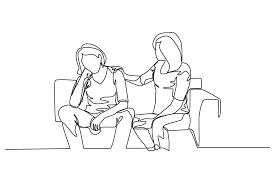
    This is why many women struggle to say “no,” fearing they might hurt someone’s feelings or be judged as selfish. But the truth is, setting boundaries is not selfish—it is essential for your mental and emotional well-being. It’s a form of self-respect that teaches others how to treat you and saves your time and energy to be utilized in better areas of life.


    Why Women Struggle with Boundaries

    For many women, the word “boundary” may feel uncomfortable or even guilt-inducing. There are several reasons behind this:

    Societal Stigma and Expectations

    Since birth, women are often taught to put others first. Society glorifies women who act selflessly and make them feel guilty whenever they try to prioritize their own needs.

    Fear of Judgment or Conflict

    Saying “no” can sometimes trigger negative reactions, making women feel judged as selfish or difficult. To maintain peace, harmony, and a positive image, many women avoid setting boundaries—at their own expense.

    Emotional Responsibility

    Women are often expected to manage the emotions and pressures of those around them—partners, family members, or colleagues. When a woman says “no” or limits herself, she’s often seen as disrespectful or letting someone down.

    Fear of Losing Relationships

    Boundaries are often misunderstood as something that damages relationships—whether friendships, romantic partnerships, or work dynamics. However, in reality, healthy boundaries strengthen connections rather than weaken them.


    The Need for Boundaries

    Recognizing the need for boundaries is the first step toward positive change. Certain signs can help you realize that you need to start setting healthy limits:

    • You feel emotionally drained or resentful after helping others.
    • You say “yes” automatically, even when you don’t want to.
    • You feel guilty for taking time for yourself.
    • You feel overwhelmed by constant demands from people around you.
    • You struggle to prioritize your own goals and desires.
    • You sense resentment building up in your relationships.
    • You feel like your personal privacy and space are being invaded.

    What Are Healthy Boundaries?

    Boundaries are limits you set to protect your physical, emotional, and mental well-being. They help you clearly communicate what is acceptable and what is not for you personally.

    They can be of different types:

    • Physical Boundaries: Relating to your personal space, privacy, and physical limits.
    • Emotional Boundaries: Protecting your feelings from emotional exhaustion, criticism, or manipulation.
    • Time-Based Boundaries: Managing your time effectively to ensure balance between work, rest, and personal priorities.
    • Mental Boundaries: Guarding yourself against negativity, pressure, or the influence of others’ opinions.

    Healthy boundaries allow you to live authentically without sacrificing your needs for others.


    Why Setting Boundaries Feels Guilty

    Boundaries are often misunderstood as acts of selfishness. Saying “no” or asking for space can trigger guilt because of:

    • The fear of hurting others’ feelings.
    • Deep-rooted cultural and societal conditioning.

    However, boundaries are a healthy necessity—not a moral failing. When communicated respectfully, they protect your well-being and foster mutual respect.


    Steps to Set Boundaries Without Feeling Guilty

    1. Identify what drains your emotional, mental, and physical energy.
    2. Communicate clearly, not aggressively.
    3. Express your needs assertively using clear and calm language.
    4. Avoid over-explaining or apologizing.
    5. Use “I” statements to focus on your own needs instead of blaming others.
    6. Practice saying “no” and remind yourself it’s an act of self-care.
    7. Set consequences if necessary when boundaries are repeatedly crossed.
    8. Accept initial discomfort—it’s part of the process.
    9. Surround yourself with positive and supportive people.
    10. Prioritize self-care through activities that recharge you.
    11. Reflect and adjust your boundaries as needed.

    Benefits of Setting Boundaries

    • Reduced stress and burnout
    • Enhanced self-esteem and confidence
    • Stronger, more respectful relationships
    • Clearer priorities
    • Greater emotional freedom

    Practical Examples of Boundaries

    At the Workplace:

    • Declining extra tasks that interfere with personal time
    • Setting limits on after-hours work or communication

    In Family Life:

    • Scheduling personal downtime without guilt
    • Saying no to repetitive or draining requests

    In Friendships:

    • Avoiding negative or energy-draining conversations
    • Respecting and maintaining personal space

    In Romantic Relationships:

    • Expressing when you need alone time
    • Asking for mutual respect and emotional support in decisions

    Conclusion

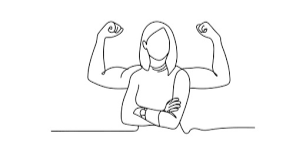
    Setting boundaries without feeling guilty is a powerful act of self-respect and self-care. Boundaries are not selfish—they are essential for living a balanced, fulfilled, and authentic life.

    When you learn to say “no” respectfully and prioritize your needs, you gain:

    • Confidence in yourself
    • Healthier, more meaningful relationships
    • Clearer life priorities
    • Emotional peace and freedom
  • महिलाओं के लिए आत्म-संदेह और इम्पोस्टर सिंड्रोम को कैसे दूर करें

    Imposter Syndrome AG.OG..SunoG...

    परिचय

    आत्म-संदेह और इम्पोस्टर सिंड्रोम क्या हैं?

    आत्म-संदेह का मतलब है अपने आप और अपनी क्षमताओं पर भरोसा न होना।

    वहीं, इम्पोस्टर सिंड्रोम एक मानसिक स्थिति है जिसमें व्यक्ति अपनी उपलब्धियों पर शक करता है और यह डर रहता है कि लोग उसे “धोखेबाज” समझ लेंगे।

    हर किसी को जीवन में कभी न कभी आत्म-संदेह या इम्पोस्टर सिंड्रोम का अनुभव होता है — जैसे कोई बड़ा निर्णय लेने से पहले, करियर बदलते समय या नए काम का सामना करते समय। लेकिन अगर यह लगातार बना रहे, तो यह आपकी पूरी क्षमता तक पहुँचने में बाधा बन सकता है।


    हम आत्म-संदेह क्यों महसूस करते हैं?

    अतीत के अनुभव अक्सर आत्म-संदेह का मुख्य कारण होते हैं।
    अन्य सामान्य कारण हैं: असफलता का डर, सामाजिक दबाव, पूर्णतावाद और दूसरों से तुलना

    महिलाओं में आत्म-संदेह को प्रभावित करने वाले प्रमुख कारक:

    • सामाजिक दबाव: असंभव मानकों को पूरा करने की उम्मीद।
    • सफलता पाने में देर या कठिनाई।
    • लीडरशिप या पुरुष-प्रधान क्षेत्रों में प्रतिनिधित्व की कमी।
    • अनुभव या ज्ञान के बिना परफेक्शन की चाह।
    • पालन-पोषण: जहाँ आत्मविश्वास बढ़ाने के बजाय विनम्रता सिखाई जाती है।
    • नकारात्मक अनुभव: आलोचना या नजरअंदाज किया जाना।
    • सांस्कृतिक सोच: महिलाओं को अक्सर विनम्र और शालीन रहने के लिए सिखाया जाता है।
    • कार्यस्थल की परिस्थितियाँ: मार्गदर्शन और प्रतिनिधित्व की कमी।

    आत्म-संदेह और इम्पोस्टर सिंड्रोम के सामान्य लक्षण

    • अपने फैसलों पर बार-बार शक करना।
    • अपने विचार या राय साझा करने में हिचकिचाना।
    • अपनी उपलब्धियों को कम आंकना।
    • गलतियों या असफलताओं पर बहुत अधिक सोच विचार करना।
    • तारीफ़ मिलने पर घबराना।
    • अपनी सफलता को किस्मत से जोड़कर देखना।
    • अपनी क्षमता साबित करने के लिए अधिक मेहनत करना।
    • नए अवसरों से डर के कारण बचना।

    आत्म-संदेह आपको कैसे रोकता है

    • डर के कारण नए अवसरों से दूर रहना।
    • अपनी क्षमताओं को कम आंकना।
    • दूसरों की मंजूरी या स्वीकृति पर निर्भर रहना।
    • अपने भीतर फंसा हुआ महसूस करना।
    • लगातार दूसरों से तुलना करना।

    महिलाओं में यह अधिक क्यों होता है

    शोध में पाया गया है कि महिलाएं — खासकर पुरुष-प्रधान उद्योगों या लीडरशिप भूमिकाओं में काम करने वाली — अक्सर इम्पोस्टर सिंड्रोम महसूस करती हैं।
    सांस्कृतिक अपेक्षाएँ, आदर्शों की कमी और सामाजिक रूढ़िवाद इसे बढ़ाते हैं।


    आत्म-संदेह और इम्पोस्टर सिंड्रोम को दूर करने के उपाय

    1. जड़ कारण पहचानें

    पूछें: मैं इस तरह क्यों महसूस कर रही हूँ? यह सोच कहाँ से आई?
    याद रखें — कोई भी आपको आपसे बेहतर नहीं जानता। कारण समझकर आप इसे चुनौती दे सकती हैं।

    2. नकारात्मक विचार बदलें

    अपने मन में सकारात्मक और प्रेरक विचार डालें। जब भी आप सोचें “मैं नहीं कर सकती”, इसे बदलकर कहें “मैं सीख रही हूँ और सुधार रही हूँ”

    3. खुद की तुलना दूसरों से न करें

    अपनी प्रगति पर ध्यान दें। याद रखें, हर पौधा अपनी समय पर खिलता है — और आप भी।

    4. अपनी ताकत को स्वीकारें

    आपके पास अद्वितीय क्षमताएँ हैं। अपनी उपलब्धियों और क्षमताओं की सूची बनाएं — यह आपको याद दिलाएगा कि आप सक्षम हैं।

    5. छोटे कदम उठाएँ

    आत्मविश्वास धीरे-धीरे कार्यों से बढ़ता है। छोटे लक्ष्य तय करें और उन्हें हासिल करें। कैइज़ेन तकनीक अपनाएँ: धीरे-धीरे, स्थिर प्रगति।

    6. सकारात्मक लोगों के साथ रहें

    उन लोगों के साथ रहें जो आपको प्रेरित करें और प्रोत्साहित करें।

    7. आत्म-करुणा अपनाएँ

    खुद के साथ दोस्त की तरह व्यवहार करें — धैर्य और समझदारी के साथ।
    गलतियाँ आपकी योग्यता को परिभाषित नहीं करतीं।

    8. अपनी उपलब्धियों का जश्न मनाएँ

    अपनी सफलता को कम न आंकें। तारीफ़ मिलने पर “धन्यवाद” कहें, “कुछ नहीं” नहीं। गर्व के साथ अपनी उपलब्धियों को अपनाएँ।


    निष्कर्ष

    आत्म-संदेह और इम्पोस्टर सिंड्रोम आपकी योग्यता को नहीं परिभाषित करते। ये केवल मानसिक बाधाएँ हैं।
    हर आत्मविश्वासी महिला ने इन्हें अनुभव किया है। फर्क यह है कि उसने इन्हें अपनी प्रगति में बाधा नहीं बनने दिया।

    जब आप खुद पर विश्वास करना शुरू करती हैं — चाहे थोड़ा ही क्यों न — आप आत्मविश्वास, विकास और सफलता की दिशा में पहला कदम उठाती हैं।
    याद रखें: आप सक्षम, योग्य और अद्वितीय हैं।

  • Overcoming Self-Doubt and Imposter Syndrome for Women

    Overcoming Self-Doubt and Imposter Syndrome for Women


    Introduction

    What do we mean by self-doubt and what is imposter syndrome?

    Self-doubt simply means a lack of confidence in yourself and your abilities.

    On the other hand, Imposter Syndrome is a psychological pattern where individuals doubt their accomplishments and have a persistent fear of being exposed as a “fraud.”

    Everyone experiences self-doubt or imposter syndrome at some point in life — maybe before taking a big decision, during a career change, or while facing something new. But when it becomes constant, it can hold you back from reaching your true potential.


    Why Do We Feel Self-Doubt?

    Our past experiences often play a major role in developing self-doubt. Other common reasons include fear of failure, peer pressure, perfectionism, and comparison to others.

    For women, self-doubt is often influenced by:

    • Societal pressure to meet unrealistic standards.
    • Struggling to achieve success quickly.
    • Gender bias or lack of representation in leadership roles.
    • Seeking perfection too early without proper knowledge or experience.
    • Upbringing that encourages modesty and discourages confidence.
    • Negative experiences, such as being criticized or overlooked.
    • Cultural conditioning: Women are often taught to be humble and not “brag.”
    • Workplace dynamics: Lack of mentorship and representation can reinforce doubt.

    Common Signs of Self-Doubt or Imposter Syndrome

    • You second-guess your decisions.
    • You hesitate to share your opinions or ideas.
    • You downplay your achievements.
    • You overthink mistakes or failures.
    • You feel anxious when praised or recognized.
    • You feel your success is due to luck rather than skill.
    • You overwork to “prove” yourself.
    • You avoid new opportunities out of fear of failure.

    How Self-Doubt Holds You Back

    • You avoid new opportunities due to fear.
    • You underestimate your own abilities.
    • You seek validation and approval from others.
    • You feel stuck, even when you’re capable of more.
    • You constantly compare yourself to others.

    Why Women Often Experience It More

    Research shows that women — especially those working in male-dominated industries or leadership roles — are more likely to experience imposter syndrome.
    Cultural expectations, lack of role models, and societal stereotypes all contribute to this pattern.


    Ways to Overcome Self-Doubt and Imposter Syndrome

    1. Identify the Root Cause

    Ask yourself: When did I start feeling this way? What made me think like this?
    Remember — no one knows you better than you do. Understanding the root of your doubt helps you challenge and overcome it.

    2. Replace Negative Thoughts

    Train your mind to focus on growth. Whenever you think “I can’t,” replace it with “I’m learning and improving.”
    Your mindset directly shapes your confidence.

    3. Stop Comparing Yourself

    Focus on your personal progress — not someone else’s journey.
    Remember, every plant blooms in its own season — and so will you.

    4. Acknowledge Your Strengths

    The universe has blessed you with unique talents.
    List your achievements and skills — they remind you how capable and deserving you truly are.

    5. Take Small Steps Forward

    Confidence grows through consistent action.
    Start with small goals — each win will strengthen your belief in yourself.
    Remember the Japanese Kaizen technique: steady progress, one step at a time.

    6. Surround Yourself With Supportive People

    Stay connected with those who inspire and uplift you.
    Positive company helps silence the voice of doubt.

    7. Practice Self-Compassion

    Be gentle with yourself. Treat yourself like a friend — with kindness, patience, and understanding.
    Mistakes don’t define you; they teach you.

    8. Celebrate Your Achievements

    Don’t minimize your success. When someone compliments you, say “thank you” — not “it was nothing.”
    Own your accomplishments with pride!


    Conclusion

    Self-doubt and imposter syndrome do not define your worth — they are just mental barriers you can overcome.
    Every confident woman you admire has faced them too. The only difference? She chose not to let them stop her.

    When you believe in yourself — even a little — you take the first step toward confidence, growth, and success.
    Remember: you are capable, deserving, and unique. The Almighty has blessed you with your own strengths — embrace them fully.

  • अपने 20s में आत्मविश्वास कैसे बढ़ाएँ

    अपने 20s में आत्मविश्वास कैसे बढ़ाएँ

    युवतियों के लिए आत्मविश्वास बढ़ाने के टिप्स (20s में)

    आपके 20s जीवन का वह दौर है जो नई संभावनाओं, अनुभवों और चुनौतियों से भरा होता है। यह वह समय होता है जब आप खुद को खोजती हैं, अपनी पहचान बनाती हैं और आत्मविश्वास से अपने जीवन को दिशा देती हैं।
    आत्मविश्वास कोई जन्मजात गुण नहीं है — यह निरंतर प्रयास, आत्म-जागरूकता और स्वस्थ आदतों से विकसित होता है।

    यहाँ कुछ आसान और व्यावहारिक तरीके दिए गए हैं जो 20s में युवतियों को आत्मविश्वास बढ़ाने में मदद करेंगे 👇


    1. अपनी विशिष्टता को अपनाएँ

    दूसरों से अपनी तुलना करना बंद करें। हर व्यक्ति की जीवन यात्रा अलग होती है — आपकी भी। खुद को दूसरों के मानकों से मत आँकें। आपकी अनोखी पहचान ही आपकी सबसे बड़ी ताकत है।

    💡 टिप: अपनी उपलब्धियों और खूबियों को लिखने के लिए एक डायरी रखें। जब भी आत्म-संदेह महसूस हो, उसे पढ़ें।


    2. आत्म-देखभाल को प्राथमिकता दें

    शारीरिक, मानसिक और भावनात्मक स्वास्थ्य आत्मविश्वास की नींव हैं। योग, ध्यान, व्यायाम, संतुलित आहार, अच्छी नींद और माइंडफुलनेस जैसी आदतें आपको मजबूत और संतुष्ट महसूस कराती हैं।

    💡 टिप: हर दिन कम से कम 30 मिनट अपने मन, शरीर या आत्मा को पोषित करने वाली किसी गतिविधि में लगाएँ।


    3. सकारात्मक आत्म-वार्ता करें

    आप अपने मन से जो बातें करती हैं, वही आपकी वास्तविकता बन जाती है। खुद की आलोचना करने की बजाय सकारात्मक वाक्यों का प्रयोग करें।

    💬 उदाहरण: “मैं पर्याप्त नहीं हूँ” की जगह कहें — “मैं हर दिन बेहतर बन रही हूँ।”


    4. नई चीज़ें सीखें

    सीखने की इच्छा आपको आत्मविश्वास देती है। जब आप कोई नया कौशल सीखती हैं, तो आपके भीतर “मैं कर सकती हूँ” वाला विश्वास और मजबूत होता है।

    💡 टिप: ऑनलाइन कोर्स करें, हॉबी ग्रुप्स से जुड़ें, या वॉलंटियर करें। हर नया अनुभव आत्म-विश्वास बढ़ाता है।


    5. सकारात्मक लोगों के साथ रहें

    आपके आस-पास के लोग आपकी सोच और आत्मविश्वास को प्रभावित करते हैं। ऐसे लोगों से जुड़ें जो प्रेरित करें और आपका हौसला बढ़ाएँ।

    💡 टिप: नकारात्मक या आलोचनात्मक लोगों से दूरी बनाएँ — वे आपकी ऊर्जा को कमजोर कर सकते हैं।


    6. असफलताओं से सीखें

    गलतियाँ जीवन का हिस्सा हैं। असफलता से डरने की बजाय उसे सीखने का अवसर मानें। हर चुनौती आपको और मजबूत बनाती है।

    💡 टिप: देखें कि क्या गलत हुआ और अगली बार क्या सुधार किया जा सकता है। याद रखें, जीवन या तो सिखाता है या सफलता देता है।


    7. यथार्थवादी लक्ष्य तय करें

    बड़े लक्ष्यों को छोटे-छोटे चरणों में बाँटें। हर छोटा कदम आपकी प्रगति दिखाता है और आत्मविश्वास बढ़ाता है।

    💬 उदाहरण: अगर आपका लक्ष्य करियर में आगे बढ़ना है, तो पहले कोई नया कोर्स करें या नेटवर्किंग शुरू करें।


    8. “ना” कहना सीखें

    हर बात पर “हाँ” कहना आपकी ऊर्जा खत्म कर सकता है। सीमाएँ तय करना आत्म-सम्मान का संकेत है।

    💡 टिप: विनम्रता से लेकिन दृढ़ता के साथ “ना” कहना अभ्यास में लाएँ।


    9. आभार व्यक्त करें

    जो कुछ आपके पास है, उस पर ध्यान केंद्रित करने से मन सकारात्मक रहता है। कृतज्ञता आपको आत्म-विश्वास और शांति देती है।

    💡 टिप: हर दिन अपनी डायरी में तीन ऐसी बातें लिखें जिनके लिए आप आभारी हैं।


    10. छोटे जोखिम उठाएँ

    कंफर्ट ज़ोन से बाहर निकलना ही आत्मविश्वास का असली परीक्षण है। हर छोटा कदम यह साबित करता है कि आप सक्षम हैं।

    💡 टिप: शुरुआत छोटे-छोटे बदलावों से करें। लेकिन ऐसे जोखिम न लें जो आपको शारीरिक या मानसिक रूप से नुकसान पहुँचाएँ।


    अंतिम विचार

    20s में आत्मविश्वास बनाना एक यात्रा है, मंज़िल नहीं। अपनी विशिष्टता को अपनाएँ, गलतियों से सीखें और खुद में निरंतर निवेश करें।
    समय, धैर्य और अभ्यास से आप आत्मविश्वासी, मजबूत और प्रेरणादायक बन जाएँगी।

    याद रखें: सकारात्मक आदतें आपको आगे बढ़ाती हैं, जबकि नकारात्मक आदतें केवल दिखावटी आत्मविश्वास देती हैं।

  • How to build self-confidence in your 20s

    How to build self-confidence in your 20s

    Self-Confidence Tips for Young Women in Their 20s

    Your 20s are a transformative decade full of new experiences, opportunities, and challenges. It’s the time to explore, discover yourself, and build your personal and professional confidence. Self-confidence isn’t something you’re born with—it’s cultivated through consistent effort, self-awareness, and healthy habits.

    Here are some practical tips to help young women grow their self-confidence in their 20s:


    1. Embrace Your Individuality

    Don’t judge yourself based on what others think. Every person is unique, with a different life journey—including you. Comparing yourself to others is a major confidence killer. Instead, celebrate your unique qualities—your individuality is your greatest strength.

    Tip: Keep a journal of your strengths and achievements, no matter how small. Refer to it whenever self-doubt creeps in.


    2. Prioritize Self-Care

    Physical, mental, and emotional health are the foundation of confidence. Healthy habits like yoga, meditation, exercise, balanced nutrition, quality sleep, and mindfulness practices make you feel capable, strong, and fulfilled.

    Tip: Dedicate at least 30 minutes a day to an activity that nurtures your mind, body, or soul—done intentionally and with purpose.


    3. Practice Positive Self-Talk

    Your inner dialogue shapes your reality. Replace self-criticism with positive affirmations to reinforce your self-worth and confidence.

    Example: Swap “I’m not good enough” with “I’m learning and improving every day.”


    4. Learn New Skills

    Being ready and willing to learn keeps you grounded and adaptable. Confidence comes from competence—each new skill you master strengthens your sense of capability.

    Tip: Take online courses, join hobby groups, volunteer, or participate in social gatherings that push you slightly outside your comfort zone. Every step forward builds resilience and self-assurance.


    5. Surround Yourself with Positive People

    The people around you influence how you feel about yourself. Choose friends, mentors, and colleagues who inspire, motivate, and encourage you. Positive energy is contagious and reinforces self-belief.

    Tip: Limit time with toxic or overly critical individuals—they can drain your confidence.


    6. Accept Failures as Lessons

    Mistakes are part of growth. Rather than letting failure shake your confidence, view it as an opportunity to learn. Each challenge you overcome strengthens your self-belief and resilience.

    Tip: Analyze what went wrong and how to improve next time. Remember, life offers experiences to either learn from or earn from.


    7. Set Realistic Goals

    Confidence grows when you see progress. Break big ambitions into smaller, achievable steps. Every small win boosts self-belief and motivates you to aim higher.

    Example: If your goal is career advancement, start by completing a skill-building course or networking once a week.


    8. Learn to Say No

    Saying yes to everything drains energy and can hurt your self-esteem. Setting boundaries shows self-respect and helps you focus on what truly matters.

    Tip: Practice polite but firm ways to say “no” to requests that don’t align with your priorities.


    9. Practice Gratitude

    Focusing on what’s going well shifts your mindset from scarcity to abundance. Gratitude reinforces confidence and helps you appreciate your progress.

    Tip: Keep a daily journal and write down three things you’re grateful for each day.


    10. Take Small Risks

    Stepping out of your comfort zone builds confidence. Each calculated risk—whether expressing your opinion or trying something new—proves you’re capable.

    Tip: Start with small challenges and gradually take on bigger ones. Avoid situations that could harm you physically, emotionally, or mentally.


    Final Thoughts

    Building self-confidence in your 20s is a journey, not a destination. Embrace your individuality, learn from mistakes, and invest consistently in yourself. With patience, self-awareness, and practice, you’ll emerge stronger, resilient, and ready to face life’s opportunities with assurance.

    Positive habits help you grow in the long term, while negative habits may seem “cool” but rarely build true confidence.

  • महिलाओं का भावनात्मक और शारीरिक स्वास्थ्य

    महिलाओं का भावनात्मक और शारीरिक स्वास्थ्य

    परिचय (Introduction)

    स्वास्थ्य केवल फिटनेस, पोषण या नियमित जांच तक सीमित नहीं है। यह शब्दों से परे एक गहरी भावना है — जो हमारे भावनात्मक स्वास्थ्य (Emotional Health) से जुड़ी होती है।
    जहाँ शारीरिक स्वास्थ्य हमारे शरीर की कार्यक्षमता को प्रभावित करता है, वहीं भावनात्मक स्वास्थ्य हमारे विचारों, आंतरिक शांति और जीवन की चुनौतियों से निपटने की क्षमता को आकार देता है।
    मानसिक, शारीरिक और भावनात्मक स्वास्थ्य — ये तीनों अलग-अलग होते हुए भी एक-दूसरे से गहराई से जुड़े हुए हैं।


    महिलाओं में भावनात्मक स्वास्थ्य क्या है? (What Is Emotional Health in Women)

    महिलाओं का भावनात्मक स्वास्थ्य उनकी क्षमता को दर्शाता है कि वे अपनी भावनाओं को कैसे समझती और नियंत्रित करती हैं।
    यह अपने विचारों को स्वस्थ रूप में व्यक्त करना, तनाव, अपराधबोध, चिंता और आत्म-संदेह को सही ढंग से संभालना और आत्मविश्वास के साथ जीवन जीना सिखाता है।
    यह अच्छे संबंध बनाए रखने, परिवार, मित्रों और कार्यस्थल में संतुलन स्थापित करने और समाज में आत्मविश्वास के साथ खड़े रहने की क्षमता भी शामिल करता है।


    यह क्यों जरूरी है? (Why It Matters)

    अच्छा भावनात्मक स्वास्थ्य महिलाओं को व्यक्तिगत, सामाजिक और व्यावसायिक दबावों के बीच संतुलन बनाए रखने में मदद करता है।
    यह आत्म-सम्मान बढ़ाता है और रिश्तों को मजबूत बनाता है।


    महिलाओं के भावनात्मक स्वास्थ्य के प्रमुख घटक (Key Components of Emotional Health for Women)

    • स्व-जागरूकता (Self-Awareness): अपनी भावनाओं और प्रतिक्रियाओं को समझना।
    • स्व-स्वीकार्यता (Self-Acceptance): अपनी खूबियों और कमियों को स्वीकारना।
    • स्व-दया (Self-Compassion): स्वयं के प्रति दयालु रहना।
    • लचीलापन (Resilience): चुनौतियों का सामना कर पुनः संतुलित होना।

    वे कारण जो भावनात्मक स्वास्थ्य को प्रभावित करते हैं (Factors That Can Impact Emotional Health)

    • हार्मोनल बदलाव
    • सामाजिक अपेक्षाएँ
    • घर और काम दोनों की जिम्मेदारियाँ (Multitasking)
    • निरंतर तनाव और भावनात्मक बोझ

    इन कारणों से महिलाएँ अक्सर भावनात्मक थकान और बर्नआउट का सामना करती हैं।


    भावनात्मक स्वास्थ्य को बेहतर कैसे बनाएं (How To Support Emotional Health)

    • स्वयं की देखभाल करें (Self-Care): आराम, नींद और आत्म-समय को प्राथमिकता दें।
    • मजबूत रिश्ते बनाएँ: परिवार, दोस्तों और सहयोगियों से जुड़ाव बनाए रखें।
    • पेशेवर मदद लें: जरूरत होने पर काउंसलर या थेरेपिस्ट से सलाह लें।

    महिलाओं का शारीरिक स्वास्थ्य (Understanding Physical Health for Women)

    शारीरिक स्वास्थ्य का अर्थ है शरीर की कार्यक्षमता और उसकी ऊर्जा का स्तर।
    इसमें संतुलित आहार, नियमित व्यायाम, पर्याप्त नींद और कामकाजी जीवन का संतुलन शामिल है।
    कुछ बातें हमारे नियंत्रण में होती हैं — जैसे खानपान और दिनचर्या — इन्हें सुधारकर स्वास्थ्य बेहतर बनाया जा सकता है।


    शारीरिक स्वास्थ्य का महत्व (Why It Matters)

    शारीरिक स्वास्थ्य हमें जीवन की चुनौतियों को संभालने की शक्ति और सहनशक्ति देता है।
    यह हमारे मूड और सोचने की क्षमता पर भी असर डालता है — जैसे कि नियमित व्यायाम एंडोर्फिन बढ़ाकर चिंता कम करता है और मूड को सकारात्मक बनाता है।


    भावनात्मक और शारीरिक स्वास्थ्य का संबंध (How Emotional and Physical Health Are Connected)

    भावनात्मक और शारीरिक स्वास्थ्य एक-दूसरे से गहराई से जुड़े हुए हैं।
    जब मन तनावग्रस्त होता है, तो शरीर पर भी उसका असर दिखाई देता है — और जब शरीर स्वस्थ होता है, तो मन स्वतः शांत रहता है।

    • लगातार तनाव कॉर्टिसोल हार्मोन को बढ़ाता है, जिससे थकान और हार्मोनल असंतुलन होता है।
    • नियमित व्यायाम एंडोर्फिन छोड़ता है, जिससे मूड अच्छा होता है।
    • संतुलित आहार प्रतिरक्षा प्रणाली को मजबूत कर मूड को स्थिर रखता है।
    • अच्छी नींद भावनाओं को नियंत्रित रखने में मदद करती है।

    भावनात्मक और शारीरिक स्वास्थ्य में संतुलन के उपाय (Steps To Balance Emotional And Physical Health)

    • अच्छी नींद लें: यह मानसिक शांति और शारीरिक मरम्मत का पुल है।
    • गतिशील रहें: योग, सैर, नृत्य या हल्का व्यायाम तनाव घटाते हैं।
    • संतुलित आहार लें: यह ऊर्जा और मूड को स्थिर रखता है।
    • भावनाओं को व्यक्त करें: मन में न रखें, साझा करें या लिखें।
    • सीमाएँ तय करें: अपने समय और मानसिक शांति की रक्षा करें।
    • योग और ध्यान करें: ये मन और शरीर दोनों को जोड़ते हैं।

    निष्कर्ष (Conclusion)

    महिलाओं का भावनात्मक और शारीरिक स्वास्थ्य दो अलग बातें नहीं हैं — बल्कि एक ही सिक्के के दो पहलू हैं।
    जब मन स्थिर रहता है, शरीर ऊर्जावान महसूस करता है; और जब शरीर का ध्यान रखा जाता है, मन शांत और आत्मविश्वासी होता है।
    सच्ची वेलनेस वही है, जब दिल और दिमाग दोनों का समान पोषण किया जाए — तभी प्राप्त होती है सम्पूर्ण स्वास्थ्य और संतुलन।

  • Emotional Health vs. Physical Health in Women

    Physical Health Vs. Emotional Health AG.OG..SunoG...

    Introduction

    Health Isn’t Only About Fitness, Nutrition, Or Regular Checkups. It’s Much More Than What Words Can Say, Its Deeply Connected With The Emotional Well-Being. While The Physical Health Affects The Body Functioning, The Emotional Health Shapes And Describes The Thought Process, The Inner Peace And Ability To Cope Up With Challenges You Face In Day To Day Life. The Different But Inseperable States Of Mental, Physical And Emotional Well Being, Constantly Influence Each Other.


    What Is Emotional Health in Women?

    The Ability To Understand And Manage Her Emotions, Expressing Her Feelings In A Healthy Way, Manage Anxiety, Guilt, Self Doubt And Stress Properly While Keeping Her  Calm, Build Good And Healthy Relationships In Her Work Zone, Her Family And Friends, And In The Society And Beyond All Carry Herself Confidently In The Society Is What Describes The Emotional Health For A Women.


    Why It Matters:

    Good Emotional Health Helps Balance Overall Personal, Peer And Societal Pressures And Keeps Relationships And Self-Esteem


    Key Components Of Emotional Health For Women:

    • Self-Awareness – Understanding One’s Emotions And Triggers.
    • Self Acceptance – Embracing Strengths And Imperfections.
    • Self-Compassion – Treating Oneself With Kindness And Forgiveness.
    • Finally The Ability To Cope, Bounce Back And Manage Various Challenges Of Day To Day Life.


    Factors That Can Impact Emotional Health:

    Several Factors Can Influence Emotional Well-Being, Such As:

    • Hormonal Fluctuations

    • Societal Expectations

    • Multitasking Roles

    • Stress And Emotional Labor

    These Make Women More Prone To Burnout And Emotional Fatigue If Left Unaddressed.


    How To Support Emotional Health:

    • Prioritize Self-Care – Take Time To Rest, Relax, And Recharge.
    • Cultivate Strong Relationships With Friends, Family, And Other Caregivers.
    • Professional Help When Needed – Counseling Or Therapy Can Bring Lasting Clarity And Relief.


    Understanding Physical Health for Women

    Physical Health Basically Refers To The Overall Condition Of The Body And How Well The Body Performs. It Includes A Healthy And A Balanced Diet, Regular Exercise, Work Life Balance, Sufficient And Peaceful Rest And Sleep.

    Some Factors Are In Our Control While Some Go Out Of Hand. The Factors In Our Control Can Easily Be Managed.


    Why It Matters:

    The Strength And Stamina Needed To Manage Daily Life Is Decribed By The Physical Wellness. Directly And Indirectly It Impacts The Mood And Cognition — For Example, Regular Exercise Can Reduce Anxiety And Boost Endorphins.


    How Emotional And Physical Health Are Connected:

    It Goes In Like A Circle, Or You Can Say A Vicious Circle, Where Emotional And Physical Health Directly Affects Each Other.

    • Chronic Stress Counted On The Emotional Planes, Raises The Level Of A Hormone “Cortisol” Which Gives In A Constant Fatigue Leading To Weight Gain, And Hormonal Imbalance.
    • Regular Exercise That Is On The Physical Health Planes Releases Hormone Endorphins Which Help In Improving Mood And Reducing Anxiety.

    This Is Just A Small Example To Show How The Emotional And Mental Health Corelate. We Find Numerous Examples Like This. We Here See Another Example- 

    • Emotional Exhaustion Weakens The Immune System Which Can Be Corrected By Good Nutrition That Stabilizes The Mood And Energy Levels And Boosting Immunity.
    • Depression Can Be Devastating Reduce Motivation. Where An Adequate Sleep Improves Emotional Regulation.


    Steps To Balance Emotional And Physical Health:

    Rest And Recovery – Good Sleep Makes Up A Bridge Between Mental Calm And Physical Repair.

    Move With Intention – Yoga, Walks, Exercise Or Dancing Release Tension And Promote Emotional Clarity.

    Good Diet Elevates Mood And Energy.

    Express Emotions Freely – Talk, Write, Or Create — Don’t Suppress Feelings.

    Set Boundaries – Protect Your Time, Space And Emotional Energy.

    Mind-Body Practices – Like Yoga And Meditation Are Some Factors That Align Emotional And Physical Wellness.


    Conclusion:

    For Women, We Can Say The Emotional And The Physical Health Aren’t Two Separate Goals  They Are Just The Two Sides Of The Same Coin. The Circular Pattern Just Goes As When The Emotions Are Stable, The Body Feels Lighter And More Energetic. When The Body Is Cared For, The Mind Becomes Calmer And More Confident. Hereby We Can Say, When Heart And Mind Are Nutured Equally, That Is Counted As True Wellness Or Complete Wellbeing.