The Adolescent Journey: What Every Young Man Goes Through
Introduction
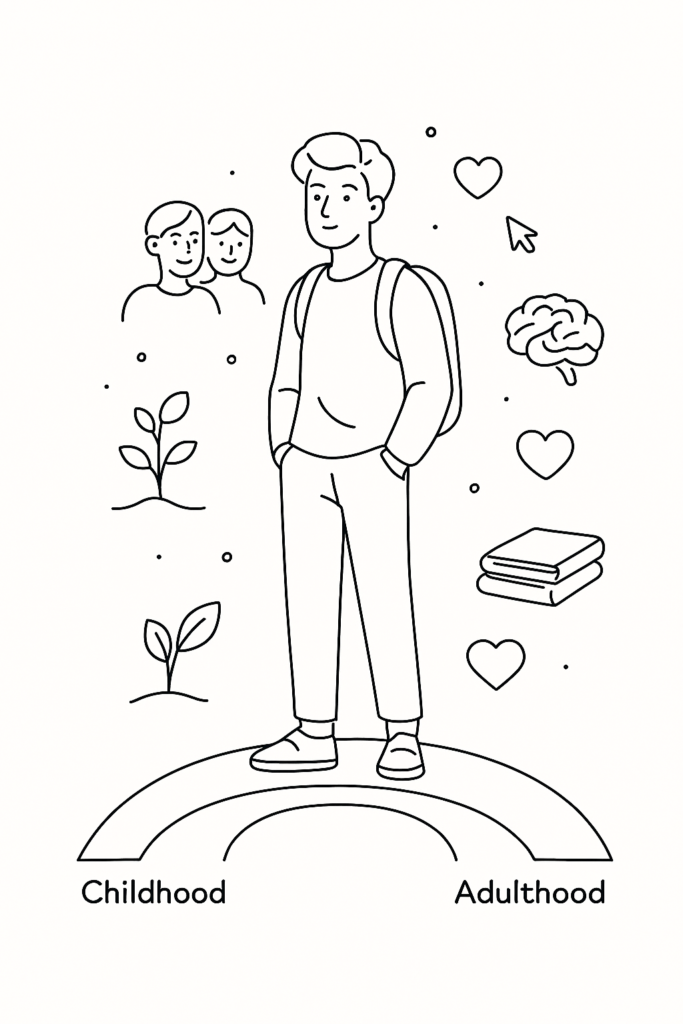
Adolescence is a remarkable and transformative chapter of life—an in-between stage that bridges childhood and adulthood, usually spanning from ages 11 to 18. It is a time when the body, mind, and emotions undergo a rapid series of shifts. Though everyone passes through this phase, understanding it—especially for boys—remains surprisingly difficult.
This period is full of contradictions: exciting yet confusing, empowering yet overwhelming. Below is a clear look at what young adolescent boys typically experience, the struggles they face, the milestones they cross, and the kind of support they need to thrive.
1. Physical Changes: The Visible and the Invisible
A young boy undergoes several noticeable and subtle physical transformations that set the foundation for adulthood.
a. Growth Spurts
Boys often experience a sudden increase in height and weight. Their body proportions change quickly, which may lead to self-consciousness or awkwardness as they adjust to their “new” body.
b. Hormonal Shifts
The surge in male hormones—especially testosterone—deepens the voice, increases muscle mass, and broadens the shoulders. These changes start shaping a more mature, masculine appearance.
c. Skin, Body Odour, and Hygiene Challenges
Acne, oily skin, and stronger body odour emerge during this phase. Since these changes are unfamiliar, many boys feel embarrassed or insecure, especially in the absence of proper hygiene guidance.
d. Rising Sexual Curiosity
With puberty comes curiosity about sexuality. Without healthy sex education, this curiosity may turn into confusion, guilt, or anxiety. Many boys turn to peers or the internet for answers, which often leads to misinformation and unrealistic expectations.
2. Emotional Turbulence and Identity Conflicts
From early childhood, boys are often conditioned to “be tough” and “not express feelings.” During adolescence, this emotional suppression meets hormonal changes, academic pressure, and social stress—creating internal conflicts.
Mood Swings & Emotional Strain
Adolescent boys often feel things intensely but may not know how to express or process those emotions. This leads to irritability, mood swings, or withdrawal.
Search for Identity
This is the stage when a boy starts asking, “Who am I?” He experiments with different versions of himself, tries to fit into certain groups, and begins forming personal beliefs.
The Freedom vs Responsibility Battle
While they crave independence, responsibility still feels intimidating. This tug-of-war often causes arguments, rebellion, or misunderstandings with adults.
3. Cognitive Growth: A Mental Upgrade
Alongside physical and emotional changes, the brain itself undergoes a significant upgrade.
Analytical Thinking Develops
Boys begin shifting from simple, concrete thinking to more abstract, analytical, and logical reasoning.
Impulse and Risk-Taking Increase
Despite smarter thinking, the part of the brain that controls decision-making is still developing. This combination creates a mix of intelligence and impulsiveness, which can lead to risk-taking behaviours.
Academic Pressures Intensify
Major career decisions often begin forming during this age. Poor support or mismanaged stress can lead to significant academic and emotional consequences.
4. Social Challenges and Peer Influence
Parents often tighten boundaries during adolescence, hoping to guide the child. But boys interpret this as interference, leading to conflicts.
The Power of Friend Groups
Friends suddenly become more influential than family. Boys feel secure among peers who are going through the same changes.
Comparison Culture Rises
Everything becomes a comparison—height, body shape, relationships, achievements, popularity. A boy’s self-worth often gets tied to how well he fits into his group.
Risk Behaviours and Group Pressure
To be accepted, boys may experiment with aggression, substances, or risky actions. No one wants to be “left out,” so peer pressure becomes a powerful force.
Social Media Intensifies It
Likes, comments, and online validation begin shaping self-esteem in unhealthy ways.
5. Search for Purpose and Self-Identity
Adolescence is a time when boys begin shaping personal values and beliefs.
Future Anxiety
Boys feel pressured by academic expectations, career choices, and societal demands.
Shaping Opinions and Belief Systems
Influenced by peers, trends, media, and rebellious thoughts, boys start forming their own opinions about relationships, society, freedom, and even life itself.
Self-Confidence vs Self-Doubt
With so many changes at once, confidence can fluctuate. Many boys struggle silently, feeling confused about who they should be.
6. Romantic Feelings and Emotional Attachment
Adolescence brings a shift in how boys perceive others—especially those they feel attracted to.
Infatuation and First Crushes
Romantic curiosity begins, and even minor feelings can seem intense or overwhelming.
Fear of Rejection
Even small heartbreaks feel devastating at this stage. Without emotional guidance, a boy may isolate himself or react with insecurity or anger.
Need for Healthy Relationship Education
This is the right age to teach boys about consent, respect, empathy, boundaries, communication, and responsible behaviour. These lessons shape future relationships.
7. Digital Influence and Online Exposure
In today’s world, digital life plays a huge role in shaping a boy’s personality.
Unrealistic Standards
Influencers and celebrities create false, glamorous images of success, relationships, and masculinity.
Premature Exposure
Kids often encounter adult content too soon, shaping unhealthy expectations around the opposite gender and relationships.
Impact on Daily Life
Excessive screen time disrupts sleep, focus, and academic performance—deepening anxiety and emotional instability.
8. The Importance of Support, Mentorship & Healthy Guidance
Adolescence lays the foundation for emotional stability, responsibility, and character.
A supportive environment can keep boys grounded and confident.
A Good Mentor Should:
- Listen Without Judgement
- Give Freedom With Clear Boundaries
- Teach That Expressing Feelings Is Strength, Not Weakness
- Encourage a Balanced Routine for Mental and Physical Health
- Be a Role Model—Because Actions Speak Louder Than Words
Conclusion
The adolescent journey of a young man is filled with complexity—confusion, excitement, challenges, and immense growth. It is a defining stage where he shapes his identity, values, and dreams. With the right guidance, emotional support, and understanding, these young men can step into adulthood with confidence, clarity, and emotional balance.
Leave a Reply